NASA’s Artemis II mission will carry an experiment called AVATAR (A Virtual Astronaut Tissue Analog Response) to study how human tissues respond to the harsh environment of deep space. This research aims to better understand the effects of space radiation and microgravity on the human body, paving the way for safer and more effective long-duration space missions.
The AVATAR Experiment
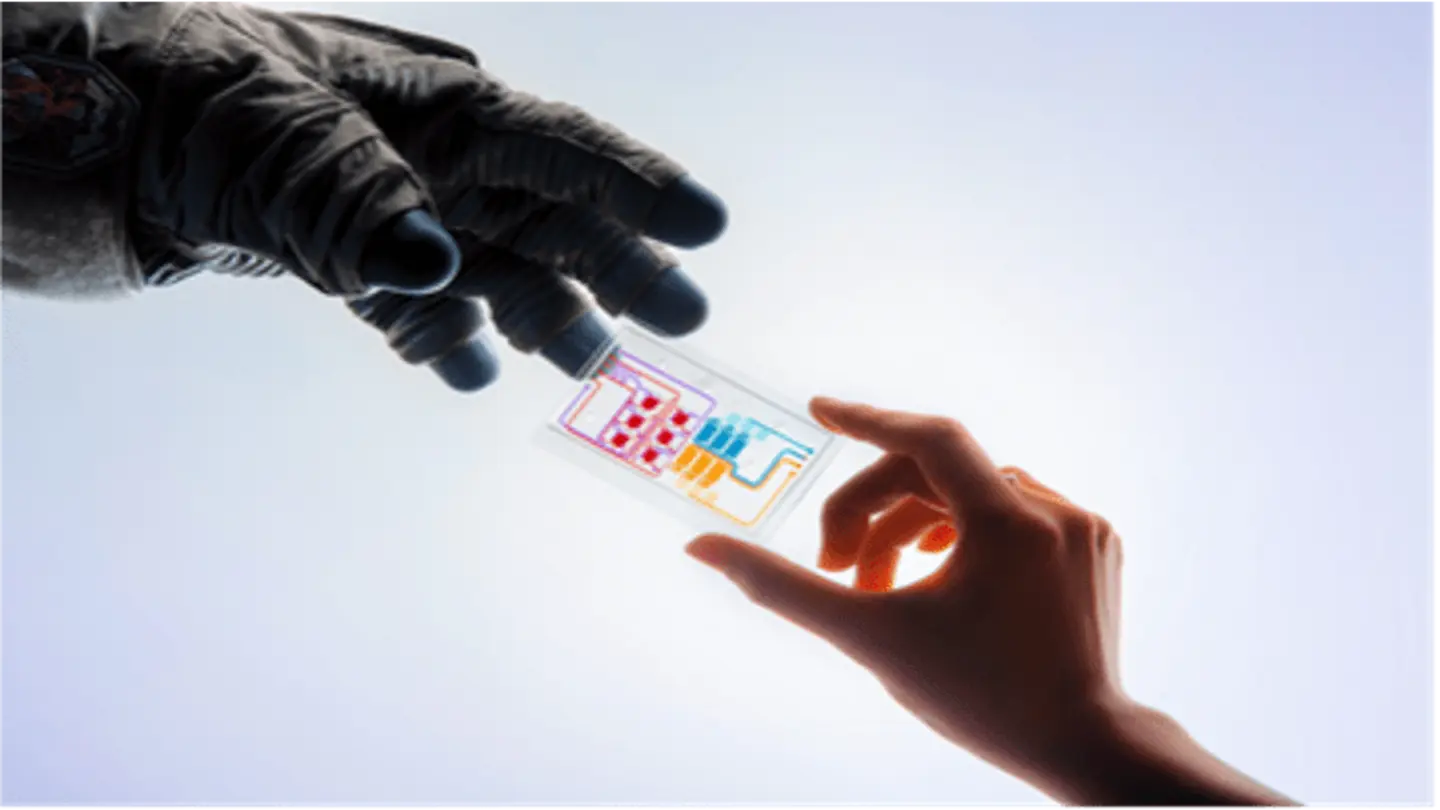
The AVATAR experiment utilizes tissue chips, which are small, three-dimensional models of human tissues that mimic the structure and function of organs. These chips will be exposed to the conditions of space, including radiation, microgravity, and other stressors. Scientists will then analyze the chips upon their return to Earth to determine how the tissues were affected. The data gathered from AVATAR will provide valuable insights into the molecular and cellular changes that occur in human tissues during spaceflight.
Specifically, the experiment will focus on bone marrow, blood vessels, and immune cells. These tissues are particularly vulnerable to the effects of space radiation and microgravity. By studying these tissues, researchers hope to identify potential countermeasures that can protect astronauts from the harmful effects of space travel.
The research will contribute to the development of strategies for mitigating the risks associated with long-duration missions to the Moon, Mars, and beyond. Understanding how human tissues react to spaceflight is crucial for ensuring the health and safety of astronauts on these ambitious endeavors.
Significance for Future Space Exploration
The AVATAR experiment is a critical step toward ensuring the well-being of astronauts on future missions. By simulating human tissue responses in a controlled environment, scientists can identify the most significant challenges and develop effective solutions. This research aligns with NASA’s commitment to prioritizing astronaut health and safety as it pushes the boundaries of space exploration.
The Artemis II mission is a crewed lunar flyby scheduled to launch in the coming years. It will be the first crewed mission to the Moon since Apollo 17 in 1972. The mission will serve as a crucial test for the technologies and procedures needed for future lunar landings. The data gathered from the Artemis II mission, including the AVATAR experiment, will be invaluable in preparing for these future missions.
The study of tissue response in space also holds potential benefits for terrestrial medicine. Understanding how cells react to stress and damage in space could lead to new treatments for diseases on Earth, such as cancer and osteoporosis. Thus, the AVATAR experiment has the potential to improve human health both in space and on Earth.
The AVATAR experiment represents a significant advancement in our understanding of the human body’s response to spaceflight. Its findings will inform the development of countermeasures to protect astronauts from the harmful effects of space travel and contribute to the success of future missions to the Moon and beyond.
Image Source: Google | Image Credit: Respective Owner