NASA is gearing up for its next giant leap back to the Moon with the Artemis 2 mission, now slated for an early 2026 launch. This ambitious endeavor will send a crew of astronauts on a journey around the Moon, marking a significant milestone in lunar exploration since the Apollo program.
The Artemis 2 mission is a critical precursor to landing humans on the Moon’s surface with the Artemis 3 mission. It will test crucial life support systems and technologies needed for deep space travel. The mission will see the crew embark on a circumlunar trajectory, venturing farther than any human has traveled in decades, pushing the boundaries of human spaceflight.
Mission Objectives and Crew
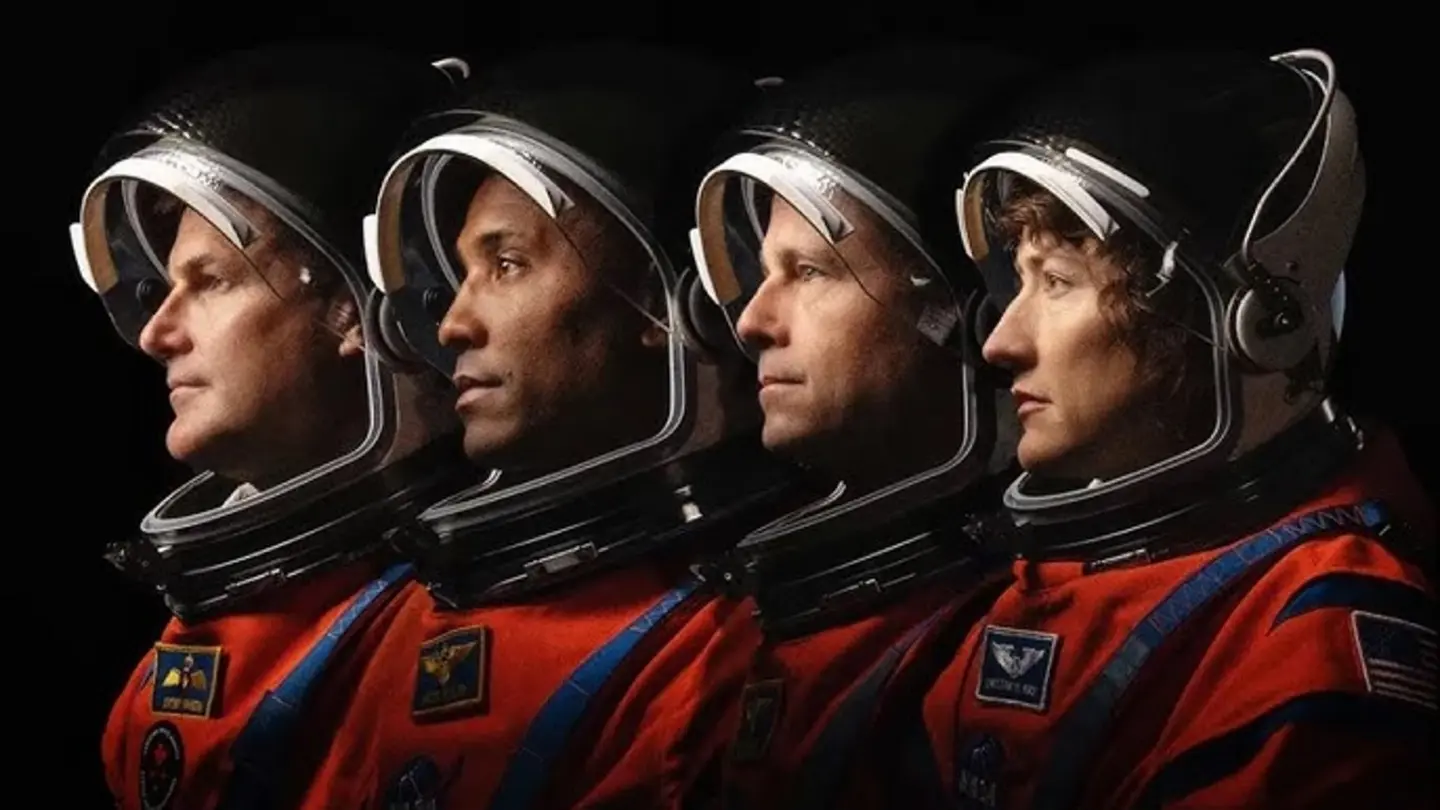
The Artemis 2 crew includes seasoned NASA astronauts Reid Wiseman, Victor Glover, and Christina Koch, along with Canadian Space Agency astronaut Jeremy Hansen. Their primary objective is to assess the performance of the Orion spacecraft and the Space Launch System (SLS) rocket in the harsh environment beyond Earth’s protective atmosphere. This includes evaluating the radiation shielding, communication systems, and overall functionality of the spacecraft during a multi-day mission.
The mission profile involves launching from the Kennedy Space Center in Florida, entering Earth orbit, and then firing the SLS upper stage to propel the Orion spacecraft towards the Moon. The spacecraft will then perform a gravity assist maneuver around the Moon before returning to Earth for a splashdown landing in the Pacific Ocean.
Technological Advancements
The Artemis program represents a significant advancement in space technology, leveraging modern engineering and materials to create a more sustainable and robust lunar exploration program. The SLS rocket is the most powerful rocket ever built, capable of lifting heavy payloads into deep space. The Orion spacecraft is designed to accommodate a crew of four and features advanced life support systems and avionics.
The data gathered from Artemis 2 will be invaluable for refining the designs and operational procedures for future lunar missions, including the establishment of a long-term human presence on the Moon. This mission is not just about revisiting the Moon; it’s about building a sustainable infrastructure for future exploration of the solar system.
The mission also aims to foster international collaboration. With participation from the Canadian Space Agency, the Artemis program underscores the global nature of space exploration and the importance of partnerships in achieving ambitious goals. As NASA and its partners continue to develop the necessary technologies and infrastructure, the world eagerly awaits the day when humans once again walk on the lunar surface.
Image Source: Google | Image Credit: Respective Owner