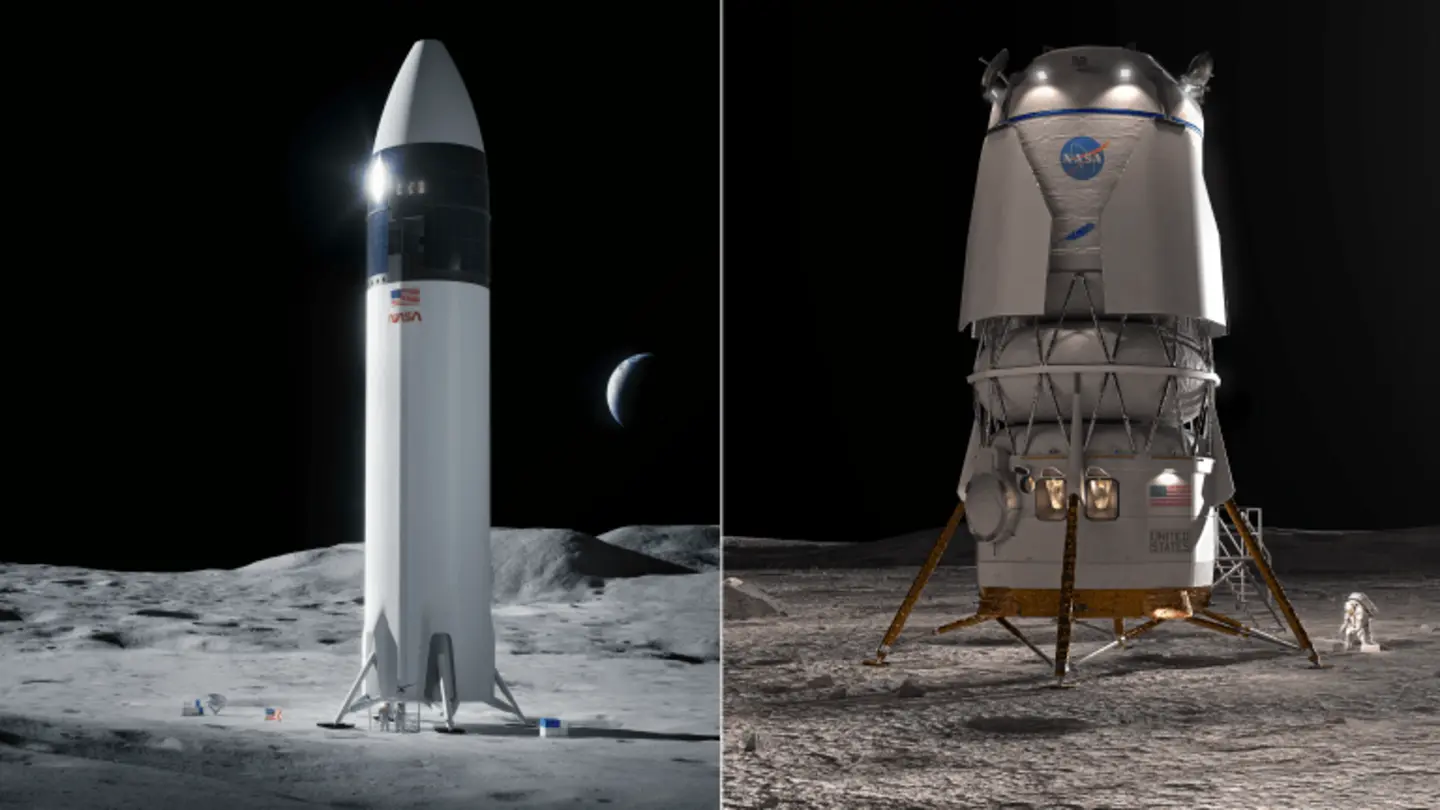
NASA is targeting February 2026 for its manned Moon mission, according to Al Jazeera. This ambitious endeavor, part of the Artemis program, seeks to return humans to the lunar surface for the first time since the Apollo missions ended in 1972. The Artemis program is a multi-phased approach, starting with uncrewed test flights and progressively moving towards crewed missions to the Moon and eventually Mars.
Artemis Program Goals
The primary goals of the Artemis program are to establish a sustainable presence on the Moon and to use the lunar environment as a testing ground for technologies and procedures that will be crucial for future missions to Mars. This includes developing advanced life support systems, improving robotic exploration capabilities, and understanding how to utilize lunar resources such as water ice for propellant and other necessities. The program also aims to foster international collaboration, with several countries contributing to various aspects of the mission.
The selection of February 2026 as the target date reflects the complex planning, technological development, and rigorous testing required for such a mission. NASA engineers and scientists are working diligently to ensure the safety and success of the mission. This involves extensive simulations, hardware testing, and meticulous attention to detail at every stage of the project.
Challenges and Preparations
Several challenges need to be overcome before the mission can proceed. These include ensuring the reliability of the new Space Launch System (SLS) rocket, the Orion spacecraft, and the various components and instruments that will be used during the lunar mission. NASA is also focused on addressing potential risks associated with the lunar environment, such as radiation exposure, extreme temperatures, and the potential for equipment malfunctions. To mitigate these risks, the agency is conducting thorough risk assessments and implementing robust safety protocols.
The program’s success hinges on collaboration with commercial partners, including SpaceX, which is developing the Starship lunar lander that will transport astronauts to the lunar surface. This partnership exemplifies the growing trend of public-private collaboration in space exploration, leveraging the expertise and resources of both government agencies and private companies. NASA is also working with international partners, such as the European Space Agency (ESA) and the Japan Aerospace Exploration Agency (JAXA), to develop key components of the Artemis program.
Future Implications
The return to the Moon is not merely a symbolic achievement, but a critical step towards expanding human presence in space and paving the way for future missions to Mars. By establishing a permanent base on the Moon, NASA and its partners can gain valuable experience in long-duration space missions and develop the technologies needed to support human life in deep space. This will not only advance our understanding of the universe but also inspire future generations of scientists, engineers, and explorers.
The upcoming mission will undoubtedly captivate the world and mark a significant milestone in human history. As the target date approaches, anticipation is building within the scientific community and among space enthusiasts worldwide. The meticulous planning and dedication of the teams involved underscore the commitment to pushing the boundaries of human exploration and achieving new heights in spacefaring endeavors. NASA’s commitment to transparency and public engagement ensures that the world will follow the Artemis program with great interest.
Image Source: Google | Image Credit: Respective Owner