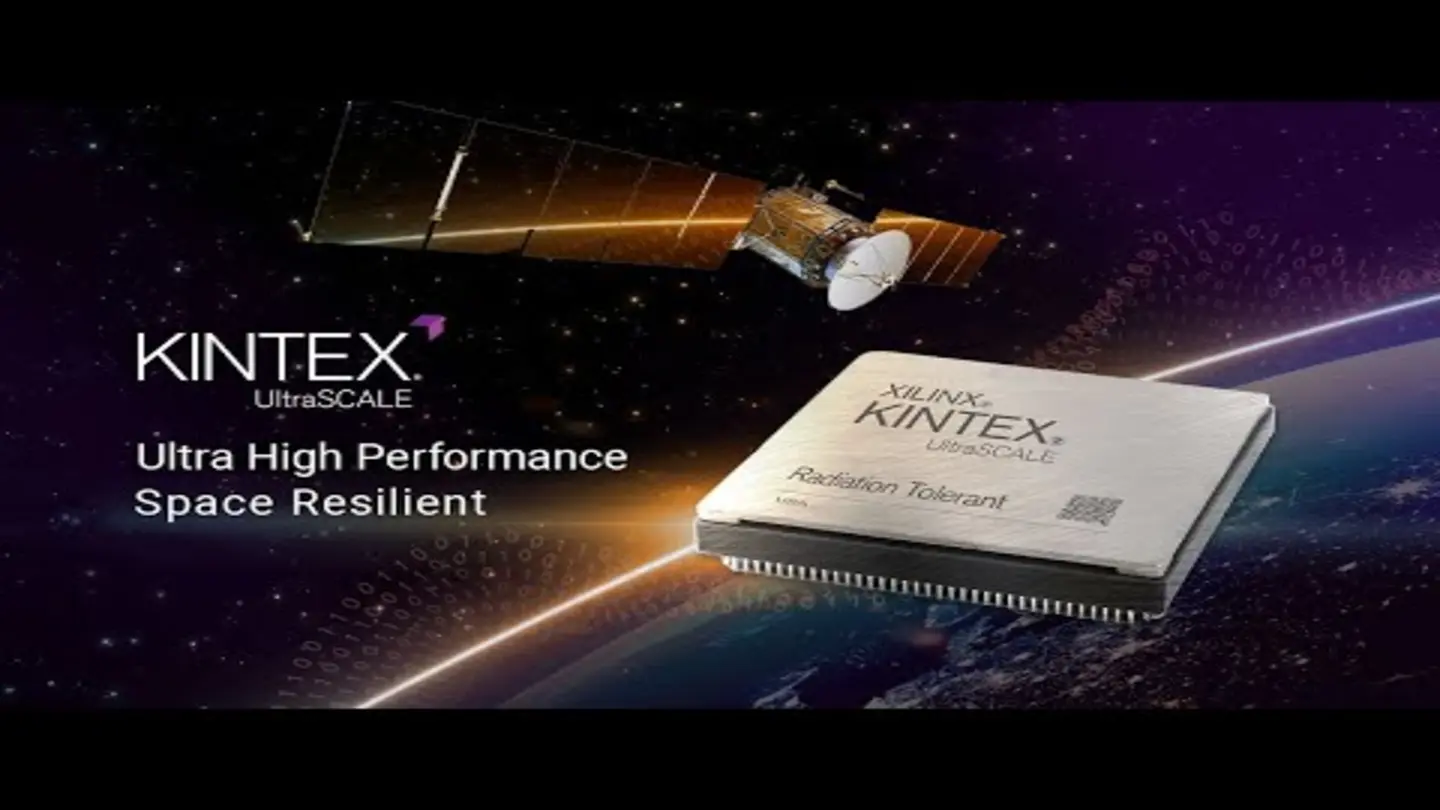
Grenoble, France – NanoXplore and STMicroelectronics have jointly announced the delivery of a European-developed Field-Programmable Gate Array (FPGA) specifically designed for the rigors of space missions. This collaboration marks a significant step towards greater European autonomy in critical space technologies. The FPGA, based on STMicroelectronics’ technology, is intended for use in a wide range of space-based applications, including satellite communications, Earth observation, and onboard processing.
FPGAs are increasingly vital in space systems due to their adaptability and radiation tolerance. Unlike Application-Specific Integrated Circuits (ASICs), which are designed for a fixed function, FPGAs can be reconfigured in orbit to adapt to changing mission requirements, correct errors, or implement new functionalities. This flexibility is invaluable in long-duration missions where unforeseen circumstances are almost guaranteed. Furthermore, the new FPGA is specifically hardened to withstand the intense radiation environment of space, a characteristic crucial for reliability and longevity.
European Innovation in a Critical Sector
Currently, space-qualified FPGAs are heavily reliant on suppliers from outside of Europe, primarily in the United States. This dependence raises concerns regarding supply chain security and access to cutting-edge technology. The NanoXplore and STMicroelectronics development directly addresses these concerns, contributing to a strengthening of the European space industry. The project has been partially funded and supported by the European Space Agency (ESA), highlighting the strategic importance of this capability.
“This delivery represents a key milestone in our strategy to provide the European space industry with a sovereign and competitive FPGA solution,” stated a spokesperson from STMicroelectronics. “Our collaboration with NanoXplore allows us to combine our expertise in semiconductor design and manufacturing with their experience in radiation hardening and space-level qualification.”
NanoXplore’s role in the partnership focused on ensuring the FPGA could function reliably in the challenging conditions present in space. This involved rigorous testing and the implementation of advanced radiation mitigation techniques. The company’s expertise in these areas proved pivotal in adapting STMicroelectronics’ core technology for space applications. The FPGA underwent extensive qualification processes, meeting the stringent requirements set by the ESA and other space agencies.
Deliveries of the FPGA have already begun to select European space companies participating in ESA programs. The successful completion of the project paves the way for future developments, including higher-performance FPGAs and system-on-chip (SoC) solutions tailored for the evolving needs of the space sector. The companies anticipate significant demand for their product as European nations and commercial entities increase their investment in space exploration and infrastructure. Industry analysts predict that the market for space-qualified FPGAs will see substantial growth in the coming years, driven by the proliferation of small satellites and the increasing complexity of space missions.
The collaboration’s success emphasizes the importance of public-private partnerships in driving innovation within strategically important industries like space technology. By combining the resources and knowledge of both companies, along with the support of the ESA, they have delivered a critical component that enhances Europe’s capabilities in the final frontier.
Image Source: Google | Image Credit: Respective Owner