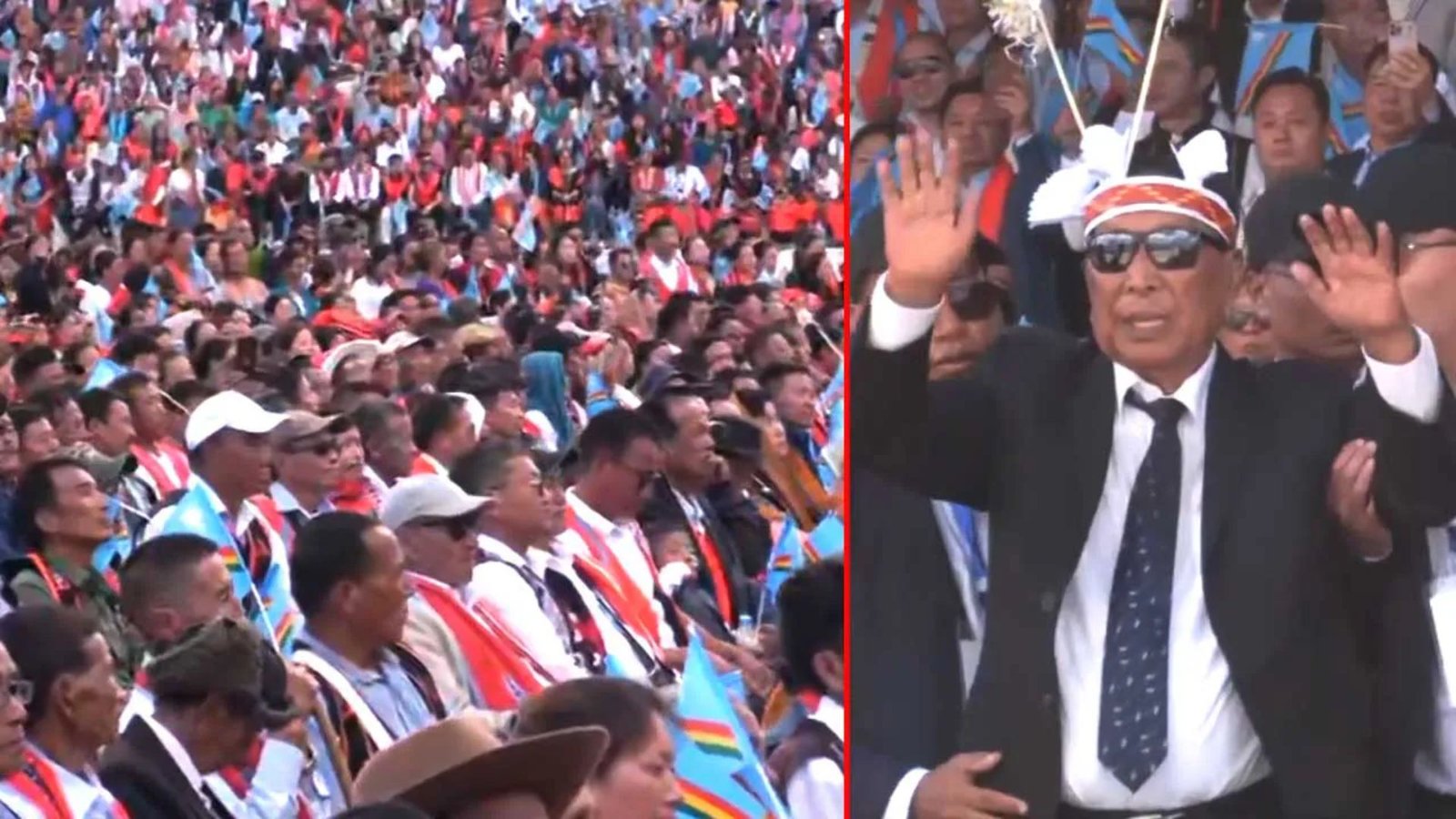
A prominent Naga rebel leader has returned to his hometown in India’s northeast after spending five decades in self-imposed exile. The return marks a significant development in the ongoing peace process aimed at resolving the decades-long insurgency in the region. The leader, a key figure in one of the major Naga armed groups, was greeted by a large crowd of supporters and well-wishers upon his arrival.
Historical Context
The Naga insurgency, rooted in the demand for a separate Naga nation, has plagued India’s northeast for several decades. Various Naga groups have engaged in armed conflict with the Indian government, seeking greater autonomy or complete independence. The conflict has resulted in significant loss of life and has hindered development in the region. The government has been engaged in peace talks with various Naga groups in an effort to find a lasting solution.
The return of the rebel leader is seen as a positive step towards achieving a comprehensive peace agreement. His presence is expected to facilitate further dialogue and negotiation between the Naga groups and the government. Analysts believe that his influence within the Naga community could help bridge the gap between the conflicting parties and pave the way for a peaceful resolution.
The Return
The leader’s return was facilitated by ongoing negotiations between his group and the Indian government. The government has been actively working to bring various Naga factions to the negotiating table to address their grievances and find a mutually acceptable solution. The leader’s decision to return is a testament to the progress made in these negotiations.
Upon his arrival, the rebel leader expressed his commitment to working towards a peaceful settlement of the Naga issue. He emphasized the need for unity among the Naga people and called for a collective effort to build a better future for the region. He also acknowledged the sacrifices made by the Naga people during the decades of conflict and expressed his determination to honor their legacy by working towards a lasting peace.
Implications and Future Outlook
The return of the rebel leader is expected to have a significant impact on the peace process. His presence could help to consolidate the various Naga factions and facilitate a more unified approach to negotiations with the government. It also sends a positive signal to other Naga groups who are still engaged in armed conflict, encouraging them to consider the path of dialogue and negotiation.
The government has welcomed the leader’s return and has reiterated its commitment to finding a peaceful and lasting solution to the Naga issue. It has expressed its willingness to engage in further dialogue with all stakeholders and to address their concerns in a constructive manner. The coming months will be crucial as the negotiations continue and efforts are made to reach a comprehensive peace agreement that addresses the aspirations of the Naga people and ensures lasting peace and stability in the region.
The homecoming is a symbolic event, representing hope for a peaceful resolution to a conflict that has spanned generations. The photographs documenting his return capture the emotions and expectations of the Naga people, who yearn for a future free from violence and strife. They underscore the significance of this moment and the potential for a new chapter in the history of the region.
Image Source: Google | Image Credit: Respective Owner