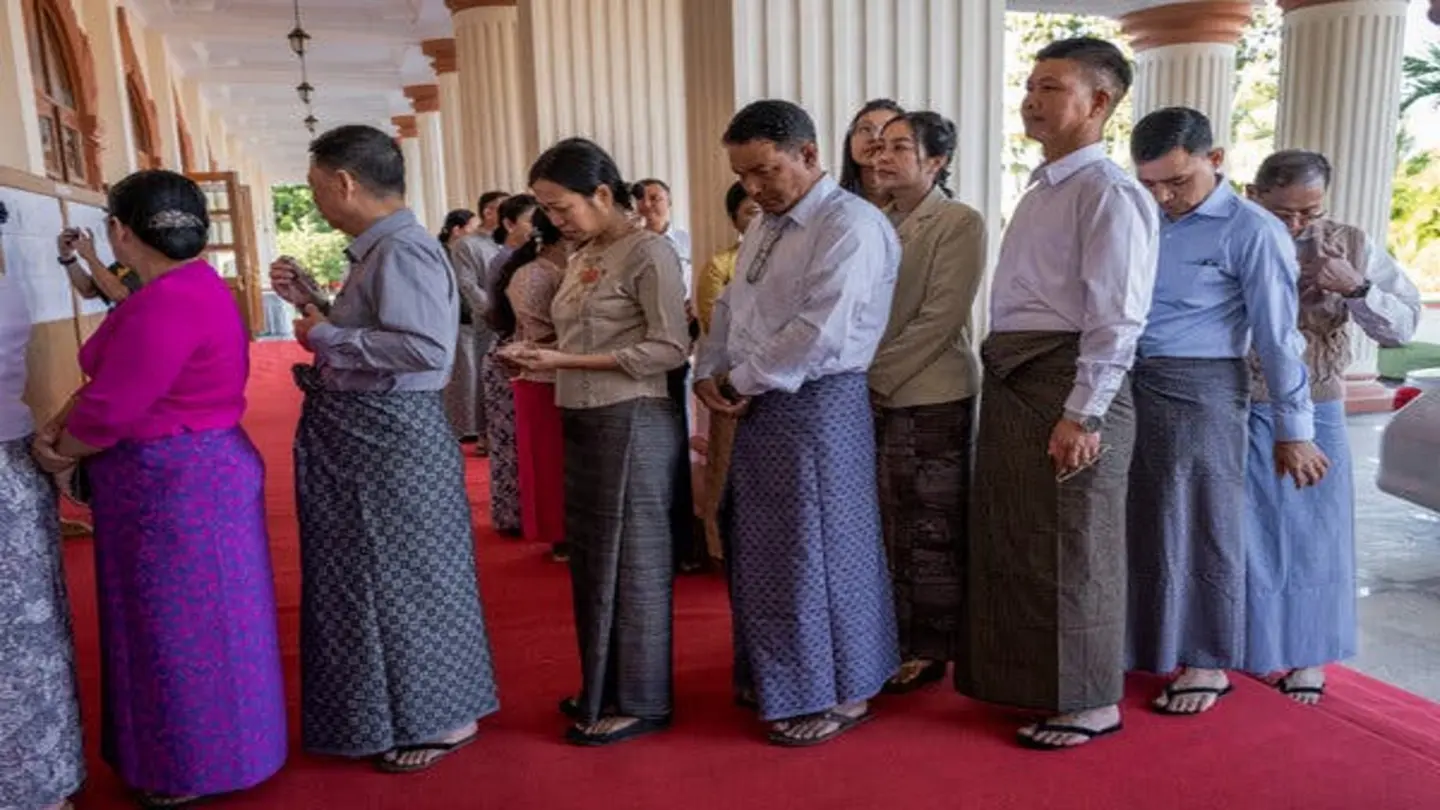
Myanmar began voting on Sunday in its first elections since the 2021 military coup, a poll widely dismissed as a sham by pro-democracy groups and international observers. The junta, which seized power overthrowing the elected government led by Aung San Suu Kyi, has framed the election as a step towards restoring democracy, but critics argue it is a cynical attempt to legitimize its rule amid ongoing civil war and widespread opposition.
The vote is taking place across areas controlled by the military, leaving out significant portions of the country where armed resistance groups are actively fighting against the junta. Millions of people have been displaced by the conflict, and many have been disenfranchised due to restrictions on voting and the ongoing instability. Several ethnic minority areas, which have historically experienced conflict, were also excluded from holding elections.
Limited Participation and Boycott Calls
Participation is expected to be low, with many citizens heeding calls from pro-democracy movements and ethnic armed organizations to boycott the election. These groups view the poll as a farce designed to cement the military’s grip on power, rather than a genuine expression of the people’s will. The National Unity Government (NUG), a shadow government formed by ousted lawmakers, has actively campaigned for a boycott, urging citizens to demonstrate their opposition through non-violent means.
The election features a number of new political parties, many of which are believed to be aligned with the military. Established parties, including Aung San Suu Kyi’s National League for Democracy (NLD), were dissolved and barred from participating. Suu Kyi herself remains under house arrest and faces numerous criminal charges, widely seen as politically motivated. The NLD won a landslide victory in the 2020 elections, which the military then annulled, citing unsubstantiated claims of fraud.
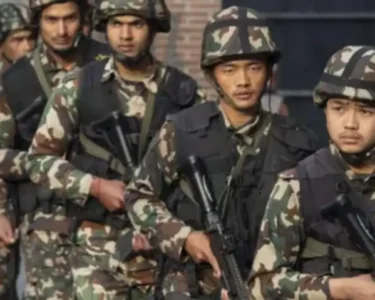
Security has been tight across the country, with a heavy military presence in polling stations. Reports of intimidation and restrictions on independent election monitoring have raised further concerns about the fairness and transparency of the process. The junta has also imposed restrictions on internet access and media coverage, limiting the flow of information.
The international community has largely condemned the election, with the United States, the United Kingdom, and the European Union reiterating their calls for the release of political prisoners and a return to democratic rule. ASEAN, the regional bloc, has also expressed its disappointment with the lack of progress towards a peaceful resolution of the crisis. The UN Special Envoy to Myanmar has warned that the election could further escalate the conflict and undermine efforts to restore stability.
The outcome of the election is widely predicted to favor the military-backed parties. However, the legitimacy of the results will be fiercely contested by the opposition, and the civil war is likely to continue regardless of the official outcome. The election represents a significant escalation in the ongoing struggle for power in Myanmar, with profound implications for the country’s future.
Image Source: Google | Image Credit: Respective Owner