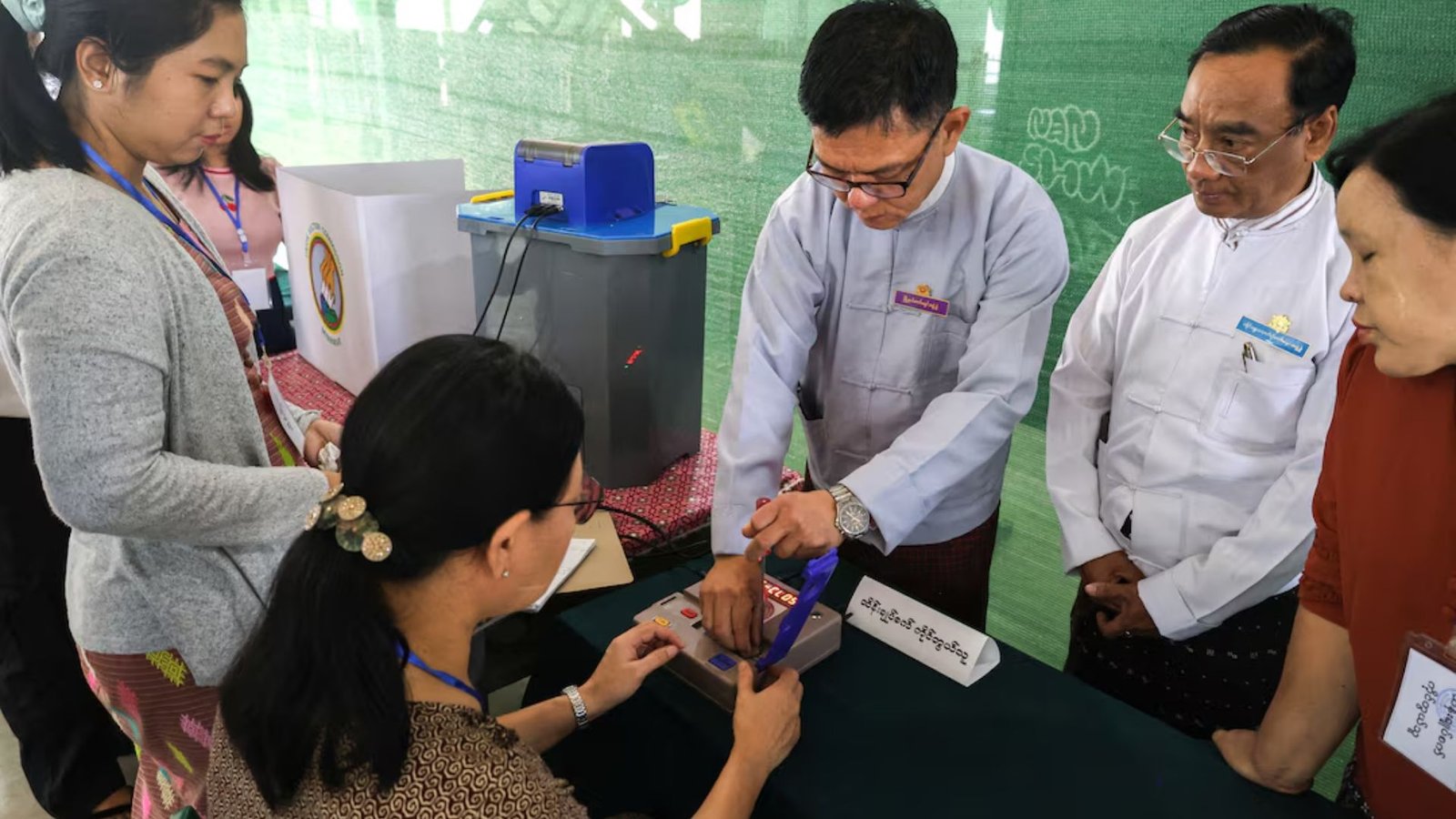
Myanmar held a general election on Saturday, a move largely condemned by international observers and met with widespread protests and boycotts from opposition groups. The vote, organized by the ruling military junta, is taking place against the backdrop of a brutal civil war and a deepening humanitarian crisis that has gripped the nation since the February 2021 coup.
The election is intended to fill vacant seats in parliament, but pro-democracy activists and the ousted civilian government, led by Aung San Suu Kyi, have dismissed it as a sham designed to legitimize military rule. Suu Kyi, currently under house arrest and facing numerous charges, urged citizens to abstain from voting, calling the process a “dictatorship’s exercise.”
Widespread Disruption and Boycotts
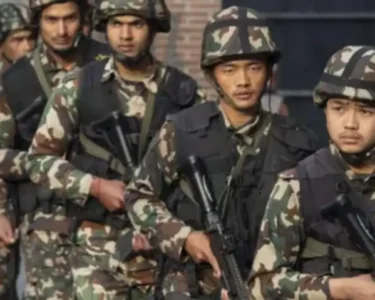
Reports indicate low voter turnout in many areas, particularly in regions heavily affected by conflict. The National Unity Government (NUG), a shadow government formed by ousted lawmakers, has called for a complete boycott, and armed resistance groups have threatened attacks on polling stations and voters. Security was visibly heavy in major cities, with soldiers and police deployed to maintain order, though this did little to encourage participation in areas of strong opposition.
The junta has declared a state of emergency and imposed strict restrictions on political activity and freedom of expression. Independent media outlets have been shut down, and journalists face constant harassment and arrest. The election commission, appointed by the military, has been accused of bias and manipulating the process to favor pro-military parties.
The conflict, sparked by the military’s seizure of power, has pitted the army against a diverse range of armed groups, including ethnic minority militias and newly formed People’s Defense Forces (PDFs). The fighting has resulted in thousands of deaths, widespread displacement, and a severe humanitarian crisis. The United Nations estimates that over 1.8 million people have been internally displaced, and millions more are in need of assistance.
International reaction to the election has been largely negative. The United States, the European Union, and other countries have condemned the vote as undemocratic and called for the release of all political prisoners, including Aung San Suu Kyi. They have also reiterated their support for a peaceful resolution to the conflict and a return to civilian rule.
The junta maintains that the election is necessary to restore stability and pave the way for a new constitution. However, critics argue that any outcome will be illegitimate and will only prolong the suffering of the Myanmar people. The long-term implications of this election remain uncertain, but it is widely expected to exacerbate the existing political and social divisions within the country. The ongoing violence and lack of political dialogue suggest that a return to normalcy is unlikely in the near future.
The election proceeds as the humanitarian situation deteriorates, with limited access for aid organizations to reach those in need. The economic impact of the coup and the conflict has also been devastating, leading to widespread poverty and unemployment. The future of Myanmar hangs in the balance, dependent on the actions of the military and the resilience of the pro-democracy movement.
Image Source: Google | Image Credit: Respective Owner