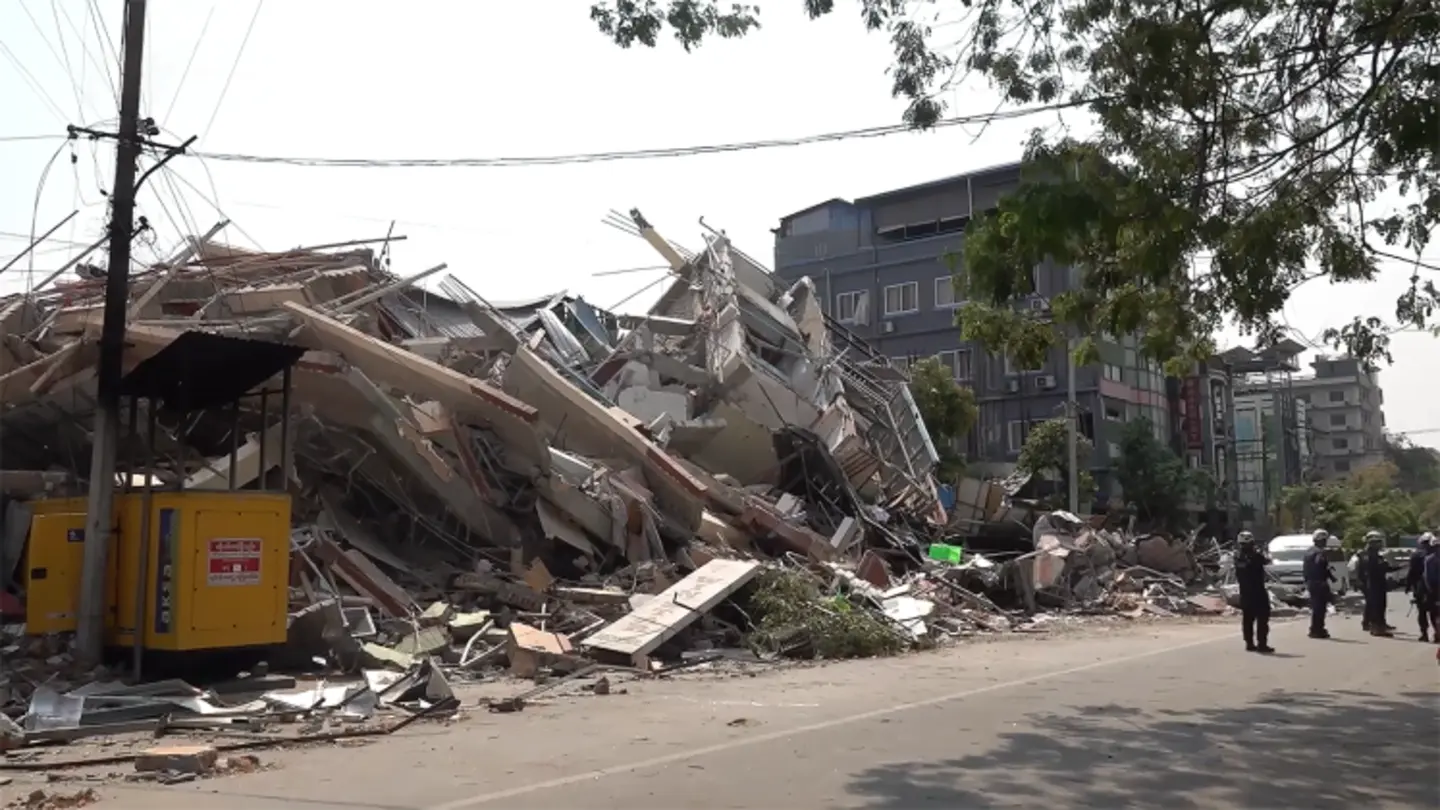
A significant earthquake, measuring 5.9 on the Richter scale, struck Myanmar this morning, triggering strong tremors felt across a wide area, including Kolkata in India and Dhaka in Bangladesh. The quake, which occurred at approximately 7:30 AM local time, has prompted immediate assessments of potential damage and safety concerns in the affected regions.
According to the United States Geological Survey (USGS), the epicenter of the earthquake was located approximately 60 kilometers (37 miles) northwest of Mae Sot, Thailand, near the Myanmar-Thailand border. The shallow depth of the quake – around 10 kilometers (6.2 miles) – contributed to the intensity of the shaking experienced in surrounding areas.
Initial Reports and Concerns
Early reports from Kolkata and Dhaka indicate that residents reported feeling significant shaking, with some describing it as a ‘powerful jolt.’ While initial assessments suggest no immediate widespread damage, authorities are conducting thorough inspections of critical infrastructure, including buildings, bridges, and power grids. Emergency response teams have been mobilized to be on standby, ready to respond to any emerging needs.
In Dhaka, the Bangladesh Meteorological Department issued a preliminary assessment, noting that the earthquake was felt across a large portion of the country. Similar reports are coming in from Kolkata, where residents are expressing concern and awaiting official updates. The Indian Meteorological Department (IMD) is monitoring the situation closely and collaborating with international agencies to gather more detailed information about the quake’s impact.
Myanmar itself is grappling with the immediate aftermath of the earthquake. The region is prone to seismic activity due to its location along the boundary between the Indian and Eurasian tectonic plates. Authorities in Myanmar are initiating damage assessments and coordinating relief efforts. The government has activated its disaster management protocols and is working to ensure the safety and well-being of its citizens.
International organizations, including the United Nations and various humanitarian agencies, are monitoring the situation and offering support. The focus remains on assessing the extent of the damage, providing assistance to those affected, and preventing further casualties. Further updates will be provided as more information becomes available. The potential for aftershocks is also a concern, and residents are advised to remain vigilant and follow the guidance of local authorities.
The earthquake serves as a reminder of the seismic risks faced by countries in the region and the importance of preparedness measures. Continued monitoring and international cooperation are crucial for mitigating the impact of future seismic events.
Image Source: Google | Image Credit: Respective Owner