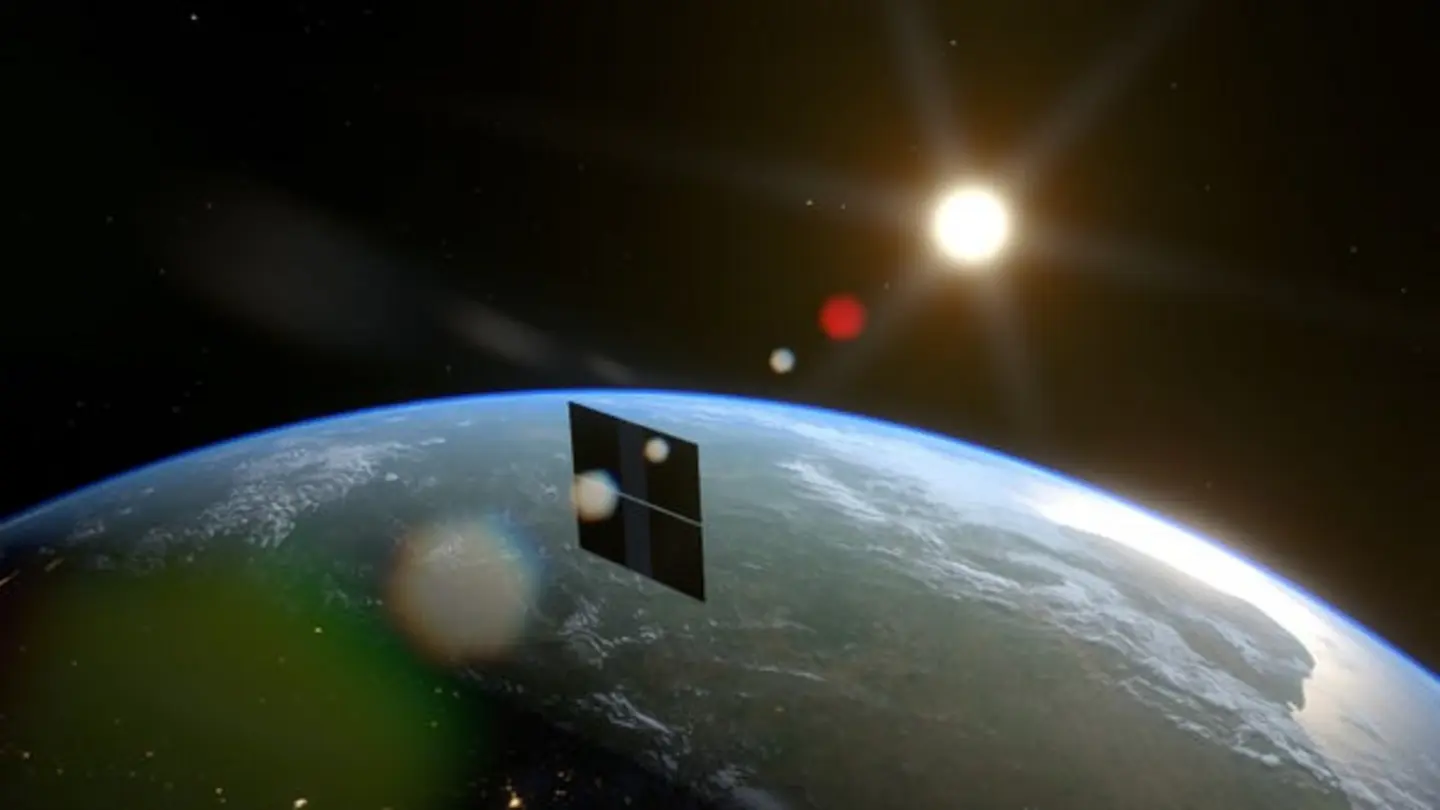
The debate over orbital data centers has intensified among tech leaders. Elon Musk advocates placing data centers in orbit to harness solar energy and natural cooling for compute-intensive tasks, particularly for his Starlink network. Sam Altman dismisses the idea as ‘ridiculous,’ stating the technology isn’t ready. Google, meanwhile, aims to launch a demonstration by 2027. The discussion underscores both the potential and the significant hurdles of space-based computing. As AI workloads surge globally, the industry is seeking innovative solutions to energy and latency constraints.
Elon Musk’s Vision
Through SpaceX, Musk promotes orbital data centers as part of his Mars colonization vision. He claims low Earth orbit offers near-infinite cooling, abundant solar power, and ultra-low latency, especially for Starlink. Reusable rockets reduce costs, and modular designs enable incremental expansion. Musk hints at test flights soon, though details are scarce. While his vision captures imagination, many experts doubt its near-term feasibility.
Sam Altman’s Skepticism
Sam Altman, OpenAI CEO, called Musk’s orbital data center idea ‘ridiculous,’ saying it’s not ready. He cited radiation hardening, microgravity maintenance, space debris risks, and exorbitant costs as major obstacles. Altman urged focusing on terrestrial data center efficiency using renewables and advanced cooling, warning that a ‘space fantasy’ would divert resources from pressing sustainability needs.
Google’s 2027 Target
Google, in contrast, is quietly developing its own orbital computing unit through its cloud division. The project, codenamed ‘Project Nightingale,’ plans a 2027 launch of a compact AI inference system for space. It aims to process data aboard Earth-observation satellites, minimizing raw data downlink. Though secretive about partners, Google’s measured approach suggests a pragmatic long-term bet on space-based edge computing, with a timeline considered more achievable than Musk’s.
Technical and Economic Hurdles
Orbital data centers confront significant technical challenges. Radiation demands expensive hardened chips with inferior performance to commercial ones. Servers must function autonomously for years without repairs, requiring high redundancy. Launch costs, though decreasing, enforce strict weight and power constraints, limiting initial scale. Economically, orbit-based compute is orders of magnitude costlier than terrestrial clouds. Supporters argue that mass production and in-space manufacturing could lower costs, while also providing advantages like free cooling and global reach.
The Road Ahead
Despite doubts, space-based computing is drawing research funding. NASA and private firms are testing radiation-tolerant hardware and on-orbit processing for scientific uses. The coming decade could be decisive: if efforts like Google’s prove reliable and cost-effective, a new distributed infrastructure class may emerge. Still, terrestrial data centers will dominate for years. True progress may stem from hybrid ground-space architectures that combine both worlds.
Image Source: Google | Image Credit: Respective Owner