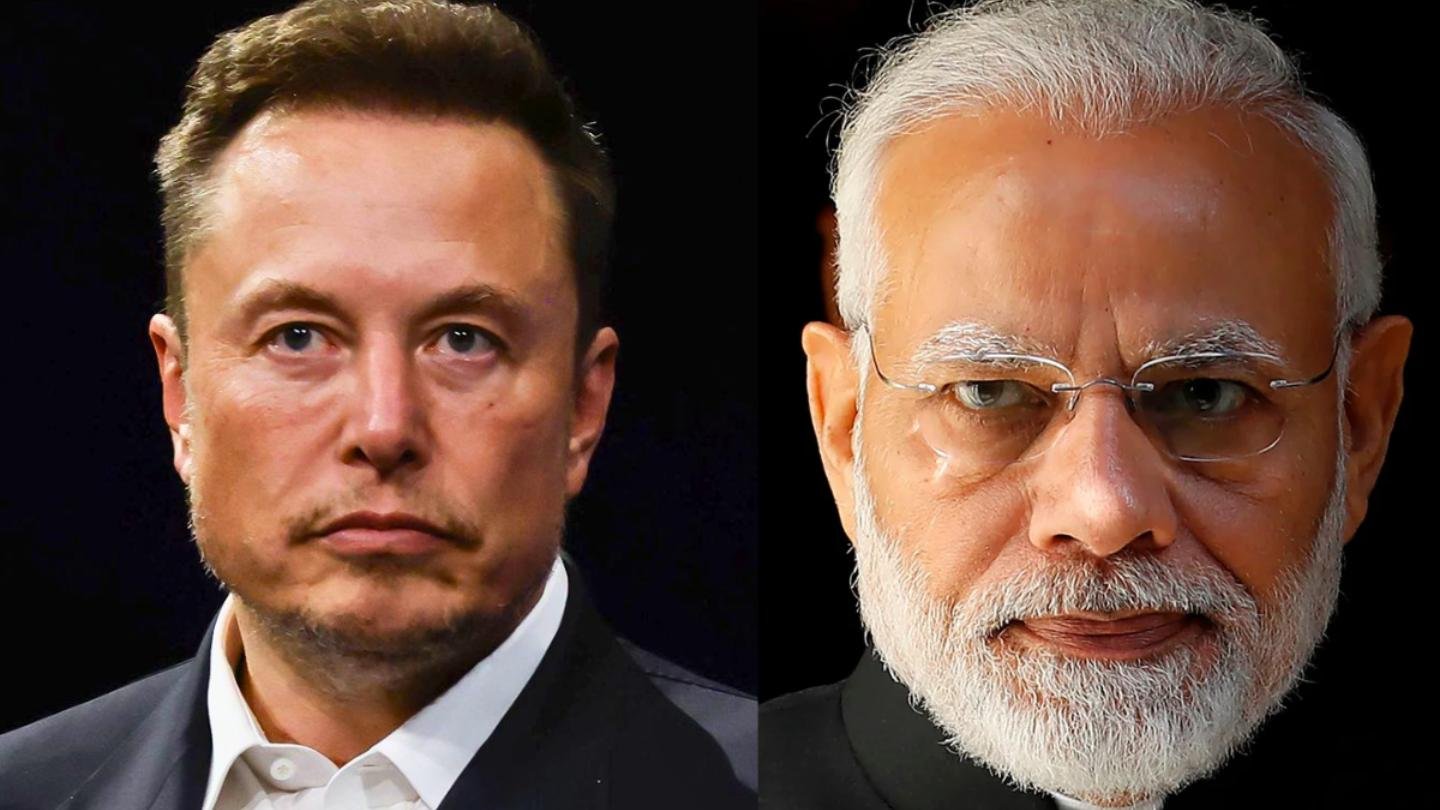
A growing legal standoff is unfolding between Elon Musk’s social media platform X (formerly Twitter) and the Indian government, with both sides clashing over the country’s expanding online censorship regime.
At the heart of the conflict is India’s push for tighter content control on digital platforms—something X argues violates constitutional free speech protections. In contrast, Prime Minister Narendra Modi’s administration insists its actions are meant to tackle illegal online content and maintain public order.
The legal dispute, playing out in the Karnataka High Court, represents a high-stakes challenge to India’s internet regulation system and could set global precedents for tech firms operating in politically sensitive regions.
X Takes India to Court
X filed a lawsuit in March 2025, questioning the legality of hundreds of takedown orders issued by Indian authorities—many targeting political satire, news coverage, and criticism of public officials.
One of the cited posts, still online, described a local ruling-party leader as “useless.” Police in Satara, Maharashtra, labeled it as a potential trigger for “communal tension,” prompting a content removal notice.
X contends that such takedown requests are abusive and unconstitutional, designed not just to limit misinformation but also to suppress dissent. The platform refused to join Sahyog, a government-run portal launched in October 2024 to streamline takedown requests. X has since referred to the site as a “censorship portal.”
India’s Expanding Control Over Online Content
Previously, only select ministries could issue takedown notices for content considered a threat to national interests. But in 2023, India expanded this power to all federal and state agencies, including local police, under an amended directive from the IT Ministry.
Authorities were given broad discretion to request removal of content “prohibited under any law,” a vague definition that critics argue allows overreach. Failure to comply can strip platforms of legal immunity, exposing them to lawsuits or even criminal charges.
What the Government Argues
India’s government defends its stance, arguing that its system curbs misinformation, hoaxes, hate speech, and child sexual abuse content. A government filing cites around 1,400 takedown requests between March 2024 and June 2025, 70% of which came from the Indian Cybercrime Coordination Centre—a branch under Home Minister Amit Shah.
Officials also accused X of hosting offensive content aimed at public figures. One high-profile case involved images that allegedly defamed Jay Shah, Amit Shah’s son and chairman of the ICC.
Another set of takedown requests targeted news posts by NDTV covering a fatal stampede at New Delhi railway station, and political cartoons mocking inflation and disaster preparedness. Some posts remain online; NDTV declined to comment.
Free Speech Concerns and Political Satire
X’s legal filings argue that many takedown demands were for content critical of the government, including satirical cartoons. For example, a cartoon showing a red dinosaur labeled “inflation”—featuring Modi and a state leader—was flagged by Chennai police as “provocative.”
A cartoon of a leaking flood rescue boat, posted during monsoon season, was also targeted months later. In both cases, X argued that such content falls within the realm of political commentary and does not incite violence or disorder.
Deputy Commissioner B. Geetha, of Chennai’s cybercrime unit, told Reuters the platform failed to understand India’s cultural sensitivities. “What may be acceptable in some countries can be considered taboo in India,” she said.
Behind the Lawsuit: Musk’s Stand on Free Speech
Elon Musk, who has described himself as a “free speech absolutist,” has clashed with authorities in various countries over takedown requests and content moderation. The India lawsuit marks one of the most significant legal challenges X has taken against a national government.
In 2023, Musk praised India’s potential, saying it had “more promise than any large country in the world.” He also confirmed that Prime Minister Modi had encouraged him to invest in India, where Musk is preparing to expand Tesla and Starlink operations.
Despite the legal friction, there’s been no public sign of a personal fallout between the two.
What’s at Stake?
India is one of X’s largest user markets. The lawsuit challenges the legal foundation of India’s online censorship model, including the use of Sahyog and the 2023 IT directive. If X prevails, it could restrict the government’s ability to compel social media platforms to remove content without judicial oversight.
Critics argue that unchecked censorship threatens democratic values. “Can a claim that some content is unlawful be termed as indeed unlawful merely because the government claims so?” asked Subramaniam Vincent, Director at Santa Clara University’s Markkula Center for Applied Ethics.
As the case unfolds, the outcome will likely influence how global tech firms navigate authoritarian-style digital governance—especially in emerging markets.
Image Source: India’s Press Information Bureau / REUTERS
Image Credit: Respective Owner