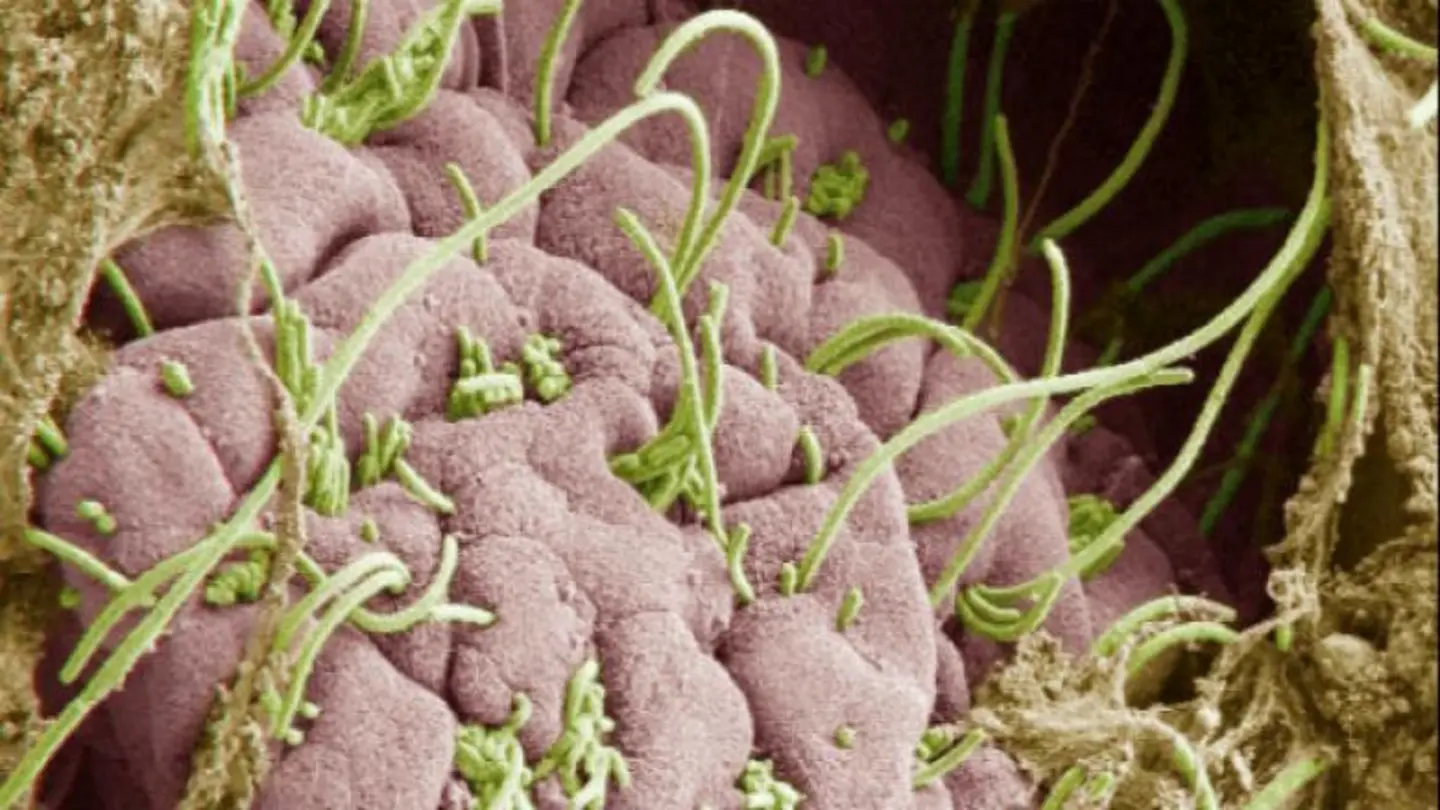
Researchers at Amrita Vishwa Vidyapeetham have identified a crucial protein in *Mycobacterium tuberculosis* (Mtb) that plays a significant role in the bacteria’s ability to survive within infected macrophages – immune cells that are normally tasked with eliminating pathogens. The study, published [Source URL – not provided in the prompt, but assumed to be in the original article], details the function of Rv1899c, an HDAC1-ZBTB25 interacting protein, and its contribution to both stress resistance and immune evasion by the bacterium.
Understanding the Role of Rv1899c
The research team found that Rv1899c promotes the survival of Mtb within macrophages by influencing the host cell’s stress response pathways. Specifically, Rv1899c appears to modulate cellular processes that help the bacteria withstand harsh conditions within the macrophage environment, such as oxidative stress and nutrient deprivation. This allows Mtb to persist and replicate, hindering the immune system’s efforts to clear the infection.
Immune Evasion Mechanisms
Beyond stress resistance, Rv1899c also contributes to immune evasion. The protein interferes with the macrophage’s ability to activate key signaling pathways required for effective immune responses. By suppressing these pathways, Rv1899c effectively dampens the inflammatory response and prevents the macrophage from mounting a strong attack against the bacteria. This allows Mtb to establish a chronic infection.
Implications for Drug Development
The discovery of Rv1899c’s role in Mtb survival offers a promising new target for the development of novel anti-tuberculosis drugs. Targeting this protein could potentially disrupt the bacteria’s ability to evade the immune system and survive within macrophages, leading to more effective treatments for tuberculosis. Researchers believe that inhibiting Rv1899c could enhance the efficacy of existing antibiotics and provide a new avenue for combating drug-resistant strains of Mtb. The study provides a deeper understanding of the complex interplay between *Mycobacterium tuberculosis* and its host cells, opening doors for innovative therapeutic strategies.
Further research will focus on developing specific inhibitors of Rv1899c and assessing their efficacy in preclinical models. Understanding the precise molecular mechanisms by which Rv1899c exerts its effects is also a key priority for the research team. The findings contribute significantly to the ongoing global effort to combat tuberculosis, a major public health challenge worldwide.
Image Source: Google | Image Credit: Respective Owner