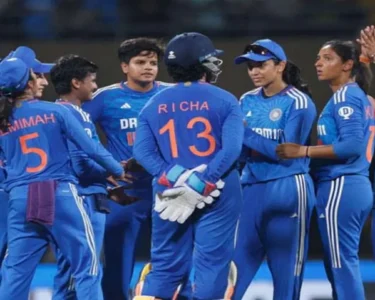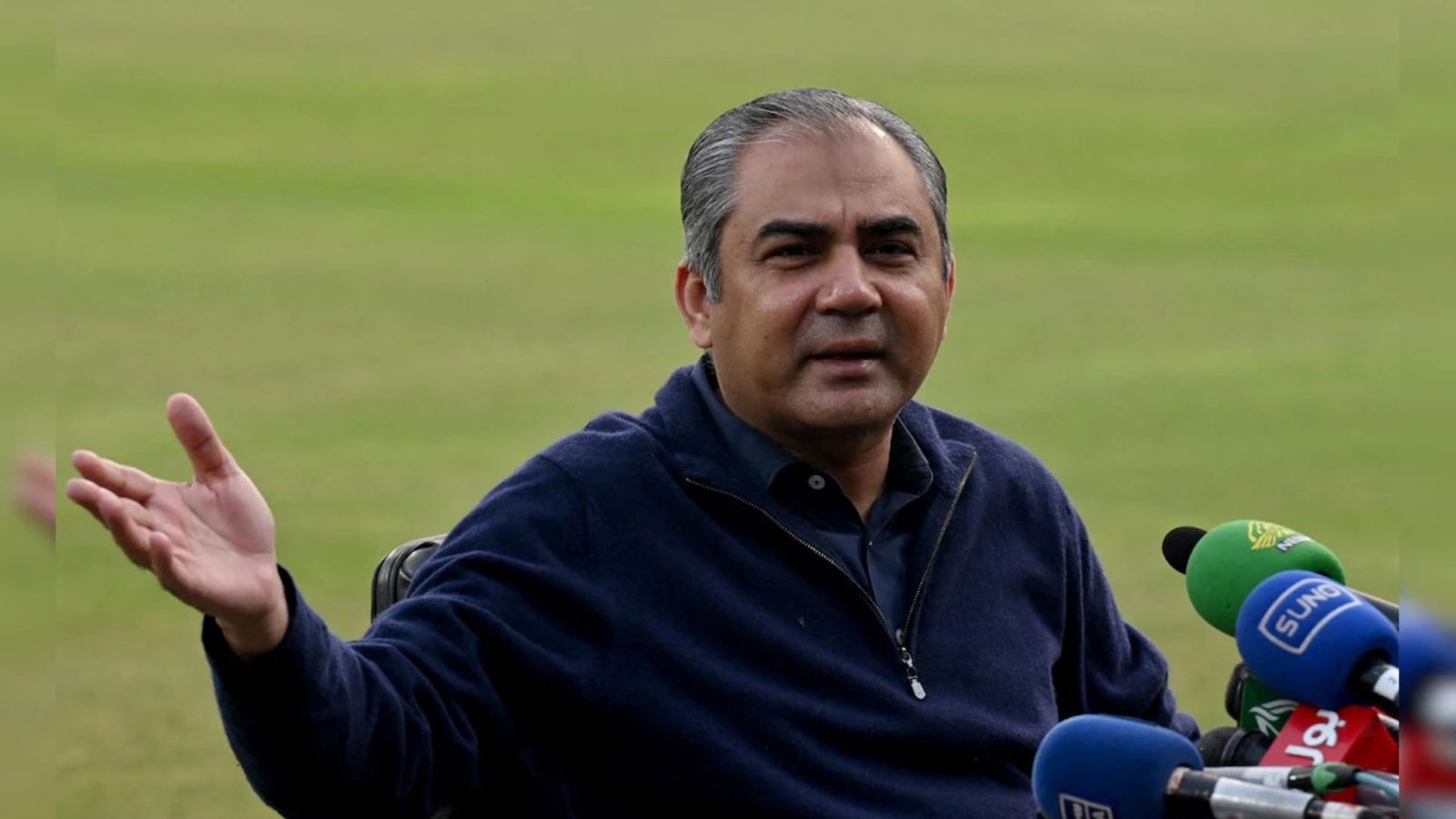
Mahsin Naqvi, a prominent figure in Pakistan’s cricket administration, has publicly labeled himself the ‘Actual Hero’ for the Pakistan Cricket Board’s decision to abruptly cancel the proposed matching schedule against India during the ongoing ICC T20 World Cup. This controversial move, framed as a political statement, has reignited longstanding tensions between the two cricketing powerhouses amid off-field disputes.
The cancellation, announced abruptly last week, scuttled a planned bilateral series that had been scheduled for the international tournament. Naqvi defended the decision in an impassioned press conference, asserting that the move was necessary to uphold Pakistan’s sovereign stance on geopolitical issues unrelated to sports—a claim that critics dismiss as a diversion from cricketing priorities.
Political Undertones and Cricketing Consequences
Naqvi’s rhetoric underscores the intertwining of politics and cricket in the South Asian subcontinent. By invoking the phrase ‘Actual Hero,’ he positions the withdrawal as a patriotic act, framing it as a moral obligation to resist perceived Indian dominance in regional affairs. However, cricket analysts argue that the timing of the withdrawal coincides with Pakistan’s poor performance in the tournament, suggesting a convenient attempt to deflect accountability.
The boycott policy dates back to 2016, following a terror attack on a Pakistani military academy, but the COVID-19 hiatus had postponed confrontations. While India has consistently advocated for the resumption of bilateral ties, Pakistan’s stance remains tied to bilateral negotiations with Delhi. Critics argue that taking such decisions during a high-profile tournament undermines the spirit of sportsmanship.
The move has sparked mixed reactions globally. While some nations and fans commend Pakistan for taking a principled stance, others condemn the disruption to competitive cricket. The International Cricket Council has not formally intervened, but calls for neutral venues to de-escalate tensions have gained traction.
Naqvi’s declaration of heroism has also drawn domestic scrutiny in Pakistan. While some cricket fans applaud his defiance, others question whether the team’s failure to compete in the tournament should not overshadow such symbolic gestures. The Pakistan Cricket Board faces pressure to prioritize player welfare and match logistics over politically charged decisions as the T20 World Cup enters its final stages.
With Pakistan set to play Australia in the tournament’s finale, attention now shifts to whether the team can salvage international respect. Meanwhile, the extended boycott may further strain cricket’s role as a diplomatic bridge between the two nations, according to Pakistan-India cricket diplomacy experts.
Image Source: Google | Image Credit: Respective Owner