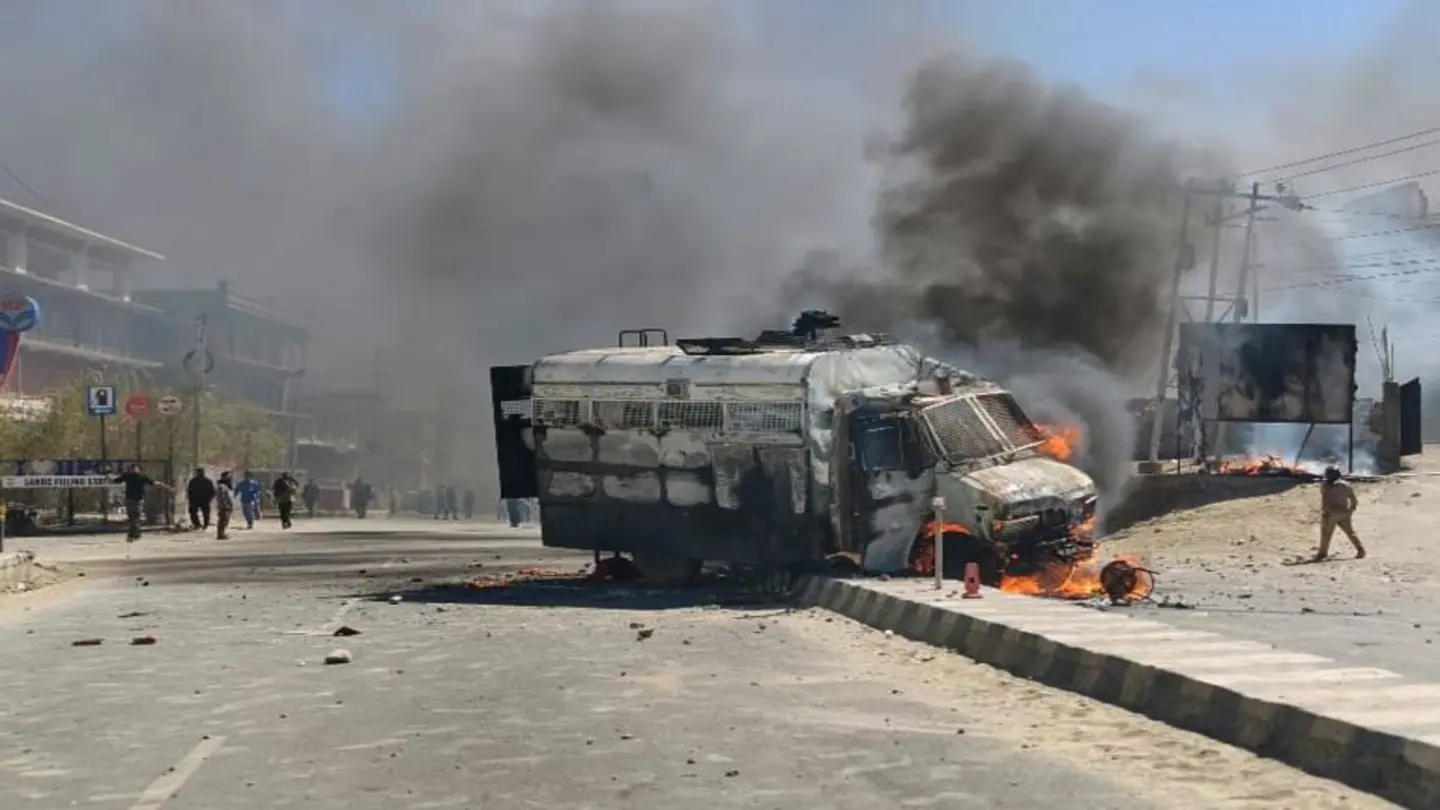
Prime Minister Narendra Modi’s approach to recent protests in the Ladakh region of India is raising concerns about potential alienation of a vital community and the broader political ramifications. The protests, centered around demands for greater regional autonomy and protection of local interests, have presented a delicate challenge for the Modi administration.
The situation in Ladakh has been simmering for some time, with local groups voicing grievances related to land rights, environmental concerns, and representation in governance. The recent surge in protests underscores the depth of these concerns and the growing frustration among certain segments of the Ladakhi population. The region’s unique cultural identity and strategic importance further complicate the matter.
The Heart of the Matter
The specific demands of the protesters vary but often include calls for statehood for Ladakh, greater local control over resources, and safeguards to protect the region’s fragile ecosystem. There’s also a desire for constitutional protections to preserve the distinct cultural heritage of Ladakh. The protesters argue that these measures are essential to ensure the region’s sustainable development and protect the interests of its residents. How the central government responds to these demands is crucial.
Modi’s initial reaction to the protests has been perceived by some as dismissive or inadequate, fueling further discontent. Critics argue that a more proactive and conciliatory approach is needed to address the underlying issues and build trust with the local population. Failure to do so, they warn, could have serious consequences for the region’s stability and India’s overall security interests.
The potential alienation of a key community in Ladakh could have far-reaching political implications. It could embolden separatist sentiments, complicate relations with neighboring countries, and undermine India’s efforts to project itself as a responsible and inclusive regional power. Moreover, it could set a negative precedent for handling similar situations in other parts of the country.
The situation demands a nuanced and strategic response. A combination of dialogue, policy reforms, and concrete actions is needed to address the grievances of the Ladakhi people and restore their faith in the government. This includes engaging with local leaders, addressing concerns about land rights and environmental protection, and ensuring greater representation in decision-making processes. Finding common ground is essential.
Ultimately, the success of Modi’s government in resolving the situation in Ladakh will depend on its ability to listen to the concerns of the local population, acknowledge their legitimate grievances, and work collaboratively towards a mutually acceptable solution. A failure to do so could have lasting negative consequences for the region and the country as a whole. The coming weeks and months will be crucial in determining the future trajectory of this sensitive issue.
Image Source: Google | Image Credit: Respective Owner