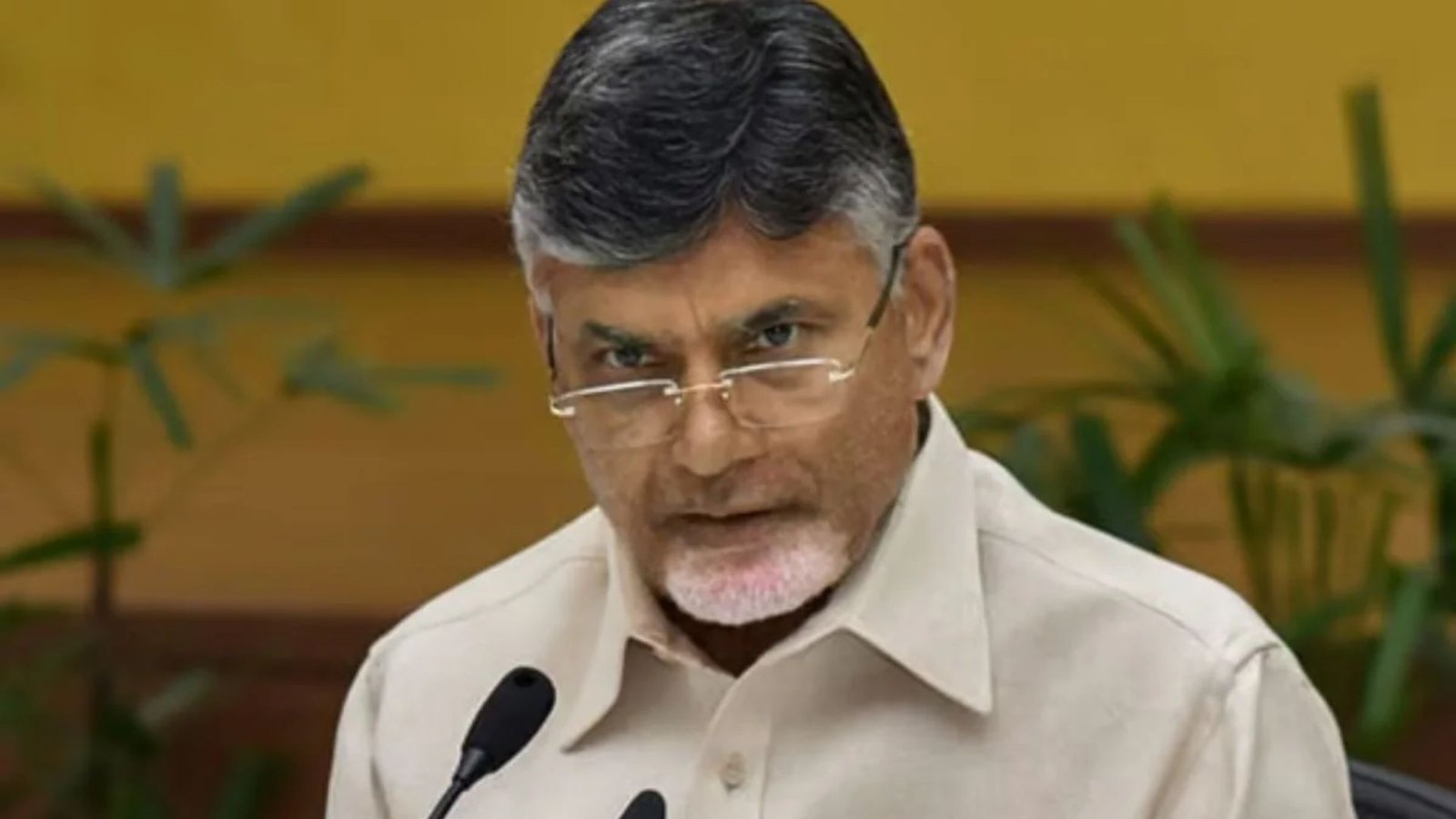
Prime Minister Narendra Modi has publicly lauded Andhra Pradesh Chief Minister N. Chandrababu Naidu for speaking in Hindi during a recent event, a gesture that has garnered attention and sparked varied reactions across the political spectrum. The Prime Minister’s commendation has been interpreted by many as a sign of improving relations between the central government and the Telugu Desam Party (TDP), especially after periods of political friction.
The incident occurred at a national conference where Chief Minister Naidu, known for his focus on technology and development in Andhra Pradesh, addressed the audience in Hindi. His effort to communicate in the national language was seen as a move to bridge the communication gap and foster better understanding among participants from different states.
Significance of Modi’s Praise
Prime Minister Modi’s acknowledgment of Naidu’s Hindi speech is particularly noteworthy given the past political dynamics between the two leaders. The TDP had previously withdrawn from the ruling National Democratic Alliance (NDA) citing disagreements over special category status for Andhra Pradesh and other developmental issues. However, recent signals indicate a potential thaw in relations, with both leaders expressing willingness to collaborate on matters of national interest.
Political analysts suggest that Modi’s praise could be a calculated move to strengthen ties with regional parties ahead of future elections. By recognizing and appreciating Naidu’s efforts, the BJP may be aiming to build goodwill and explore possibilities of future alliances. This is crucial in India’s diverse political landscape where regional parties often play a decisive role in government formation.
Reactions and Implications
The response to Modi’s praise has been diverse. While some view it as a positive step towards better Centre-State relations, others remain skeptical, pointing to the unresolved issues between the TDP and the BJP. Opposition parties have criticized the move, suggesting that it is merely a political stunt aimed at gaining favor in Andhra Pradesh.
Irrespective of the political motivations, the incident highlights the importance of language in Indian politics. Hindi, as the national language, often becomes a focal point in discussions about national integration and cultural identity. Chief Minister Naidu’s willingness to speak in Hindi, despite being a leader from a non-Hindi speaking state, sends a message of inclusivity and cooperation.
The gesture also underscores the evolving political landscape in India, where regional leaders are increasingly engaging in national discourse and contributing to policy-making at the central level. Whether this leads to a more concrete political alignment remains to be seen, but the initial signals suggest a possibility of improved coordination between the central government and the TDP in the coming months.
The development is being closely watched as it could influence political equations and developmental trajectories in Andhra Pradesh and at the national level.
Image Source: Google | Image Credit: Respective Owner