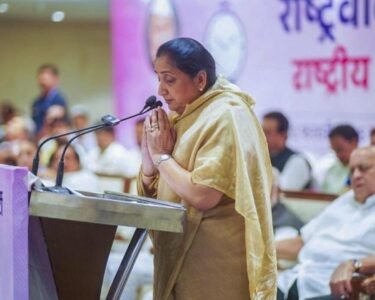
Prime Minister Narendra Modi, during his visit to Ayodhya, delivered a message emphasizing inclusivity and a departure from colonial-era mindsets. His address underscored the government’s commitment to reaching out to marginalized communities and fostering a sense of national pride rooted in indigenous values.
Addressing a gathering that included religious leaders and local residents, Modi highlighted the significance of Ayodhya as a symbol of India’s rich cultural heritage. He stressed the importance of preserving and promoting this heritage while simultaneously embracing modernity and progress. The Prime Minister’s remarks also touched upon the need to shed the remnants of a “slave mentality,” encouraging citizens to embrace their own identity and traditions.
Emphasis on Inclusivity
A key aspect of Modi’s message was the emphasis on reaching out to marginalized groups. He reiterated the government’s commitment to social justice and empowerment, highlighting various initiatives aimed at improving the lives of the underprivileged. This outreach is seen as an effort to build a more inclusive society where everyone has the opportunity to thrive.
The Prime Minister spoke about the importance of creating a level playing field for all citizens, regardless of their caste, creed, or religion. He underscored the need to address historical injustices and ensure that marginalized communities are fully integrated into the mainstream. This message of inclusivity resonated strongly with the audience, many of whom have historically been excluded from the benefits of development.
Decolonisation and Cultural Pride
Modi’s call to shed the “slave mentality” reflected a broader theme of decolonisation and the promotion of cultural pride. He encouraged citizens to take pride in their Indian identity and to embrace their own traditions and values. This message is part of a larger effort to reclaim India’s cultural narrative and to move away from the influence of colonial-era thinking.
The Prime Minister emphasized the importance of preserving India’s rich cultural heritage and promoting it on the world stage. He highlighted the role of education in instilling a sense of national pride and fostering a deeper understanding of India’s history and traditions. Modi’s focus on decolonisation is also aligned with the government’s efforts to promote indigenous languages, arts, and crafts.
The visit to Ayodhya and the accompanying address are seen as a strategic move to consolidate support among various segments of the population, particularly those who have historically felt marginalized. By emphasizing inclusivity and cultural pride, Modi aims to create a broader sense of national unity and purpose.
Political analysts suggest that this approach is likely to resonate well with a large section of the electorate, particularly as the country gears up for upcoming elections. The focus on decolonisation also taps into a growing sentiment among Indians who are increasingly proud of their cultural identity and eager to assert their place on the global stage.
Image Source: Google | Image Credit: Respective Owner