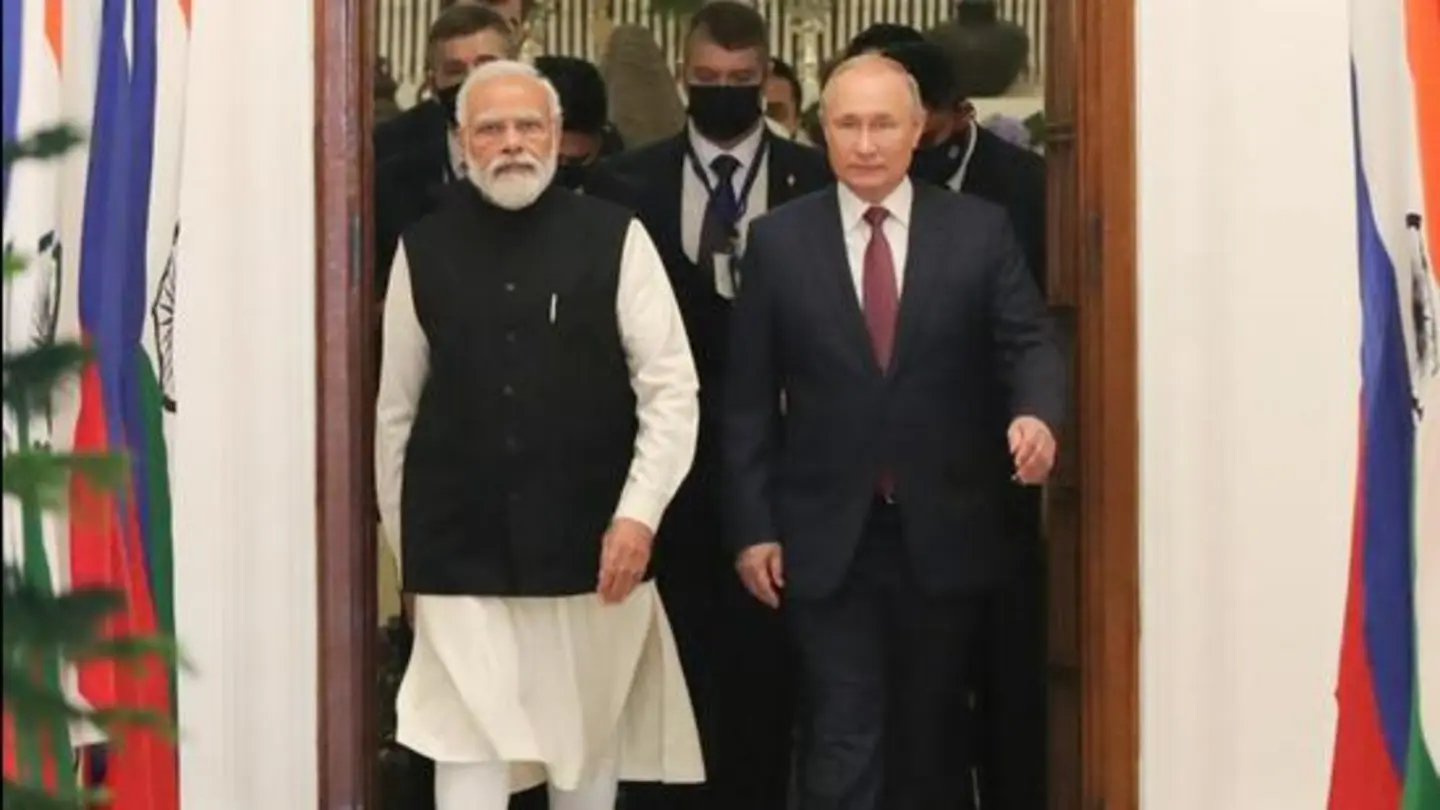
New Delhi – Prime Minister Narendra Modi has voiced “deep concern” following recent reports of attacks targeting the official residence of Russian President Vladimir Putin, as confirmed by the Kremlin. This expression of concern underscores India’s delicate balancing act as it navigates the ongoing conflict in Ukraine and maintains its strategic partnership with Russia.
During a phone conversation with President Putin, Mr. Modi conveyed India’s position on the matter, emphasizing the need to avoid escalation and protect civilian infrastructure. While the details of the conversation remained largely undisclosed, the Indian side has reiterated its consistent stance of advocating for a peaceful resolution to the crisis through dialogue and diplomacy. This is notable as it comes amid continued international condemnation of Russia’s actions and increasing pressure on India to adopt a more critical tone.
The Kremlin’s statement indicated that President Putin briefed Prime Minister Modi on the situation in Ukraine, including the alleged Ukrainian attempts to damage his residence. Russia has claimed these attacks were carried out using drones, accusing Ukraine of resorting to terrorism. These claims have been met with skepticism by Western nations, who maintain that Russia is attempting to manufacture justification for further escalation.
India has consistently called for de-escalation and a return to the negotiating table since the beginning of the conflict. It has refrained from explicitly condemning Russia, instead focusing on the importance of respecting the sovereignty and territorial integrity of all nations. This approach stems from India’s long-standing defense and economic ties with Russia, a critical supplier of military equipment, energy, and fertilizers.
India’s Position
India’s position reflects a broader foreign policy strategy of maintaining strategic autonomy and pursuing national interests. While acknowledging the humanitarian impact of the war, India has prioritized securing its own energy supplies and maintaining access to crucial military hardware. The country has also increased its trade with Russia, particularly in oil and gas, drawing criticism from some Western governments.
The phone call between Modi and Putin occurred amidst growing international efforts to mediate a ceasefire. However, prospects for a swift resolution appear dim, with both sides entrenched in their positions. Mr. Modi reiterated India’s readiness to contribute to any peace efforts, both bilaterally and through international platforms. He emphasized the importance of establishing a sustainable ceasefire and finding a diplomatic solution that addresses the concerns of all parties involved.
Analysts suggest that India’s expression of concern is largely symbolic, aimed at signaling its disapproval of attacks on state leaders while avoiding a direct condemnation of Russia. This cautious approach is likely to continue as India strives to manage its complex relationship with both Russia and the West. The situation remains fluid, and further engagement from India may depend on the evolving dynamics of the conflict and any potential opportunities for mediation.
Image Source: Google | Image Credit: Respective Owner