Microsoft is leveraging the creativity of its massive Minecraft player base to inform the design of real-world urban planning and infrastructure projects slated for completion in 2025. The initiative, dubbed “Shaping 2025 in Minecraft,” invites players to contribute ideas and build prototypes within the game, focusing on solutions for challenges facing cities and communities.
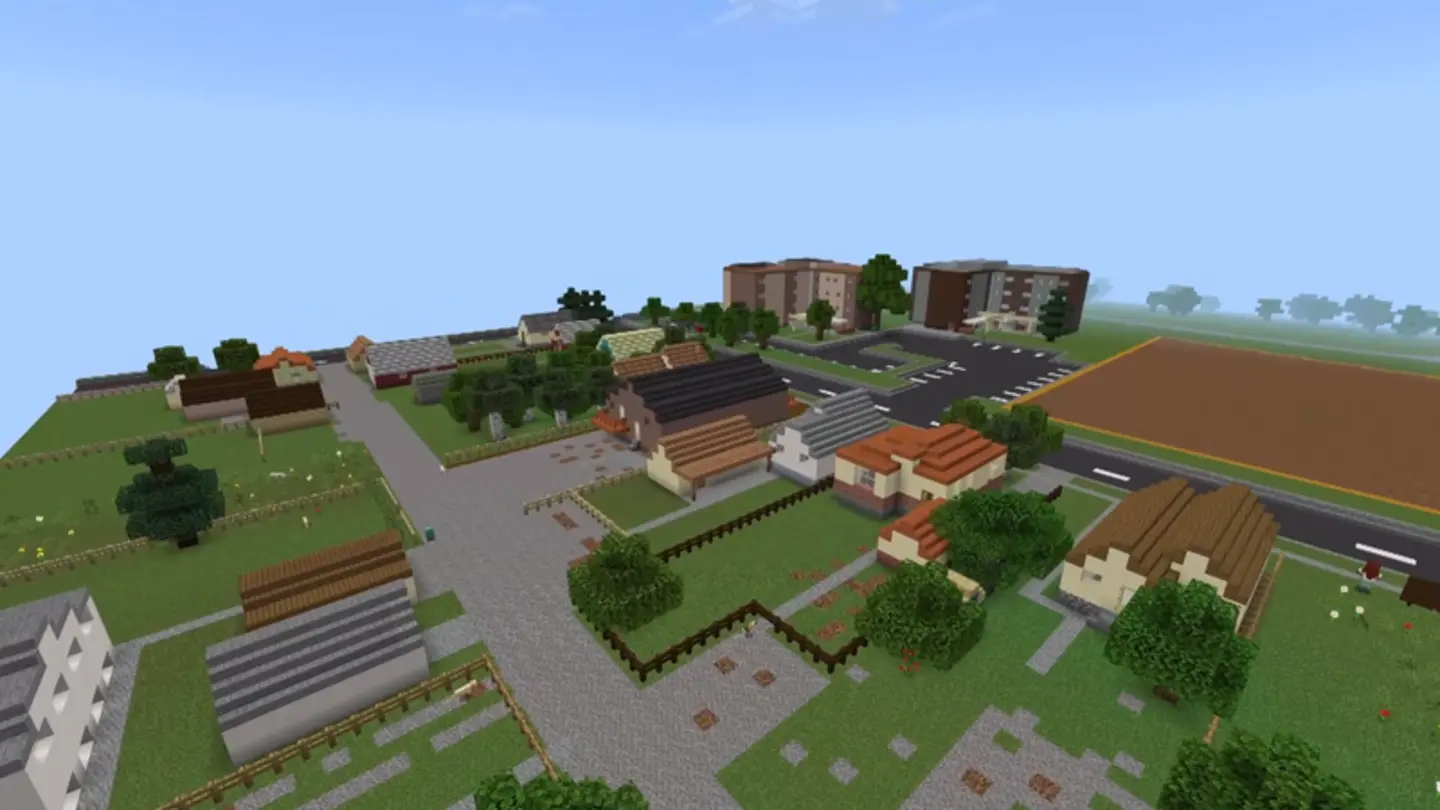
The project centers around a detailed Minecraft replica of a portion of the city of Stockholm, Sweden. Players are tasked with reimagining this area, proposing innovative designs for transportation, housing, public spaces, and sustainability features. Microsoft is collaborating with the City of Stockholm and several academic institutions to ensure the project’s relevance and impact.
This isn’t simply about aesthetics. The goal is to gather data-driven insights from the player-created designs. Minecraft’s block-based building system allows for rapid prototyping and experimentation with different concepts. The scale of the player base – numbering in the hundreds of millions – provides a uniquely large and diverse pool of potential solutions. Microsoft will analyze the builds, looking for patterns and identifying ideas that address specific urban challenges effectively.
Focus Areas and Player Contributions
Key areas of focus include improving accessibility for all citizens, creating more efficient and sustainable transportation networks, and developing innovative housing solutions to address population growth. Players are encouraged to consider the social, economic, and environmental impacts of their designs. The project emphasizes inclusivity, seeking input from players with diverse backgrounds and perspectives.
The data collected from Minecraft will be used to inform the City of Stockholm’s actual urban development plans. While the game’s limitations are acknowledged, the sheer volume of ideas and the ability to visualize complex concepts in a tangible way are seen as invaluable assets. This approach allows planners to explore a wider range of possibilities than traditional methods might allow.
Microsoft has previously used Minecraft for educational purposes, but “Shaping 2025 in Minecraft” represents a significant expansion of this approach. It demonstrates a growing recognition of the potential of gaming platforms to contribute to real-world problem-solving. The company believes that by tapping into the creativity and ingenuity of gamers, they can accelerate innovation in urban planning and create more livable, sustainable cities.
The project also highlights the evolving relationship between the digital and physical worlds. As virtual environments become increasingly sophisticated, they are offering new opportunities for collaboration, experimentation, and design. “Shaping 2025 in Minecraft” is a compelling example of how this convergence can lead to tangible benefits for communities around the globe. The initiative is ongoing, with Microsoft planning to expand the project to other cities in the future, further solidifying Minecraft’s role as a platform for civic engagement and innovation.
Ultimately, the success of the project will be measured by its ability to translate player-generated ideas into concrete improvements in the quality of life for residents of Stockholm and beyond.
Image Source: Google | Image Credit: Respective Owner