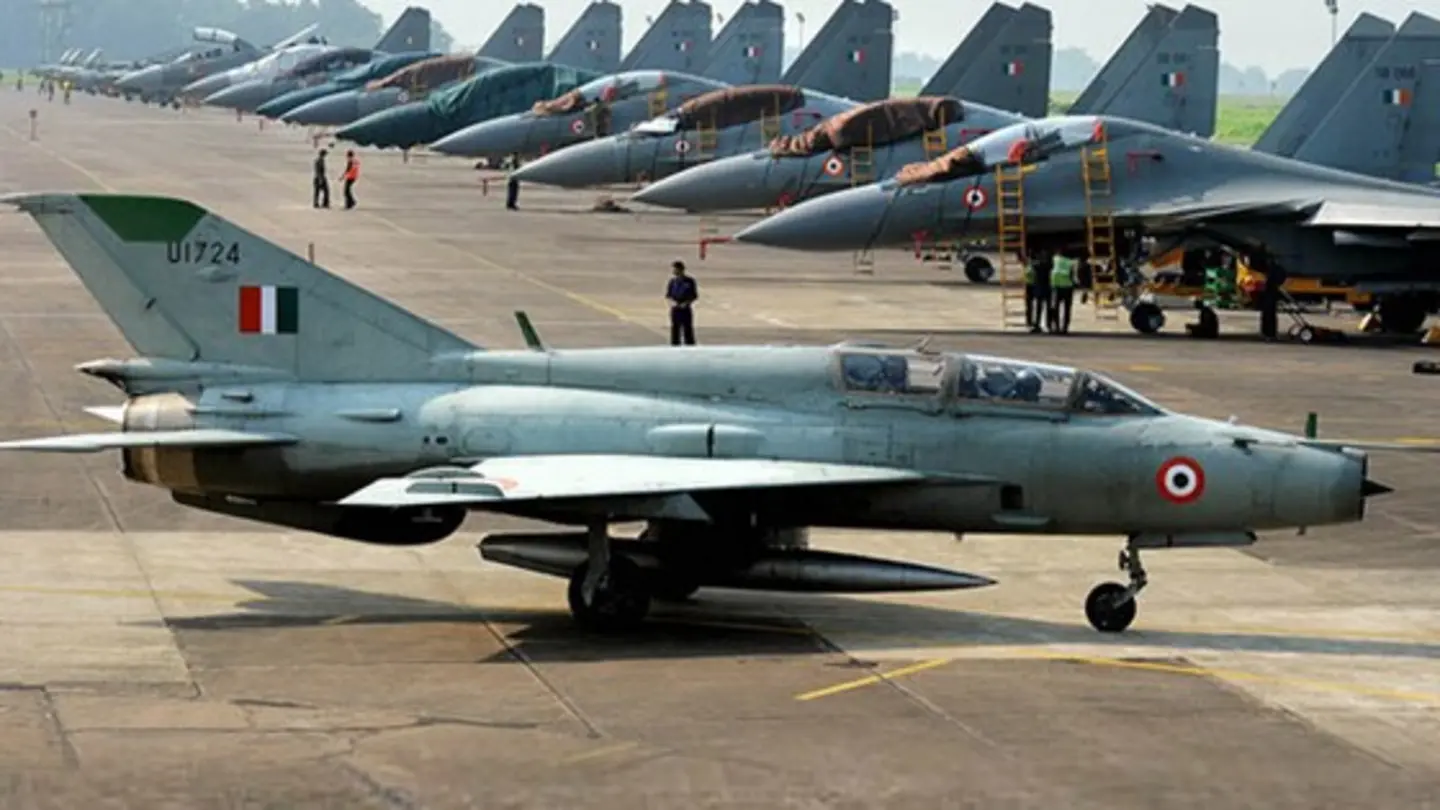
After decades of service, the Indian Air Force (IAF) is phasing out the MiG-21, a Soviet-era fighter jet that became a symbol of India’s air power. The retirement marks the end of an era for the IAF, as the MiG-21 played a crucial role in numerous conflicts and operations since its induction in the 1960s. However, the aircraft’s safety record has been a subject of concern, leading to calls for its replacement.
The MiG-21, originally designed by the Soviet Union’s Mikoyan-Gurevich Design Bureau, was a supersonic jet fighter and interceptor aircraft. India was one of the largest operators of the MiG-21, with hundreds of aircraft inducted into the IAF. The aircraft saw extensive action in the 1971 Indo-Pak war, the Kargil conflict, and various other operations. It was known for its high speed, maneuverability, and affordability, making it a valuable asset for the IAF.
MiG-21’s Legacy and Controversies
Despite its contributions to India’s air defense, the MiG-21 has also been plagued by a high accident rate. Over the years, numerous MiG-21s have crashed, leading to the loss of many pilots. This has earned the aircraft the nickname “Flying Coffin” among some circles. The reasons for the accidents have been attributed to a combination of factors, including the aircraft’s age, maintenance issues, and pilot error. The IAF has been working to upgrade the MiG-21 fleet to improve its safety and operational capabilities. However, the high accident rate has persisted, raising questions about the continued use of the aircraft.
The decision to retire the MiG-21 has been driven by a need to replace the aging fleet with more modern and safer aircraft. The IAF is currently inducting new fighter jets, such as the Rafale and the Tejas, to bolster its air power. The Rafale, a French-origin multi-role fighter jet, is considered one of the most advanced aircraft in the world. The Tejas, an indigenously developed light combat aircraft, is also expected to play a key role in the IAF’s future.
Impact of Retirement
The phasing out of the MiG-21 will have a significant impact on the IAF’s operational capabilities in the short term. The aircraft has been a mainstay of the IAF for decades, and its absence will require adjustments to the force structure and deployment strategies. However, the induction of new aircraft will gradually compensate for the loss of the MiG-21. The IAF is also focusing on enhancing its training programs to ensure that pilots are well-prepared to operate the new generation of fighter jets. While the MiG-21’s journey ends, it leaves behind a complex legacy of both valor and concern, paving the way for the modernization of the Indian Air Force and a renewed focus on air safety.
Image Source: Google | Image Credit: Respective Owner