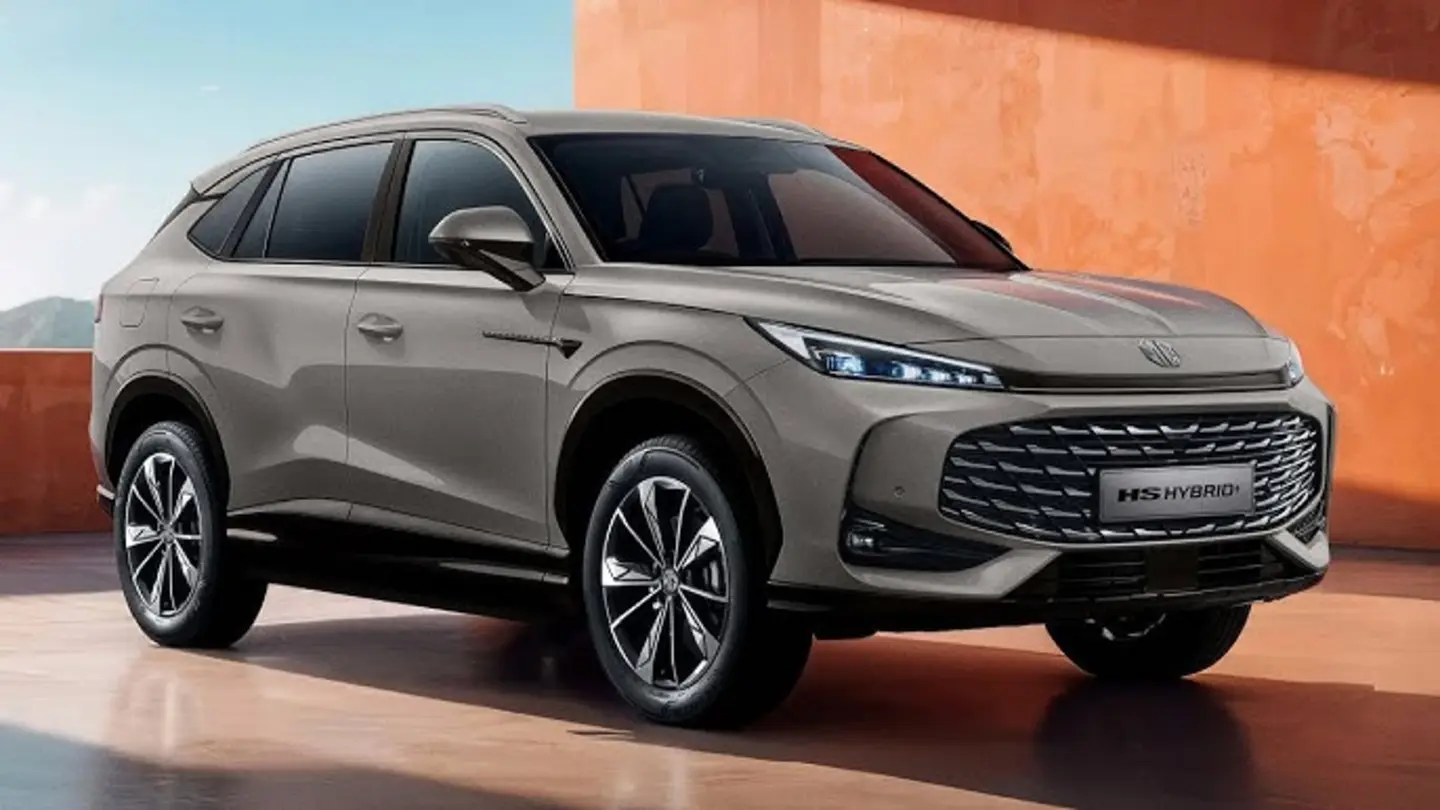
MG Motor’s latest announcement signals a significant expansion in its global lineup, with six new vehicles set to debut in 2026. Among these, a plug-in hybrid model stands out as a strategic move toward electrification. The introduction of these vehicles underscores MG’s commitment to blending performance with sustainability. Industry experts highlight the plug-in hybrid as a critical offering, aligning with global trends toward reduced emissions. This approach not only caters to eco-conscious consumers but also positions MG as a competitor in the rapidly evolving automotive sector.
Plug-In Hybrid Innovation
The plug-in hybrid offered by MG integrates advanced battery technology with a hybrid powertrain. This design allows drivers to operate on electric power for short distances before seamlessly switching to conventional fuel modes. The hybrid system is expected to provide a balance between range anxiety and fuel efficiency. MG’s engineering team has reportedly focused on optimizing energy recovery during braking, enhancing overall fuel economy. Potential buyers may see this model as a middle-ground option between fully electric and traditional vehicles.
Beyond the plug-in hybrid, the lineup includes electric SUVs, compact sedans, and luxury-focused options. Each vehicle targets specific market segments, from cost-sensitive first-time buyers to premium car enthusiasts. The timing of the launch—closer to 2026—allows MG to leverage advancements in battery technology and charging infrastructure. Analysts suggest this could give MG a competitive edge in markets where EV adoption is still growing.
Global Market Implications
MG’s decision to launch multiple models in 2026 reflects its aggressive growth strategy. Countries in Europe, Asia, and North America are key markets for these vehicles. The company has already established a presence in China, where EVs dominate. However, entering European markets with hybrid options may help MG navigate varying regulatory requirements. The plug-in hybrid, in particular, could address concerns about range limitations in regions with underdeveloped charging networks.
Competitors like Toyota and Hyundai are also investing heavily in hybrid technology. MG’s entry into this space could intensify competition. However, the brand’s lower pricing compared to luxury automakers may attract budget-conscious buyers. The success of these models will depend on MG’s ability to maintain quality while keeping costs down.
The 2026 launch coincides with technological advancements in autonomous driving and connectivity features. While MG has not yet detailed these aspects for the new models, industry speculation suggests integration of semi-autonomous features and over-the-air software updates. Such features could differentiate MG’s vehicles in a saturated market.
Consumer reception will be critical. Early feedback on MG’s existing models in other regions indicates a mix of praise for affordability and criticism over interior quality. To succeed in 2026, MG may need to improve build quality and after-sales service. The company’s partnerships with tech firms for software development could play a role in addressing these concerns.
Financially, the launch represents a significant investment. Developing six new models requires substantial R&D and manufacturing costs. However, the potential for high sales volumes in emerging markets could offset these expenses. MG’s stock performance in recent months has been volatile, partly due to production challenges. A successful 2026 launch could stabilize investor confidence.
Environmental factors also influence the launch strategy. Stricter emissions regulations in key markets may push consumers toward hybrid and electric vehicles. MG’s hybrid offering directly responds to this trend. Additionally, global incentives for hybrid vehicle purchases could boost demand, particularly in the United States and Europe.
Looking ahead, MG’s 2026 lineup could serve as a testing ground for future technologies. The plug-in hybrid may evolve into a fully electric model in subsequent years. The company’s long-term goal appears to be a balanced transition toward electrification without alienating traditional fuel-based vehicle buyers.
In summary, MG Motor’s 2026 plans reflect a strategic shift toward diversification and sustainability. The plug-in hybrid is a pivotal element of this strategy, catering to both regulatory demands and consumer preferences. The success of these models will depend on execution, market adaptability, and competitive positioning. As the automotive industry moves toward greener technologies, MG’s 2026 portfolio could mark a turning point for the brand.
Image Source: Google | Image Credit: Respective Owner