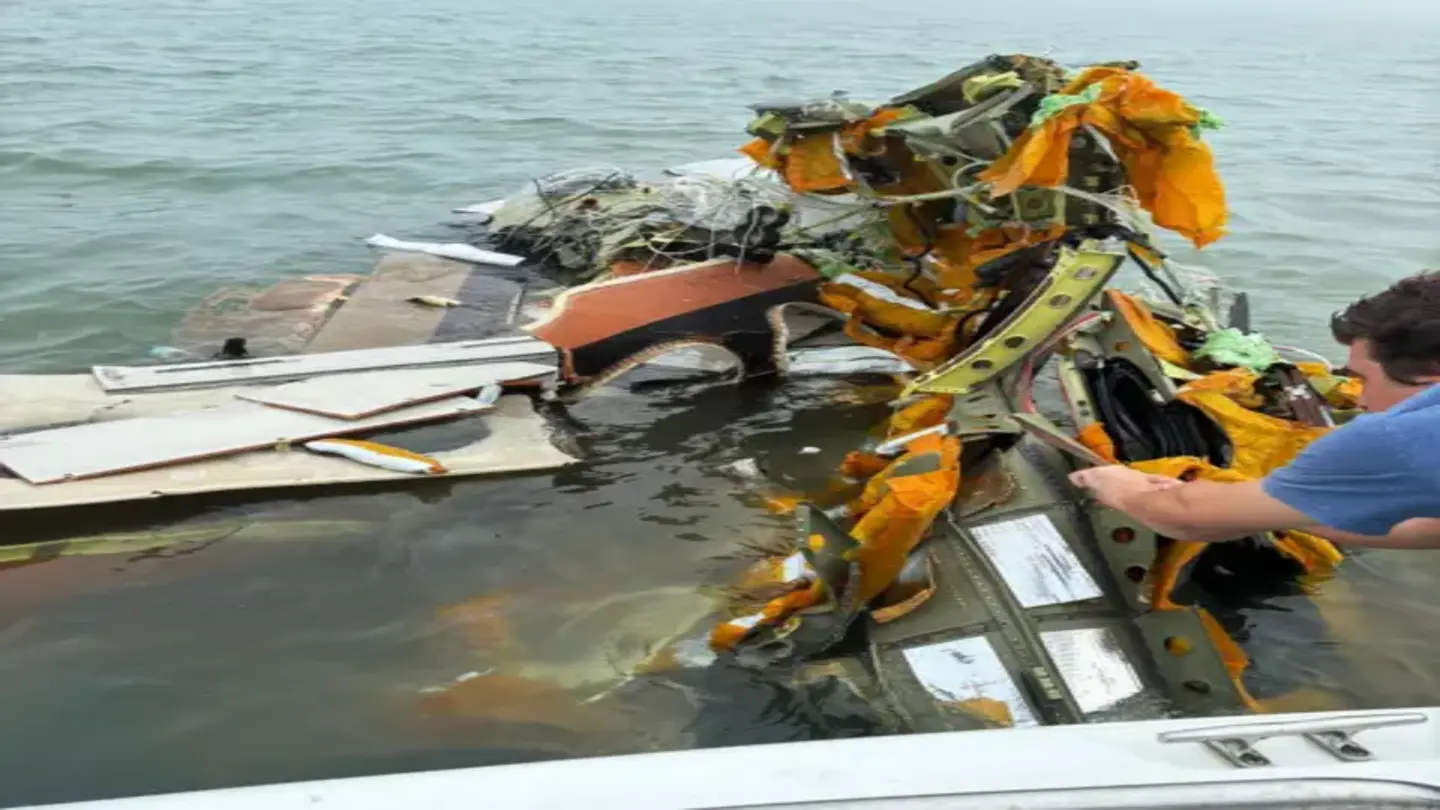
A Mexican Navy plane crashed into Galveston Bay, Texas, on Wednesday afternoon, resulting in the deaths of all five people on board. The aircraft, a Learjet 35, was transporting a burn patient from Mexico to a specialized hospital in Houston for treatment. Among the victims was a two-year-old child, according to authorities.
The crash occurred around 3:15 PM CST near Pelican Island, prompting a swift response from multiple agencies including the U.S. Coast Guard, Galveston Island Police Department, and Texas Department of Public Safety. Initial reports indicated debris scattered across a wide area of the bay, confirming a significant impact. The Coast Guard led the search and recovery operation, successfully locating the wreckage and recovering the remains of the passengers and crew.
According to the Mexican Navy, the flight originated from Tuxpan, Veracruz, Mexico. The patient was deemed to require advanced medical care unavailable in Mexico, necessitating the transfer to a Houston-area facility. The identities of the patient and the other four individuals have not been officially released by Mexican authorities, but are expected to be disclosed following notification of next of kin. The cause of the crash remains under investigation by both the Mexican Navy and the National Transportation Safety Board (NTSB).
Investigation Underway
The NTSB has dispatched a team of investigators to the crash site to determine the factors that led to the accident. They will examine the aircraft’s flight data recorder and cockpit voice recorder, if recovered, as well as analyze weather conditions and maintenance records. Preliminary assessments suggest the aircraft experienced a mechanical failure, but this has not been confirmed. Witnesses reported seeing the plane descend rapidly before impacting the water, but detailed accounts are still being gathered.
The incident has raised questions about the safety protocols surrounding medical transport flights, particularly those crossing international borders. While such transfers are common for patients needing specialized care, the crash underscores the inherent risks involved. Authorities are reviewing the flight plan and the qualifications of the crew to ensure all regulations were followed. The Mexican Navy has expressed its condolences to the families of the victims and pledged full cooperation with the investigation.
The recovery operation was complicated by the murky waters and strong currents in Galveston Bay. Divers worked diligently to locate and retrieve the wreckage, ensuring a thorough examination of the crash site. The impact of the crash on marine life is also being assessed by environmental agencies. Local officials have praised the coordinated response of the various agencies involved in the search and rescue efforts, highlighting the importance of interagency collaboration in emergency situations. The investigation is expected to take several months to complete, with a final report detailing the cause of the crash and any recommendations for preventing similar incidents in the future.
This tragedy marks a significant loss for the families involved and serves as a stark reminder of the unpredictable nature of air travel. The focus now shifts to understanding the circumstances surrounding the crash and providing support to those affected.
Image Source: Google | Image Credit: Respective Owner