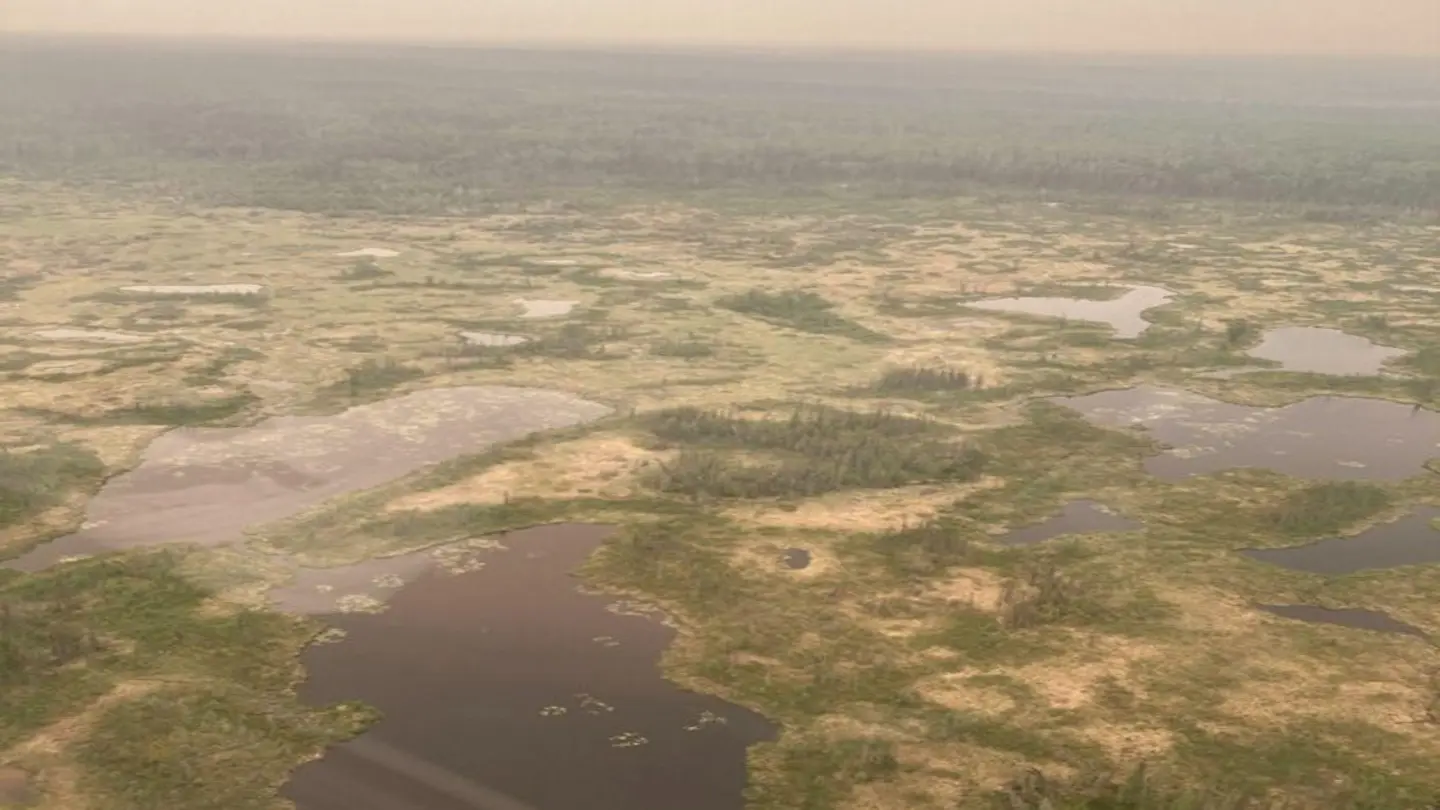
A new one-dimensional ecosystem model demonstrates remarkable accuracy in predicting multiple pathways of methane emissions while effectively constraining uncertainty. This research, published in ESS Open Archive, addresses a critical gap in understanding the complex processes driving methane release into the atmosphere. Methane, a potent greenhouse gas, plays a significant role in climate change, and accurately predicting its sources and sinks is crucial for developing effective mitigation strategies. The model’s ability to simulate diverse emission pathways with constrained uncertainty represents a significant advancement in the field of environmental science.
The study highlights the importance of incorporating various environmental factors and biogeochemical processes into predictive models. Traditional models often struggle to capture the intricate interactions between soil, water, and microbial activity that influence methane production and consumption. By integrating these factors into a one-dimensional framework, the researchers have developed a more robust and reliable tool for assessing methane emissions across different ecosystems.
Key Findings
The model’s success stems from its ability to effectively represent the key processes involved in methane cycling, including methanogenesis (methane production) and methanotrophy (methane oxidation). The researchers meticulously calibrated the model using extensive field data, ensuring that it accurately reflects real-world conditions. The constrained uncertainty further enhances the model’s utility, providing a more reliable range of possible emission scenarios.
Furthermore, the model can be used to assess the impact of various environmental changes on methane emissions. This includes factors such as temperature fluctuations, changes in water table levels, and alterations in nutrient availability. By simulating these scenarios, the researchers can gain valuable insights into how different ecosystems will respond to climate change and other anthropogenic pressures. This information is essential for developing informed policies and management strategies to mitigate methane emissions.
The implications of this research are far-reaching, extending to various fields including climate modeling, environmental management, and policy development. By providing a more accurate and reliable tool for predicting methane emissions, the study can contribute to a better understanding of the global carbon cycle and the factors that influence climate change. This improved understanding can, in turn, inform more effective mitigation strategies and help to reduce the impact of methane emissions on the environment. Further research can build on this model to explore the effect on different climate zones and different types of natural landscapes, such as wetlands and tundra.
In conclusion, the new one-dimensional ecosystem model represents a significant step forward in our ability to predict and manage methane emissions. Its accuracy, constrained uncertainty, and ability to simulate diverse emission pathways make it a valuable tool for researchers, policymakers, and environmental managers alike. As climate change continues to pose a significant threat to the planet, advances in modeling and prediction are essential for developing effective mitigation strategies and protecting the environment.
Image Source: Google | Image Credit: Respective Owner