The World Health Organization (WHO) has announced a significant reduction in measles deaths globally, with an 88% decrease since 2000. This remarkable achievement is attributed to widespread vaccination efforts over the past two decades. However, the WHO also warns of a concerning surge in measles cases in recent years, threatening to undo the progress made.
According to the WHO, while measles deaths have dramatically declined, the number of reported cases has been on the rise, particularly following disruptions to immunization programs caused by the COVID-19 pandemic. Many children missed their scheduled vaccinations, creating a vulnerable population susceptible to the highly contagious disease.
Measles: A Preventable Threat
Measles is a highly contagious viral disease that primarily affects children. It spreads through the air via respiratory droplets produced when an infected person coughs or sneezes. Symptoms typically include fever, cough, runny nose, and a characteristic rash that starts on the face and spreads throughout the body. While measles is preventable with two doses of a safe and effective vaccine, complications can be severe, leading to pneumonia, encephalitis (brain inflammation), and even death, especially in young children and individuals with weakened immune systems.
The WHO emphasizes that the recent surge in measles cases is a direct consequence of declining vaccination coverage. Factors contributing to this decline include disruptions to routine immunization services, vaccine hesitancy, and lack of access to healthcare in certain regions. The organization is urging countries to intensify their efforts to reach unvaccinated children and strengthen their immunization programs.
Global Efforts to Combat Measles
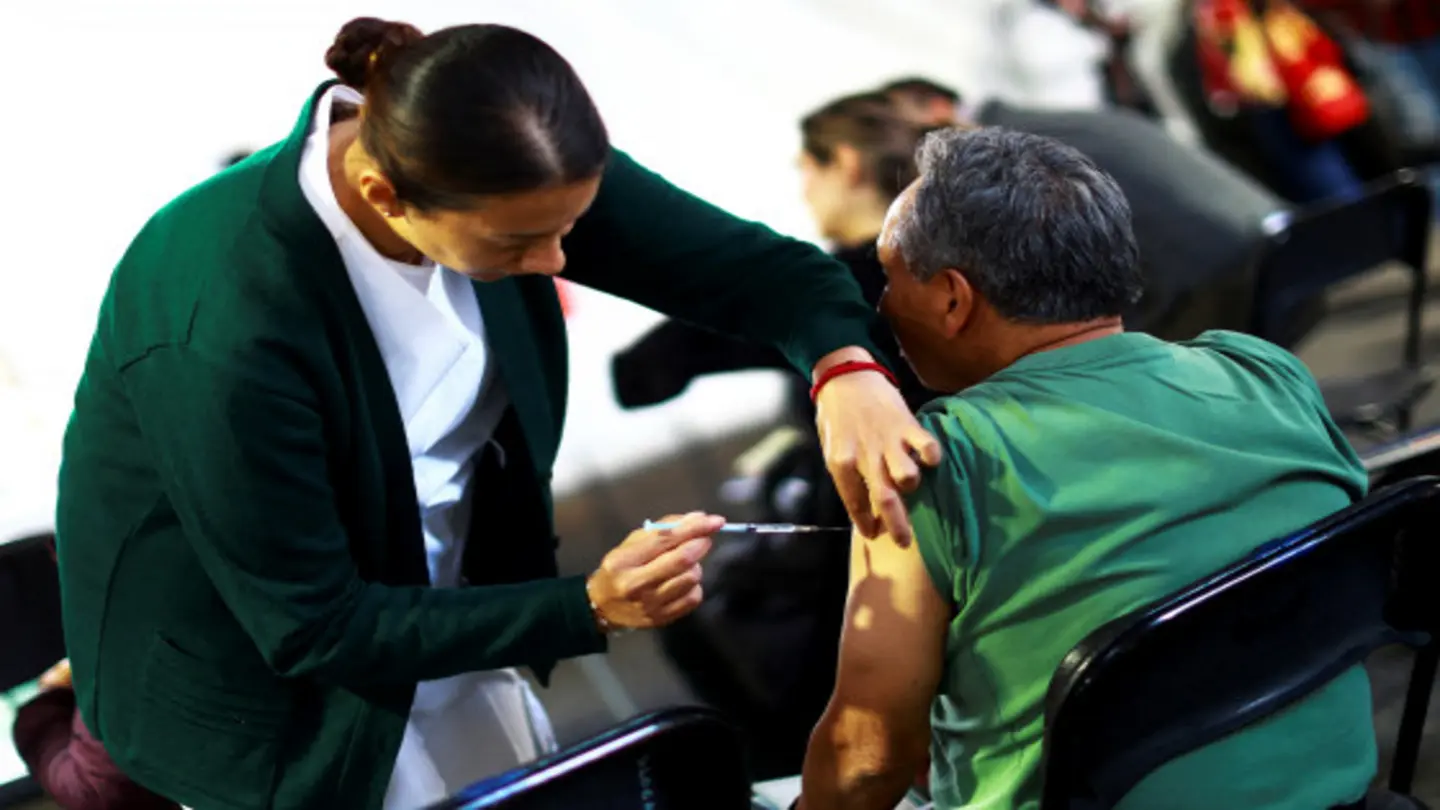
The WHO is working with countries worldwide to improve measles vaccination coverage through various strategies, including strengthening routine immunization programs, conducting catch-up vaccination campaigns, and addressing vaccine hesitancy. These efforts are crucial to preventing outbreaks and protecting vulnerable populations from the devastating consequences of measles. In addition, the WHO is promoting enhanced disease surveillance to detect and respond to outbreaks promptly.
The resurgence of measles poses a significant public health challenge, highlighting the importance of sustained vaccination efforts. The WHO underscores that achieving and maintaining high vaccination coverage is essential to eliminating measles and safeguarding the health of children worldwide. The organization calls on governments, healthcare providers, and communities to work together to ensure that all children have access to measles vaccines and are protected from this preventable disease. Failing to do so risks reversing the hard-won gains made over the past two decades and jeopardizing the health and well-being of future generations.
Image Source: Google | Image Credit: Respective Owner