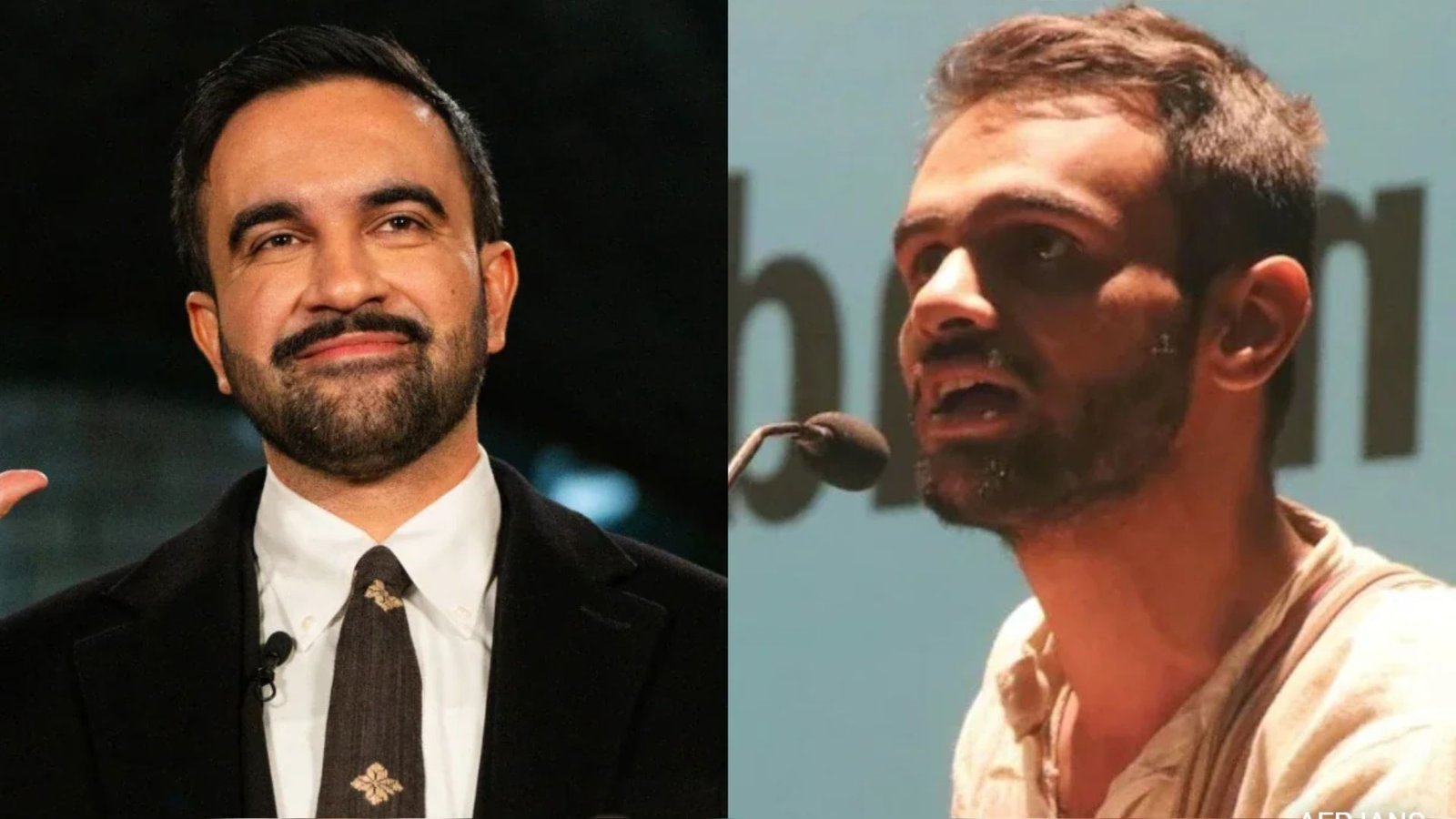
The Ministry of External Affairs (MEA) has strongly refuted a letter penned by renowned academic Mahmood Mamdani in support of activist Umar Khalid, currently facing charges under the Unlawful Activities Prevention Act (UAPA). The MEA characterized the letter as displaying “prejudice” and urged a focus on individual responsibilities regarding legal proceedings.
The strong response from the MEA came after Mamdani’s letter was circulated, expressing concerns about the treatment of Khalid and questioning the basis of the charges against him. The Ministry, in a detailed statement, countered Mamdani’s assertions, highlighting the importance of allowing the judicial process to unfold without external interference or the influence of preconceived notions.
According to the MEA, Mamdani’s letter appears to disregard established legal norms and exhibits a leaning that could potentially undermine the impartiality of the ongoing investigation and subsequent trial. Officials emphasized that the presumption of innocence is a cornerstone of the Indian legal system, but this should not preclude scrutiny of actions and accountability for any violations of the law.
The Ministry also pointedly addressed the issue of academic freedom, stating that while it is valued, it cannot be a justification for supporting individuals accused of serious offenses. External Affairs Ministry officials further added that expressing solidarity with someone accused of crimes is within the bounds of free speech, but it shouldn’t be perceived as a challenge to the legal system.
Context of the Case
Umar Khalid was arrested in September 2020 and charged under the UAPA in connection with the 2020 Delhi riots. Authorities allege that Khalid was a key conspirator in orchestrating the violence. He has been in custody for over three years, and the case has drawn significant attention from human rights organizations and legal experts.
Mamdani, a professor at Columbia University, is a well-respected scholar of African studies and postcolonial theory. His letter in support of Khalid sparked a debate about the role of academics in commenting on sensitive legal matters, particularly those involving politically charged cases. Critics argue that such interventions can be seen as attempts to influence the judiciary and obstruct justice.
The MEA’s response underscores the government’s firm stance on upholding the rule of law and ensuring that legal processes are not compromised by external pressures. It also reiterates the importance of responsible citizenship, urging individuals to respect the integrity of the judicial system and refrain from actions that could be construed as obstructing justice. This rebuttal is being viewed as a significant diplomatic and legal pushback against perceived international attempts to influence domestic legal proceedings.
The Ministry has stated it respects academic discourse, but insists on adherence to the legal framework. The case continues to proceed through the courts, and Khalid maintains his innocence. Further developments are expected as the trial progresses.
Image Source: Google | Image Credit: Respective Owner