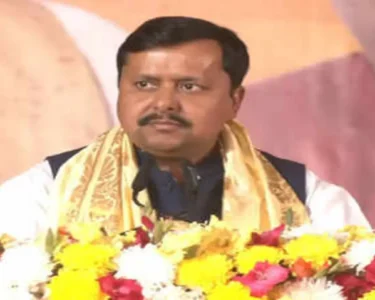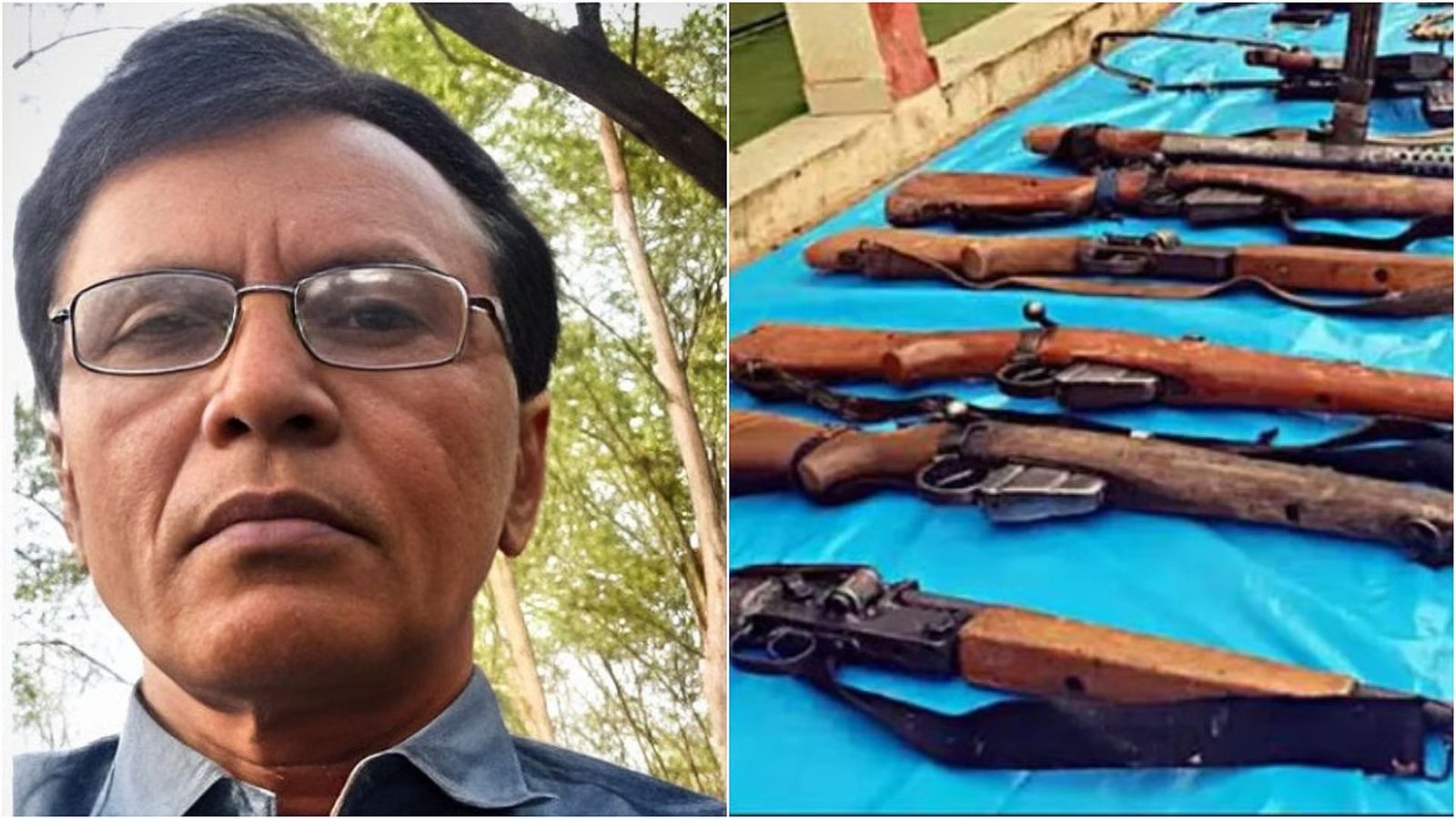
The surrender of Mallojula Venugopal Rao, a highly educated and tech-savvy Maoist leader, marks a significant development in the ongoing efforts to combat left-wing extremism in India. Rao, also known as Bhaskar, had been a key figure within the Communist Party of India (Maoist) for decades, wielding considerable influence in its strategic and operational planning. His decision to surrender is likely to have far-reaching implications for the Maoist movement, potentially weakening its organizational structure and morale.
Rao’s background sets him apart from many other Maoist leaders. He is known to be well-versed in technology and possesses a strong understanding of contemporary social and political issues. This intellectual prowess allowed him to effectively propagate the Maoist ideology and recruit new members, particularly among educated youth. His surrender therefore represents not only the loss of a seasoned commander but also the departure of a key ideologue.
Impact on Maoist Operations
The Maoist movement has been facing increasing pressure from security forces in recent years. Operations such as Operation Green Hunt, along with targeted development initiatives in Maoist-affected areas, have contributed to a decline in Maoist influence. Rao’s surrender is a further blow to the Maoists, as he possessed intimate knowledge of their operational strategies, logistical networks, and leadership structure. This information could prove invaluable to security agencies in their efforts to dismantle the Maoist network.
Furthermore, Rao’s surrender may encourage other disillusioned Maoist cadres to lay down their arms. The Maoist ideology, which once resonated with marginalized communities, has lost some of its appeal in recent years. The government’s focus on development and social justice, coupled with the increasing violence perpetrated by Maoist groups, has led to a decline in public support for the movement. By surrendering, Rao may be signaling to other Maoists that there is a viable alternative to armed struggle.
The Road Ahead
While Rao’s surrender is a positive development, it is important to recognize that the Maoist problem is far from over. The Maoist movement still maintains a presence in several states, and it continues to pose a threat to peace and security. The government must continue to pursue a multi-pronged approach to address the Maoist issue, combining security operations with development initiatives and social justice programs. It is also crucial to rehabilitate surrendered Maoists and provide them with opportunities to reintegrate into society.
The surrender of Mallojula Venugopal Rao represents a strategic victory in the fight against Maoism. His decision to abandon the path of violence offers a glimmer of hope for a more peaceful and prosperous future for the affected regions. However, sustained efforts are needed to consolidate these gains and ensure that the Maoist movement is effectively neutralized.
Image Source: Google | Image Credit: Respective Owner