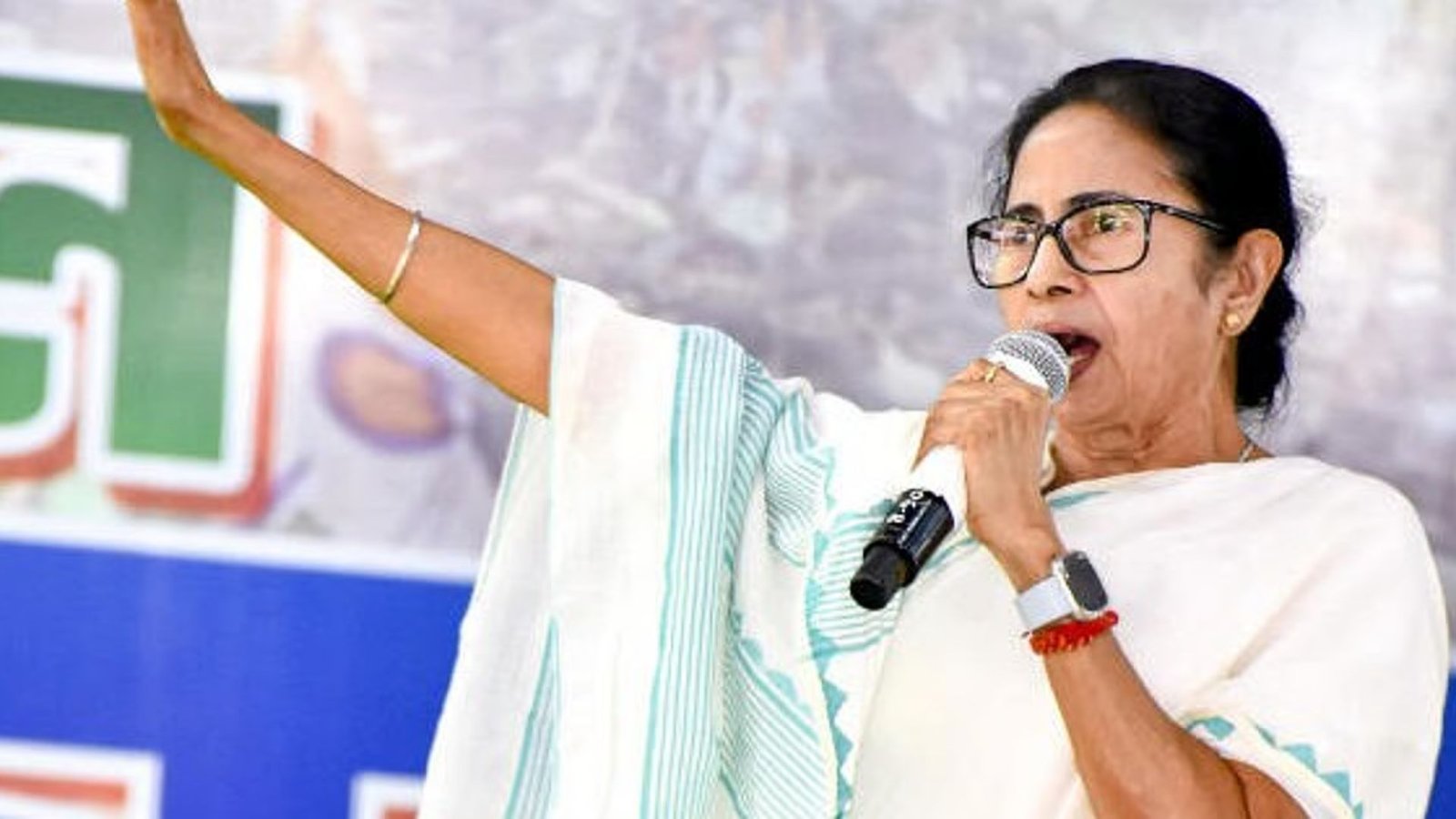
Bengal Chief Minister Mamata Banerjee has demanded a public apology from the Prime Minister following a controversial remark made during a Lok Sabha session regarding renowned 19th-century author Bankim Chandra Chattopadhyay, fondly referred to as “Bankim da” in India.
During a heated parliamentary debate, the Prime Minister reportedly used a colloquial reference to Bankim Chandra while discussing cultural heritage, drawing immediate backlash from Banerjee. The comment was perceived as disrespectful by the West Bengal government and sections of the intellectual community.
Banerjee, speaking to reporters after the session, stated that such remarks undermine national icons and requested the Prime Minister to “withdraw his words immediately” and apologize for the perceived insensitivity. She emphasized Bankim Chandra’s lasting contributions to Indian literature and nationalism through works like “Vande Mataram”.
The incident has sparked a broader political conversation about respect for historical figures. Senior Congress leader Adhir Ranjan Chowdhury supported Banerjee’s demand, calling the remark “unbecoming of a prime minister”. BJP spokespeople, however, defended the comment as a casual cultural reference, claiming it was made in “good spirits”.
Bankim Chandra Chattopadhyay (1838-1894) remains a towering figure in Bengali literature and Indian identity. His novel “Anandamath” inspired many freedom fighters, and the Vande Mataram anthem later became India’s national song. Political analysts suggest the controversy reflects deeper tensions between India’s cultural diversity and centralized governance.
The Prime Minister has not yet formally responded to the apology demand. Parliamentary proceedings continue amid heightened political rhetoric, with opposition parties planning to raise the issue during upcoming debates. Intellectuals and historians have weighed in, emphasizing the importance of preserving dignified discourse around national heritage figures.
Banerjee’s swift reaction highlights her strategic focus on cultural politics ahead of upcoming state elections. The West Bengal government has previously positioned itself as a guardian of Bengali heritage against perceived northern Indian cultural dominance. This latest dispute follows similar controversies involving historical references in national narratives.
Meanwhile, social media platforms have been divided, with users debating whether the remark constituted genuine disrespect or amounted to political oversensitivity. Hashtags supporting both sides have trended nationally, demonstrating the polarized nature of contemporary Indian political discourse.
Observers note that this incident occurs during a period of increased scrutiny over how historical figures are portrayed in public discourse. Recent educational curriculum revisions and memorial controversies have amplified debates about India’s historical narrative. The Bankim Chandra dispute may serve as a bellwether for future discussions about balancing political expression with cultural reverence.
As the story develops, potential consequences remain uncertain. Parliamentary committees might examine the remark’s context, while public interest litigation could be filed demanding formal apology proceedings. The outcome maySetting a precedent for how political leaders address national icons in future debates.
Image Source: Google | Image Credit: Respective Owner