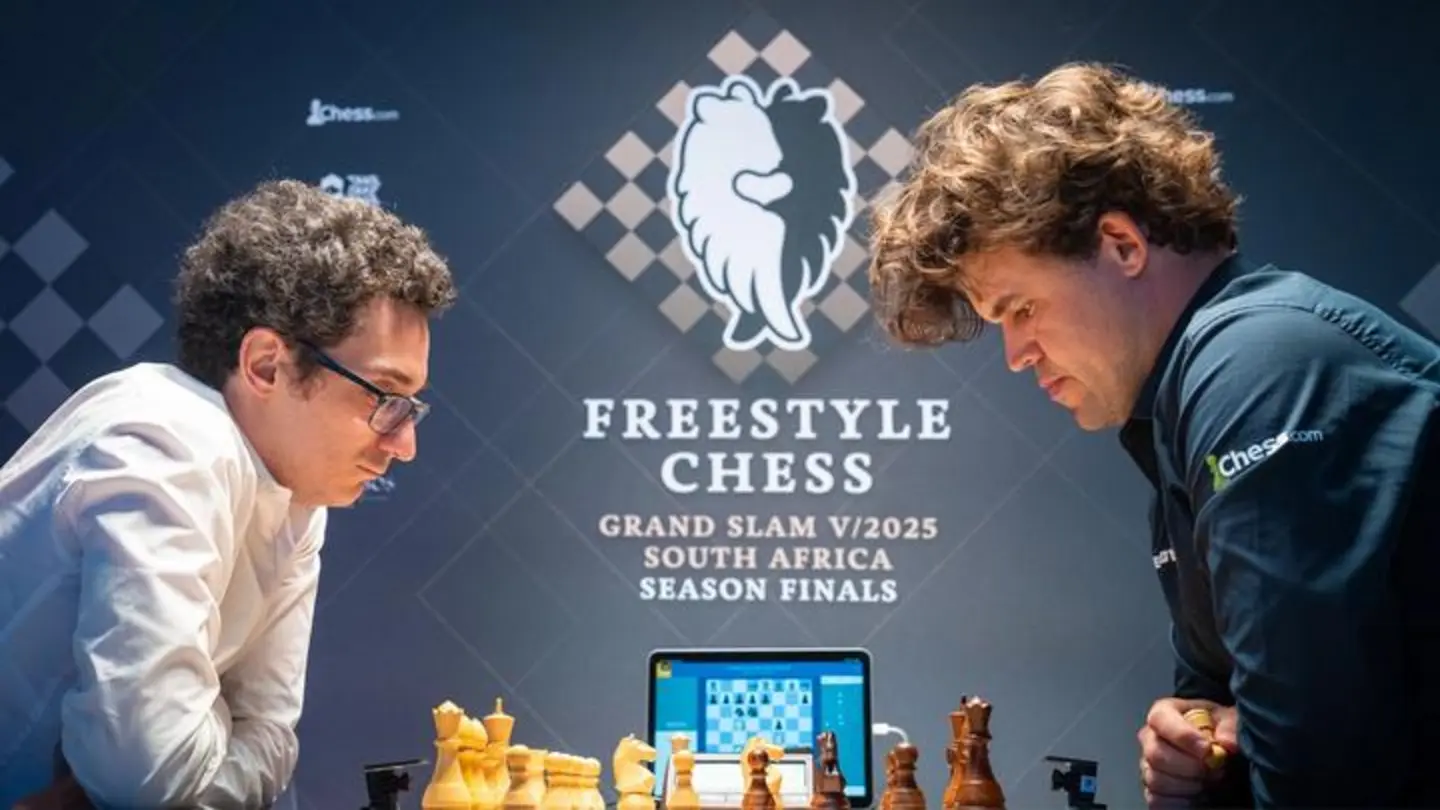
The inaugural FIDE Freestyle Chess World Championship is scheduled for later this year, sparking anticipation that Magnus Carlsen may add another world title to his collection. The Norwegian legend, a five-time classical world champion, is among the top entrants. According to Chess.com’s preview, the novel format could reshape competitive chess, and Carlsen’s participation brings immediate credibility.
Understanding the Freestyle Format
Freestyle chess, created by FIDE, merges classical, rapid, and blitz elements. A key feature is limited access to opening databases or engine assistance during play. While rules are still finalized, the format aims to test strategic depth, tactical sharpness, and adaptability. Seen as a testbed for future FIDE events, it bridges traditional chess and the digital era.
Carlsen’s Motivation and Legacy
At 33, Carlsen has amassed nearly every major chess title. Since ceding the classical world championship to Ding Liren in 2023, he has pursued new challenges. The Freestyle World Championship presents an opportunity to become its first champion, a format that could become a professional staple. Carlsen has praised innovative formats for keeping the game dynamic and testing a wider skill set. His meticulous preparation and relentless drive indicate he will tackle this event with his characteristic intensity.
The Challenging Field
Carlsen enters as the favorite, but faces a strong field. Defending classical champion Ding Liren seeks to prove his versatility. Ian Nepomniachtchi, the Russian who narrowly lost to Carlsen in past world matches, offers strategic depth. Rising stars Alireza Firouzja (France) and Praggnanandhaa R (India) excel in faster controls and could adapt well. Former champions Viswanathan Anand and Vladimir Kramnik may join, enriching a diverse and experienced lineup.
The championship matters beyond the title. It reflects FIDE’s push to modernize chess, attract youth, and integrate technology while preserving its intellectual core. Success could spark new tournament models and affect the classical world championship cycle. For Carlsen, winning would cement his status as the most adaptable player of his era, strengthening his GOAT case. Critics warn that engine assistance may compromise pure human competition, but early player feedback is largely supportive.
As the start date approaches, speculation mounts about how Carlsen’s unique strengths will translate to this experimental format. His exceptional endgame technique, psychological resilience, and ability to squeeze wins from equal positions could be decisive. Yet the freestyle element introduces unpredictability, opening the door for upsets. One thing is certain: this historic championship will captivate chess fans worldwide and may mark a turning point in the evolution of the sport.
Image Source: Google | Image Credit: Respective Owner