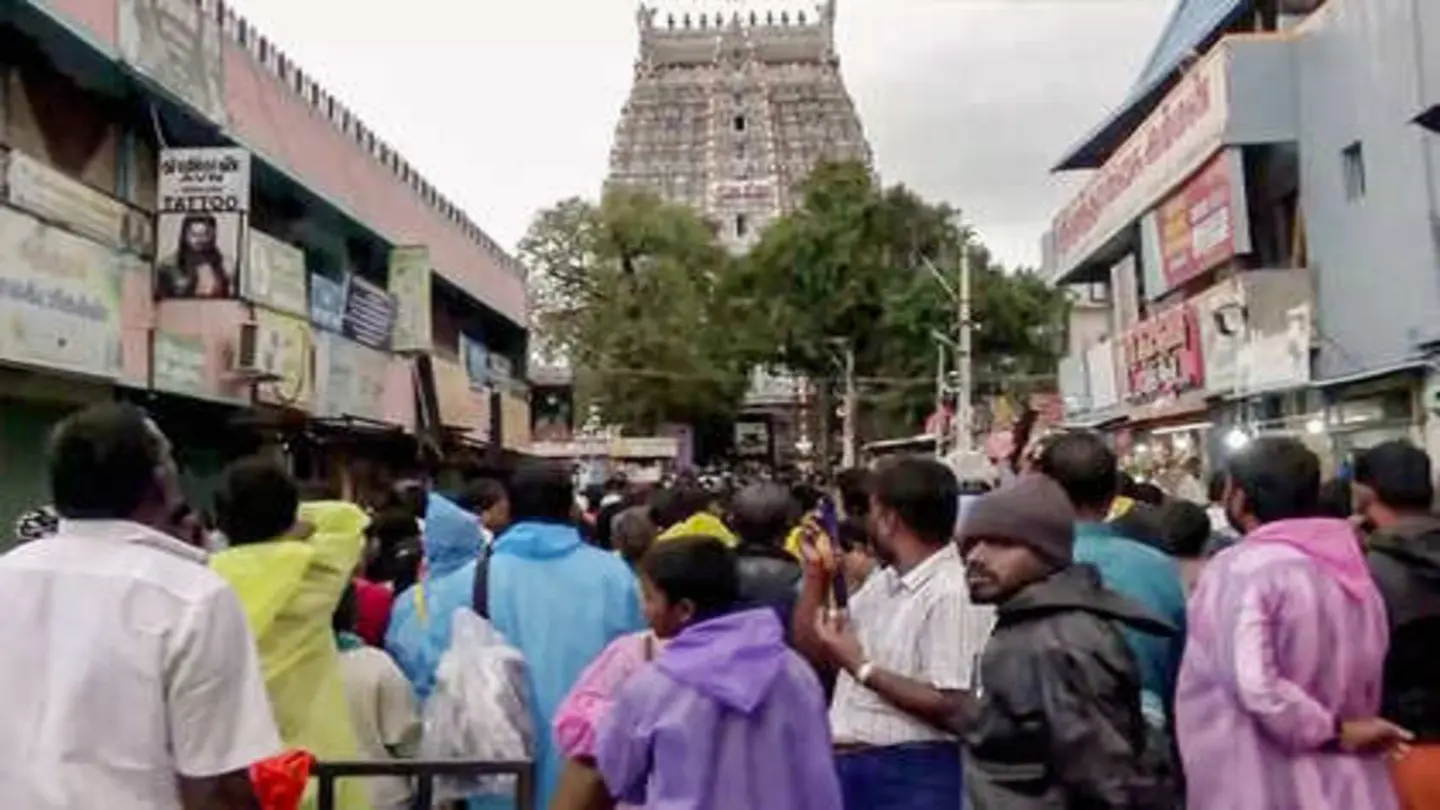
A Division Bench of the Madras High Court has reserved its verdict on appeals concerning the Thiruparankundram temple lamp lighting case, marking a critical juncture in a dispute that touches upon religious practice, public safety, and administrative authority. The case centers on the centuries-old ritual of lighting lamps at the Thiruparankundram temple and the legal challenges that arose following regulatory interventions.
The litigation traces its origins to local administrative actions that sought to regulate or restrict the traditional lamp lighting practice, citing safety concerns and the need to maintain public order. These measures provoked strong reactions from the temple authorities and devotees, who argued that the restrictions infringed upon their religious freedoms and disrupted longstanding customs integral to their worship.
The case swiftly moved through the judicial hierarchy, with a single judge initially ruling on the matter. The verdict prompted appeals from both sides, culminating in the Division Bench hearing extensive arguments from the parties involved. Senior advocates representing the appellants emphasized the constitutional protections for religious practices and the historical significance of the lamp lighting ritual at the hill temple.
Conversely, lawyers for the state and temple administration contended that the regulations were necessary to prevent accidents and manage large gatherings during festivals. They maintained that reasonable restrictions could be imposed without diluting the essence of the religious practice, pointing to broader public interest considerations.
During the proceedings, the Bench raised pointed questions about the scope of religious rights under Article 25 and 26 of the Constitution and the extent to which the state could intervene in matters of temple management. The judges examined precedents and sought detailed submissions on whether the restrictions amounted to an excessive entanglement of government in religious affairs.
After hearing exhaustive arguments from all parties, the Division Bench chose to reserve its judgment, indicating the complexity of the legal questions at hand. The decision to defer the ruling suggests that the court is meticulously weighing the competing claims of religious freedom and regulatory oversight. Legal experts anticipate that the judgment could set a significant precedent for similar disputes involving religious institutions and state-imposed regulations.
The case has garnered considerable public attention, reflecting the deep cultural and spiritual connections that communities share with temple traditions in Tamil Nadu. Temple authorities and devotees await the final verdict with bated breath, hoping for a resolution that respects both their faith and contemporary administrative needs.
Image Source: Google | Image Credit: Respective Owner