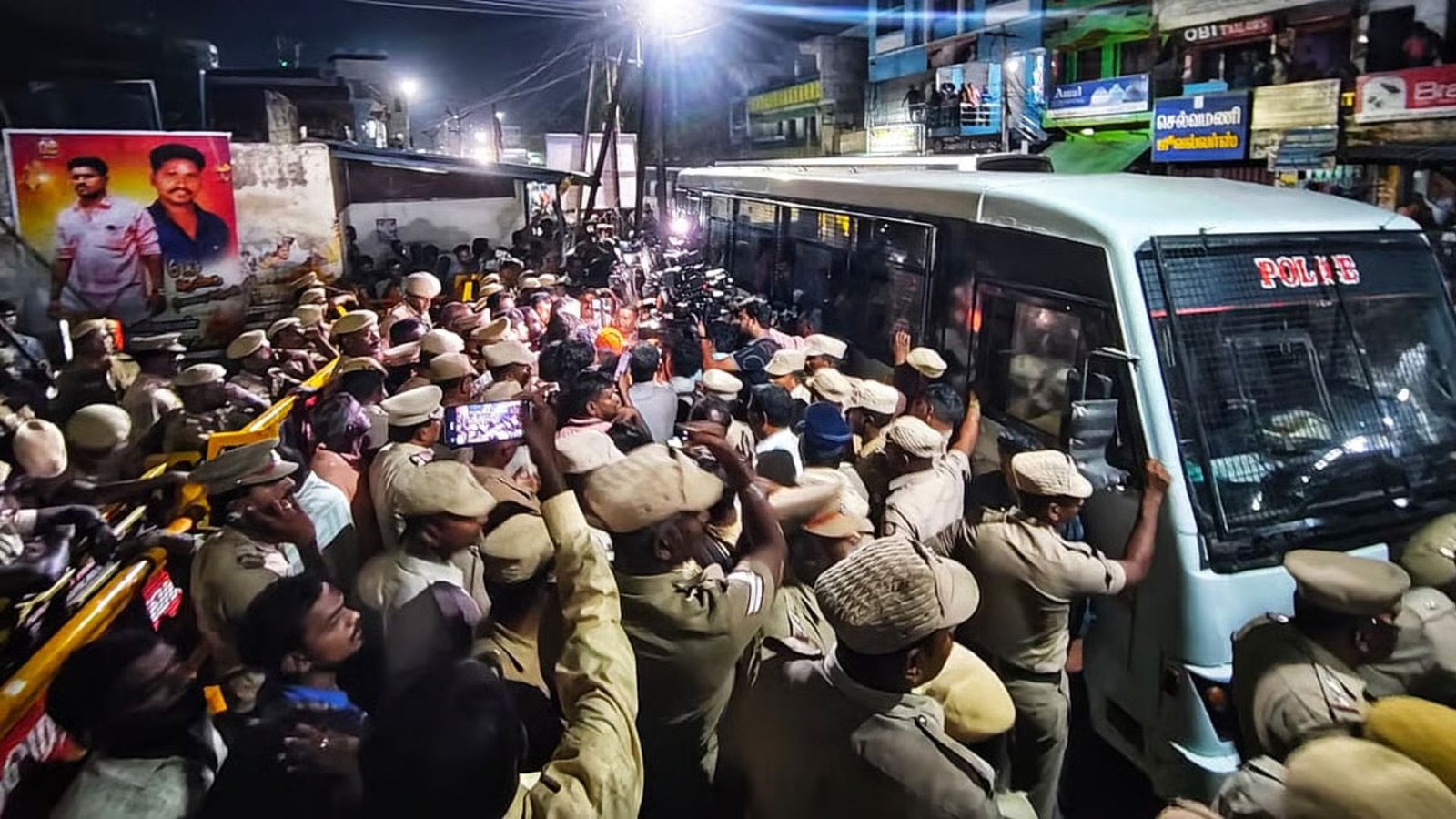
The Madras High Court has directed the Tamil Nadu state government to allow the lighting of a lamp in the Thiruparankundram hills immediately. This directive comes as the court quashed certain orders that had previously restricted this practice. The case, which garnered significant attention, centered on the customary and religious practices associated with the hilltop shrine.
The petitioner argued that the lighting of the lamp was a long-standing tradition, deeply rooted in the local culture and religious beliefs. They contended that the restrictions imposed by the state government infringed upon their fundamental right to practice their religion freely. Conversely, the state government had cited concerns related to environmental protection and the potential for fire hazards as the reasons for imposing the ban.
Court’s Observations
After hearing arguments from both sides, the Madras High Court sided with the petitioner. The court emphasized the importance of preserving religious traditions and customs, provided they do not pose a significant threat to public order, health, or morality. Justice Anand Venkatesh, who presided over the case, noted that the state had not presented sufficient evidence to demonstrate that the lighting of the lamp would cause irreparable damage to the environment or pose an imminent fire risk. The court also took into consideration the fact that similar practices were allowed in other religious sites across the state.
The court further directed the state government to formulate guidelines to regulate the lighting of lamps in the Thiruparankundram hills. These guidelines should ensure that the practice is carried out in a safe and environmentally responsible manner. The court suggested that the guidelines could include measures such as designated areas for lighting lamps, restrictions on the type of materials used, and the presence of fire safety personnel during the event.
Impact of the Ruling
This ruling is expected to be met with jubilation by devotees and local residents who have long sought the restoration of this tradition. It underscores the judiciary’s role in balancing religious freedom with environmental concerns and public safety. The state government is now tasked with implementing the court’s directives and ensuring that the lighting of the lamp can resume without delay, while also safeguarding the environment.
The Madras High Court’s decision reflects a nuanced understanding of the interplay between religious practices and state regulations. By quashing the previous restrictions and directing the state to formulate guidelines, the court has paved the way for a harmonious resolution that respects both religious sentiments and environmental considerations. The immediate implementation of this order is eagerly anticipated by the local community.
Image Source: Google | Image Credit: Respective Owner