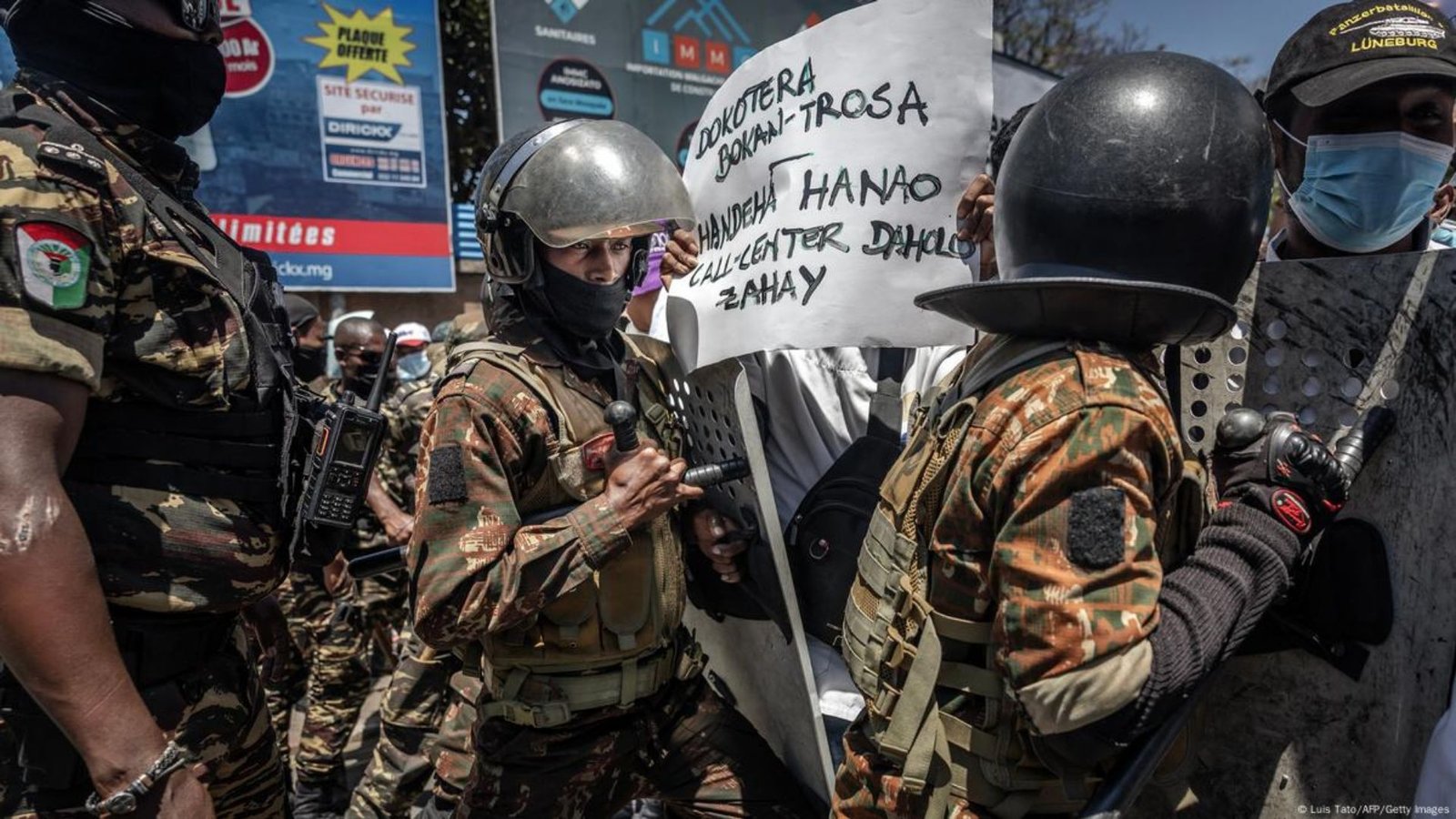
A wave of political upheaval, seemingly fueled by the engagement of Gen Z, has reached Madagascar, marking another instance of a government facing significant challenges amidst growing youth activism. Recent reports suggest that public dissatisfaction, particularly among the younger generation, has played a crucial role in destabilizing the existing political order. This event underscores the increasing influence of Gen Z in shaping political landscapes across the globe, particularly in Africa.
The Rise of Youth Influence
Gen Z, known for their digital fluency and social awareness, are increasingly leveraging social media and online platforms to voice their concerns and mobilize collective action. In Madagascar, this has translated into heightened scrutiny of government policies and a demand for greater transparency and accountability. The toppling of the government highlights the power of this demographic to effect change, challenging traditional power structures and demanding a seat at the table.
The specific triggers for the unrest in Madagascar are complex and multifaceted, likely encompassing issues of economic inequality, corruption, and a perceived lack of opportunity for young people. These grievances, amplified through social media, have coalesced into a potent force capable of disrupting the status quo. The events in Madagascar serve as a reminder to governments worldwide of the importance of addressing the needs and concerns of their youth populations.
Implications for African Politics
This development in Madagascar is not an isolated incident. Across Africa, young people are becoming increasingly politically active, demanding greater participation in decision-making processes and holding their leaders accountable. This trend presents both opportunities and challenges for the continent. On one hand, it could lead to more responsive and inclusive governance. On the other hand, it could also create instability if governments fail to adapt to the changing dynamics.
Analysts suggest that governments in Africa must prioritize investments in education, job creation, and youth empowerment programs to effectively harness the potential of Gen Z and address their concerns. Furthermore, fostering open dialogue and creating platforms for young people to engage with policymakers are crucial steps towards building more stable and prosperous societies. The situation in Madagascar serves as a wake-up call, urging African leaders to proactively engage with the youth and address the root causes of their discontent. The future of African politics may well depend on how effectively governments respond to the demands of this emerging generation.
The situation remains fluid, and the long-term consequences of the recent events in Madagascar are yet to be seen. However, one thing is clear: Gen Z is a force to be reckoned with, and their influence will continue to shape the political landscape in Africa and beyond.
Image Source: Google | Image Credit: Respective Owner