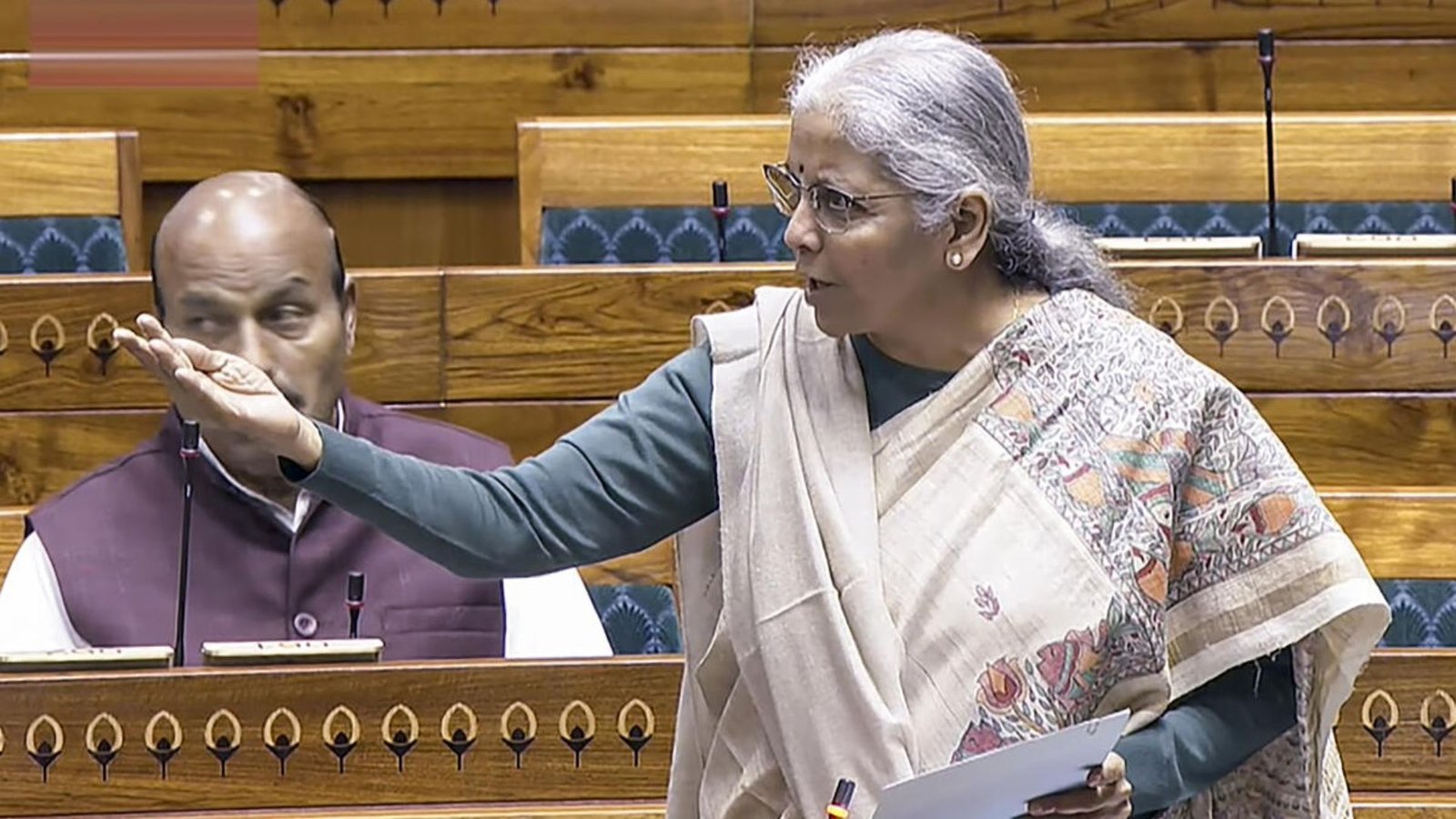
The Lok Sabha witnessed a productive third day of the Winter Session, marked by the passage of the Central Excise (Amendment) Bill. This legislative move is significant as it empowers the government to levy taxes on tobacco and related products. The bill aims to streamline the taxation process and enhance revenue collection from the tobacco industry, a sector often scrutinized for its impact on public health.
Key Provisions of the Bill
The Central Excise (Amendment) Bill introduces specific amendments to the existing excise laws, focusing on the taxation of tobacco. The amendments provide clarity on the definition of tobacco products subject to taxation, ensuring a broader coverage that includes various forms of tobacco consumption. Furthermore, the bill outlines the procedures for assessing and collecting excise duties on tobacco, aiming to minimize tax evasion and improve compliance.
The passage of this bill reflects the government’s commitment to addressing public health concerns associated with tobacco use. By increasing the tax burden on tobacco products, the government hopes to discourage consumption and reduce the prevalence of tobacco-related diseases. The revenue generated from these taxes can be further utilized to fund public health initiatives and awareness campaigns aimed at promoting a healthier lifestyle.
Debate and Discussion
The bill was presented before the Lok Sabha and underwent thorough debate and discussion among the members of parliament. Various perspectives were shared regarding the potential impact of the bill on the tobacco industry, farmers involved in tobacco cultivation, and consumers. Amendments were proposed and considered before the bill was finally passed by a majority vote.
Members of the ruling party emphasized the importance of the bill in promoting public health and generating revenue for the government. Opposition members raised concerns about the potential impact on the livelihoods of tobacco farmers and the need for alternative livelihood options. The government addressed these concerns by highlighting its commitment to supporting tobacco farmers through various schemes and initiatives aimed at diversification and sustainable agriculture.
Impact and Future Implications
The passage of the Central Excise (Amendment) Bill is expected to have a significant impact on the tobacco industry and consumers. The increased tax burden may lead to higher prices for tobacco products, potentially discouraging consumption. The revenue generated from these taxes will provide the government with additional resources to invest in public health and other developmental initiatives.
The bill also sets a precedent for future legislative measures aimed at regulating industries that have a significant impact on public health. It demonstrates the government’s willingness to take bold steps to address health concerns and promote a healthier society. The effective implementation of the bill will be crucial in achieving its intended objectives and ensuring a positive impact on public health outcomes.
The successful passage of the Central Excise (Amendment) Bill underscores the importance of parliamentary proceedings in shaping policies that affect the lives of citizens. The debates and discussions surrounding the bill reflect the diverse perspectives and concerns of various stakeholders, highlighting the need for a balanced approach that considers both economic and social factors. The government’s commitment to addressing public health concerns through legislative measures is a welcome step towards building a healthier and more prosperous nation.
Image Source: Google | Image Credit: Respective Owner