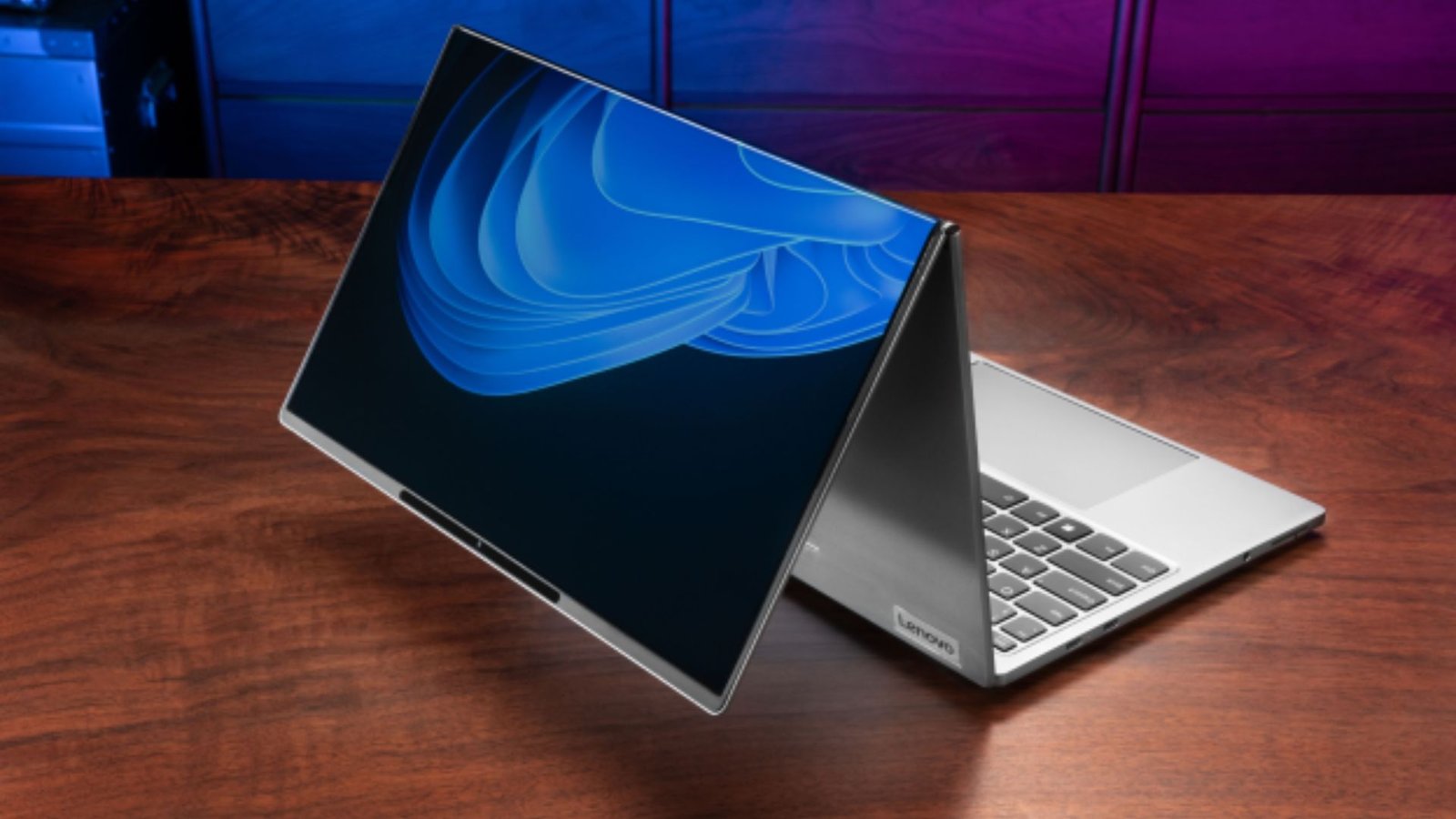
Lenovo has announced significant price increases for its PC products across North America, attributing the surge to ongoing global memory shortages. The decision impacts both consumer and business divisions, with retailers and distributors facing pass-through costs from strained supply chains.
The semiconductor crisis, exacerbated by geopolitical tensions and pandemic-era demand spikes, has limited the availability of critical components like DRAM and NAND flash memory. These constraints follow earlier disruptions in the automotive and industrial sectors, now reverberating through consumer electronics.
Supply Chain Challenges and Strategic Responses
Lenovo’s North American partners report receiving price adjustment notices as early as January 2024, with increases ranging from 8% to 15% on select laptop models. Executives stated that partial cost absorption remains a priority to maintain market share, though distributors like Ingram Micro and AKG Worldwide now bear higher procurement expenses.
Industry analysts suggest Lenovo’s strategy reflects a broader pattern among tech manufacturers confronting similar bottlenecks. The company has intensified partnerships with contract manufacturers in Southeast Asia to offset shortages, while competitors like HP and Dell have implemented comparable pricing adjustments in recent quarters.
Consumer demand for high-performance portable devices, driven by hybrid work trends and AI software adoption, has intensified competition for limited chip inventories. This dynamic mirrors broader trends observed in the gaming and data center markets, where memory-intensive workloads strain global inventories.
While Lenovo acknowledges the temporary nature of the adjustment period, competitors warn of prolonged pricing pressures amid underinvestment in semiconductor fabrication facilities. The situation highlights vulnerabilities in just-in-time manufacturing models that emerged during post-pandemic economic realignments.
Market observers note that industrial customers may face the most severe repercussions, as embedded memory modules in automation systems could see extended lead times. The ripple effects on small-business IT budgets and enterprise refresh cycles remain a key concern for financial analysts tracking the sector’s recovery.
As negotiations continue between manufacturers and memory suppliers, industry groups urge policymakers to address long-term investments in domestic chip production infrastructure. Meanwhile, consumers can expect sustained pricing stability in premium computing segments until mid-2024 at earliest.
Image Source: Google | Image Credit: Respective Owner