A concerning trend is emerging in the realm of geriatric health: the increasing frequency of late-stage dementia diagnoses. This phenomenon raises critical questions about early detection, diagnostic accuracy, and the distinctions between various forms of dementia, particularly Alzheimer’s disease. Understanding these nuances is crucial for effective patient care and management.
Understanding Dementia and Alzheimer’s
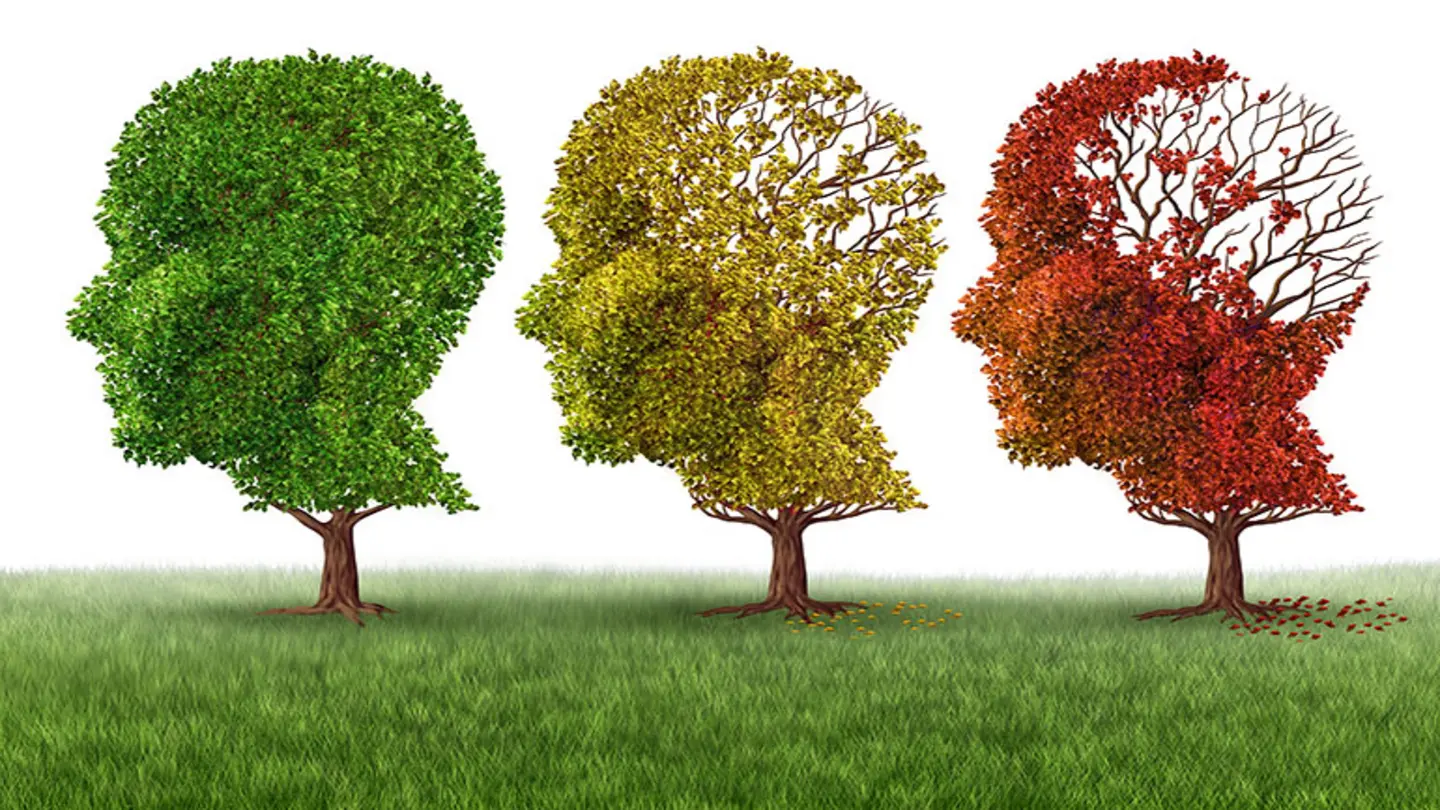
Dementia is not a single disease but rather an umbrella term encompassing a range of cognitive impairments that significantly interfere with daily life. These impairments can affect memory, thinking, behavior, and the ability to perform everyday tasks. Alzheimer’s disease is the most common cause of dementia, accounting for an estimated 60-80% of cases. It is characterized by the progressive accumulation of amyloid plaques and tau tangles in the brain, leading to neuronal damage and cognitive decline.
Other types of dementia include vascular dementia (caused by reduced blood flow to the brain), Lewy body dementia (associated with abnormal protein deposits in nerve cells), and frontotemporal dementia (affecting the frontal and temporal lobes of the brain). Each type of dementia has distinct underlying mechanisms and characteristic symptoms.
The Challenge of Late Diagnoses
The increasing prevalence of late-stage dementia diagnoses presents several challenges. Firstly, delayed detection limits the potential for early intervention. While there is currently no cure for most forms of dementia, early diagnosis allows for the implementation of strategies to manage symptoms, slow disease progression, and improve the quality of life for both patients and their caregivers. These strategies may include medication, cognitive therapies, lifestyle modifications, and supportive care services.
Secondly, late diagnoses can hinder accurate differential diagnosis. As dementia progresses, the specific symptoms may become less distinct, making it more difficult to differentiate between Alzheimer’s disease and other forms of dementia. This can have implications for treatment decisions, as different types of dementia may respond differently to specific interventions.
Distinguishing Alzheimer’s from Other Dementias
While Alzheimer’s disease is the most prevalent form of dementia, it is essential to recognize the distinctions between it and other types. Vascular dementia, for example, often presents with a more abrupt onset and may be associated with a history of stroke or cardiovascular disease. Lewy body dementia is characterized by fluctuating cognitive abilities, visual hallucinations, and Parkinsonian symptoms. Frontotemporal dementia typically affects personality, behavior, and language skills.
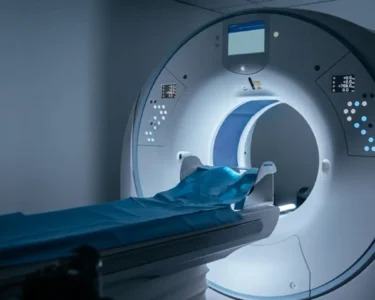
Advanced diagnostic techniques, such as brain imaging (MRI, PET scans) and cerebrospinal fluid analysis, can aid in differentiating between various types of dementia. However, these tests are not always readily available or accessible, particularly in resource-constrained settings. Furthermore, the interpretation of these tests requires specialized expertise.
The rise in late-stage dementia diagnoses underscores the need for increased awareness, improved access to diagnostic services, and ongoing research into effective treatments and prevention strategies. Early detection and accurate differential diagnosis are crucial for optimizing patient care and improving outcomes for individuals living with dementia and their families.
Image Source: Google | Image Credit: Respective Owner