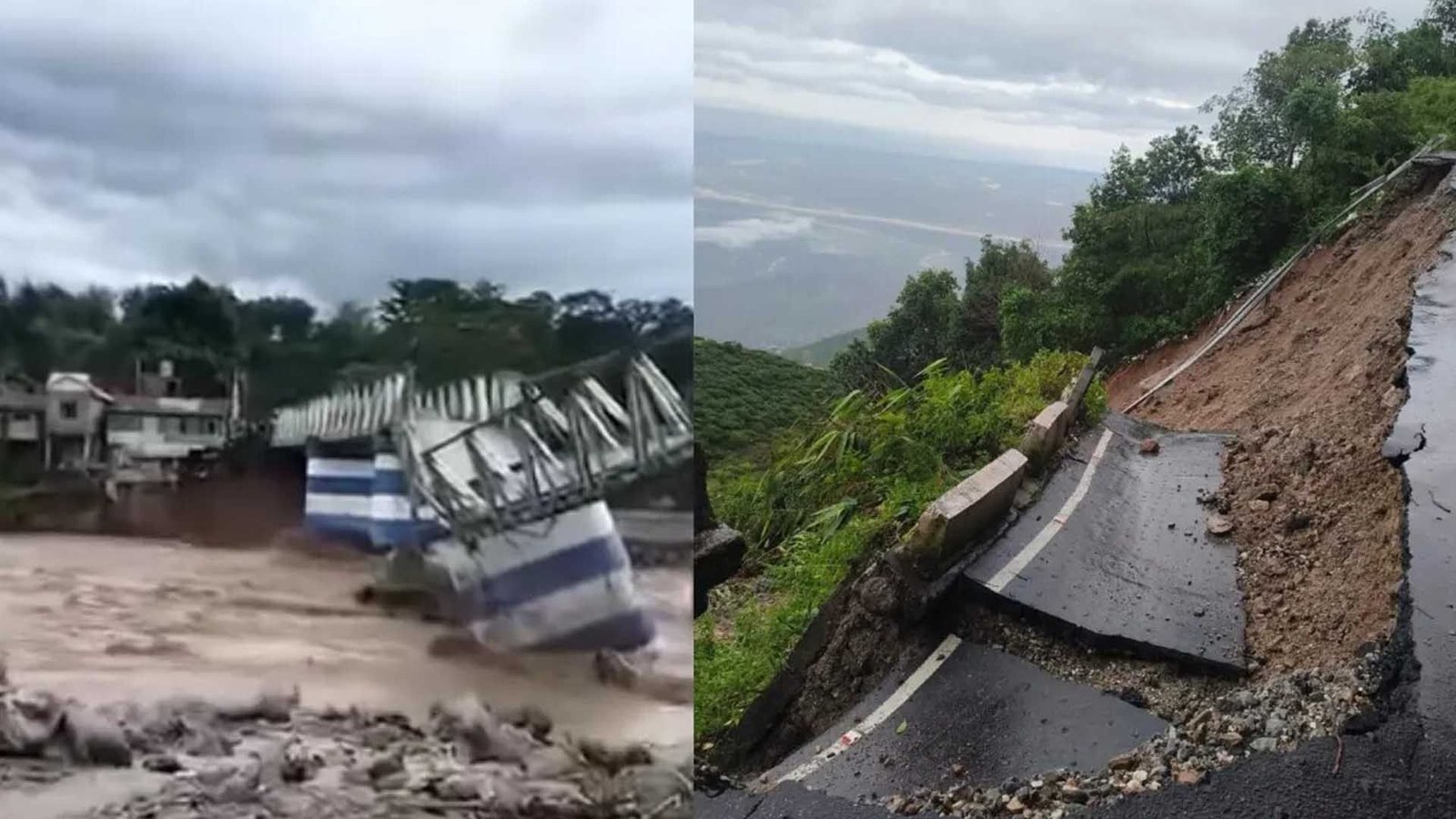
Tragedy struck West Bengal’s Darjeeling district as relentless heavy rainfall triggered devastating landslides, claiming the lives of at least 20 people, including several children. The catastrophe unfolded as torrential downpours battered the region, saturating the soil and destabilizing hillsides, leading to catastrophic landslips that swept away homes and lives.
Devastation in Darjeeling
The worst-hit areas are reported to be in and around Darjeeling town, Kalimpong, and Mirik, where entire settlements have been severely impacted. Rescue teams are struggling to reach some of the more remote and isolated locations, hampered by ongoing rain and blocked roads. The true extent of the damage and the number of missing people remain unclear as communication lines have been disrupted.
Local authorities, along with disaster response teams, are working tirelessly to evacuate residents from vulnerable areas and provide emergency assistance to those affected. Temporary shelters have been set up to accommodate displaced families, offering food, medical care, and other essential supplies. However, the sheer scale of the disaster is overwhelming the available resources, and appeals for additional aid have been issued.
Rescue Efforts and Challenges
The challenging terrain and inclement weather conditions are severely impeding rescue efforts. Landslides have blocked vital roadways, cutting off access to many affected areas. Heavy machinery and equipment are being deployed to clear debris and restore connectivity, but progress is slow and arduous. The risk of further landslides remains high, posing a constant threat to rescue workers and survivors alike.
The West Bengal government has announced ex-gratia compensation for the families of the deceased and has pledged to provide all necessary support to those affected. Chief Minister Mamata Banerjee expressed her condolences and assured that the state government is closely monitoring the situation and coordinating relief efforts. However, the immediate focus remains on rescuing those still trapped under the rubble and providing urgent assistance to those who have lost their homes and livelihoods.
A Recurring Threat
Landslides are a recurring hazard in the Himalayan region, particularly during the monsoon season. Deforestation, unplanned construction, and climate change have exacerbated the problem, making the region increasingly vulnerable to such disasters. Experts have long warned of the need for more sustainable land management practices and stricter building regulations to mitigate the risk of landslides. This recent tragedy serves as a stark reminder of the urgent need to address these underlying issues and protect vulnerable communities.
The incident has prompted renewed calls for improved disaster preparedness and response mechanisms in the region. Early warning systems, better infrastructure, and community awareness programs are crucial to minimizing the impact of future landslides. The long-term recovery and rehabilitation of the affected areas will require a concerted effort from the government, civil society organizations, and local communities. The focus must be on building more resilient infrastructure, promoting sustainable livelihoods, and empowering communities to cope with the increasing risks posed by climate change and environmental degradation.
Image Source: Google | Image Credit: Respective Owner