Scientists are recreating the slow, continuous movement that follows earthquakes—known as postseismic creep—in a laboratory setting to better understand the behavior of the Earth’s upper mantle. This research, detailed in ESS Open Archive, focuses on testing dislocation-based models that aim to explain transient creep, a period of accelerated deformation observed after major seismic events. The experiments are designed to mimic the extreme conditions of pressure and temperature found deep within the Earth.
Understanding Postseismic Creep
Postseismic creep is a critical component of the earthquake cycle, influencing the long-term deformation of the Earth’s crust and playing a role in stress redistribution that can affect future earthquake occurrences. Traditional models often struggle to fully capture the complex behavior of the upper mantle during this phase, particularly the transient creep that occurs immediately following a quake. This new approach utilizes laboratory experiments to validate and refine these models.
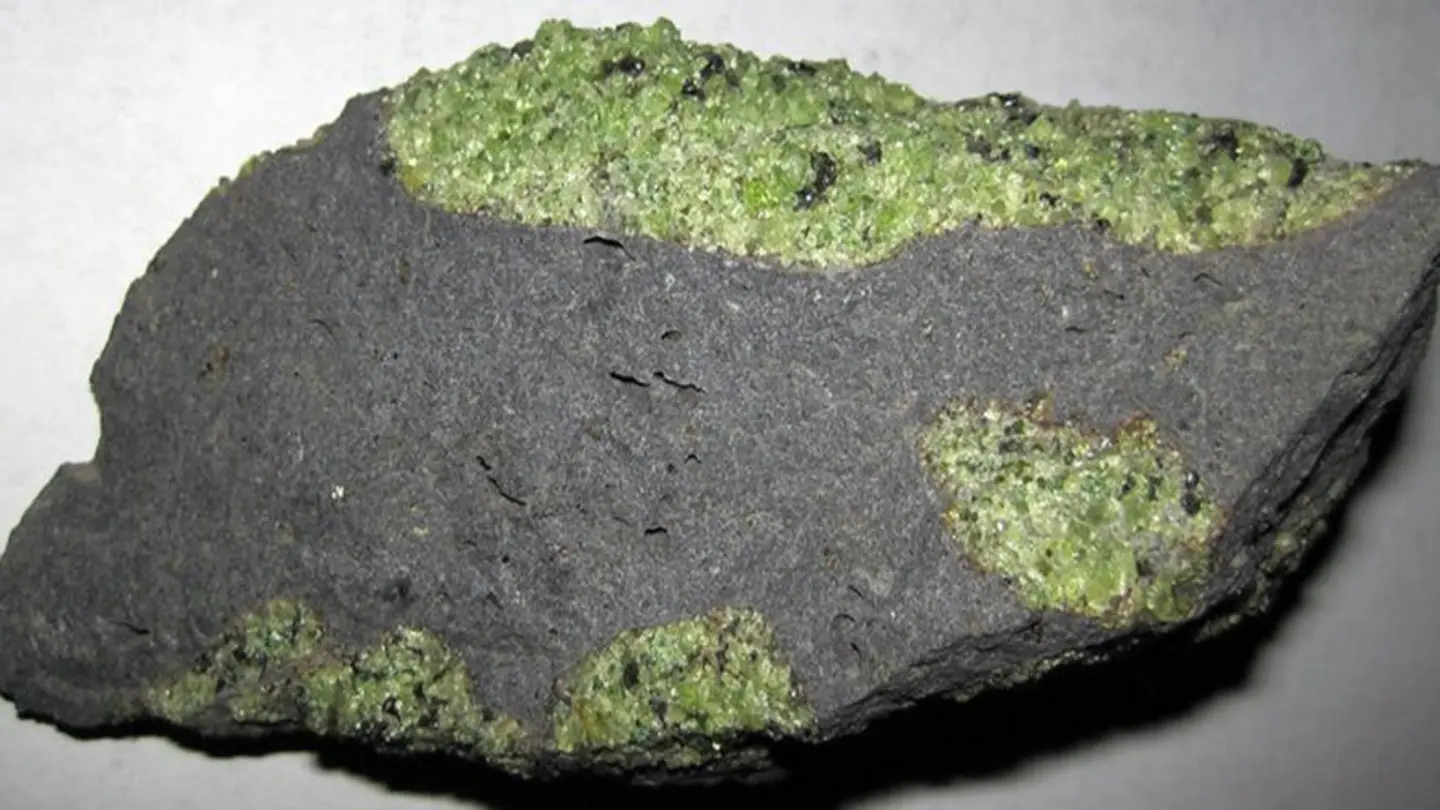
The research team is using advanced materials testing equipment to subject samples of mantle rock to conditions that simulate the high pressures and temperatures found at depths of several hundred kilometers. By carefully controlling these conditions and monitoring the deformation of the samples over time, the scientists can gather valuable data on the mechanisms driving postseismic creep. This includes observing how dislocations—defects in the crystal structure of the rock—move and interact under stress.
Experimental Setup and Methodology
The experimental setup involves a combination of high-pressure apparatus and precise measurement techniques. The rock samples are subjected to sustained stress levels, mimicking the conditions that exist after an earthquake. The resulting deformation is then meticulously measured using strain gauges and other sensors. These measurements are compared to predictions from dislocation-based models to assess their accuracy and identify areas for improvement. This iterative process of experimentation and modeling is crucial for developing a more comprehensive understanding of mantle dynamics.
One of the key challenges in this research is accurately replicating the complex composition and microstructure of the upper mantle in the laboratory. The scientists are using synthetic materials that closely match the mineralogical composition of mantle rocks, but they are also working to incorporate more realistic features such as grain size distribution and pre-existing defects. This will allow for more accurate simulations of the processes occurring deep within the Earth. The researchers hope that this work will lead to improved earthquake forecasting and a better understanding of the Earth’s dynamic processes. The ability to replicate and study these phenomena in a controlled laboratory environment offers unprecedented opportunities to test existing theories and develop new insights into the behavior of our planet.
Furthermore, the team aims to extend this research to explore the influence of different mantle compositions and stress conditions on postseismic creep. This will involve conducting a series of experiments with varying parameters and analyzing the resulting data to identify key factors that control the rate and magnitude of deformation. By combining laboratory experiments with numerical modeling, the researchers hope to gain a more complete picture of the complex processes that govern the Earth’s tectonic activity.
Image Source: Google | Image Credit: Respective Owner