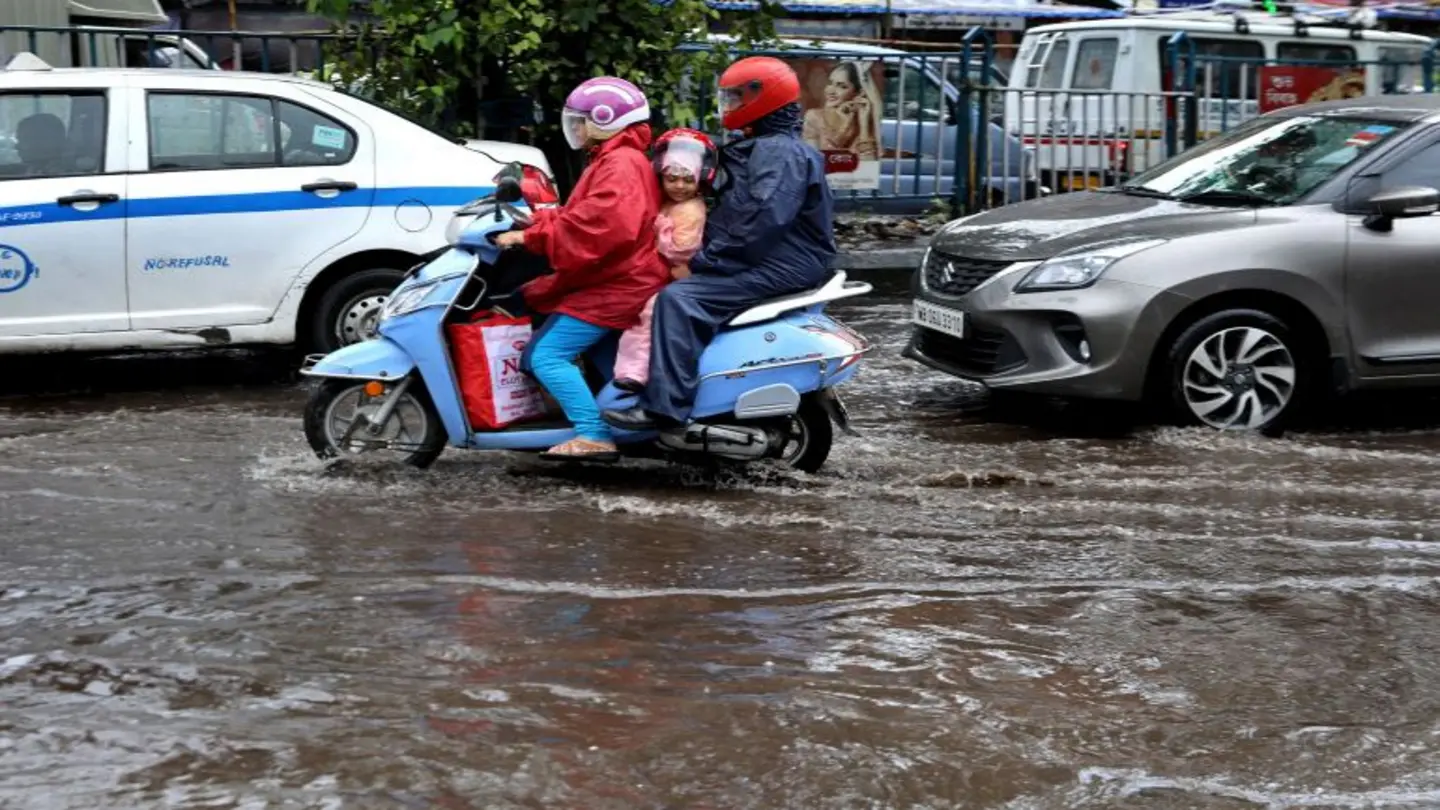
At least 12 people have died in Kolkata, India, due to severe flooding caused by record rainfall. The unprecedented downpour has submerged large parts of the city, disrupting daily life and causing widespread damage. Rescue operations are underway to assist those stranded in flooded areas, and authorities are working to provide relief to affected residents.
Impact of the Flooding
The torrential rain has led to significant waterlogging in several neighborhoods, rendering roads impassable and disrupting transportation. Many homes and businesses have been inundated, forcing people to evacuate. Power outages have also been reported in various parts of the city, compounding the difficulties faced by residents. The flooding has also raised concerns about the spread of waterborne diseases.
Local authorities are struggling to cope with the scale of the disaster. Emergency services are stretched thin as they respond to numerous calls for help. The state government has announced relief measures for those affected, including financial assistance and temporary shelter. However, many residents feel that the response has been inadequate.
The meteorological department has attributed the extreme rainfall to a combination of factors, including a deep depression over the Bay of Bengal and the effects of climate change. Experts warn that such extreme weather events are likely to become more frequent in the future, posing a significant challenge to urban areas like Kolkata. The city’s infrastructure, already strained by rapid population growth, is struggling to cope with the increased risk of flooding.
Rescue and Relief Efforts
Teams from the National Disaster Response Force (NDRF) and other agencies are working to evacuate people from flooded areas and provide them with food, water, and medical assistance. The army has also been deployed to assist in rescue operations. Local communities have also stepped up to help those in need, providing shelter and supplies to their neighbors. The situation remains critical, and authorities are urging residents to take precautions and stay safe.
The long-term impact of the flooding on Kolkata’s economy and infrastructure is still being assessed. The damage to homes, businesses, and roads is expected to be substantial. The state government is likely to face a significant challenge in rebuilding the city and making it more resilient to future disasters. Calls for improved drainage systems and better urban planning are growing louder in the wake of the floods.
The tragedy serves as a stark reminder of the vulnerability of urban areas to extreme weather events and the urgent need for climate action. As global temperatures continue to rise, cities around the world must prepare for more frequent and intense floods, droughts, and heatwaves. Investing in resilient infrastructure and implementing effective disaster management strategies are essential to protecting lives and livelihoods.
Image Source: Google | Image Credit: Respective Owner