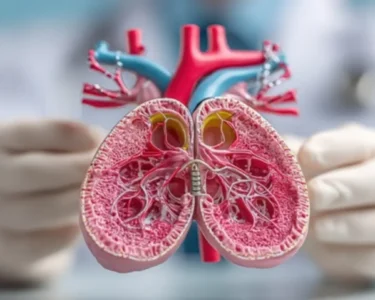
Maintaining kidney health is crucial for overall well-being, as these vital organs filter waste and toxins from the blood. While a balanced diet supports kidney function, overconsumption of certain foods can place undue stress on them, potentially leading to kidney damage or disease. It’s essential to be mindful of the quantity and frequency with which you consume these items to protect your kidneys.
Foods High in Sodium
Processed foods, canned goods, and salty snacks are notorious for their high sodium content. Excessive sodium intake forces the kidneys to work harder to maintain fluid balance, which can elevate blood pressure and increase the risk of kidney disease. Limiting these foods and opting for fresh, whole ingredients is a wise choice. Also, be cautious about adding extra salt to your meals; experiment with herbs and spices for flavor enhancement instead.
Foods Rich in Oxalates
Certain foods, such as spinach, rhubarb, chocolate, and nuts, are rich in oxalates. In susceptible individuals, high oxalate levels can contribute to the formation of kidney stones. While these foods offer nutritional benefits, moderation is key, especially if you have a history of kidney stones. Drinking plenty of water helps dilute oxalate concentration in the urine, reducing the risk of stone formation.
Excessive Animal Protein
While protein is essential for building and repairing tissues, consuming excessive amounts of animal protein can strain the kidneys. The kidneys are responsible for metabolizing protein waste products, such as urea. A high-protein diet can increase the workload on the kidneys, potentially accelerating kidney damage over time. Opt for a balanced diet with moderate protein intake from various sources, including plant-based options like legumes and tofu.
Phosphorus-Rich Foods
Phosphorus is a mineral that plays a crucial role in bone health and energy production. However, excessive phosphorus intake can be detrimental to kidney health, particularly for individuals with chronic kidney disease (CKD). Processed foods, dairy products, and certain meats are high in phosphorus. When kidneys are not functioning optimally, they may struggle to remove excess phosphorus from the blood, leading to complications. Consult with a healthcare professional or registered dietitian to determine the appropriate phosphorus intake for your specific needs.
Potassium Overload
Potassium is vital for maintaining healthy blood pressure and muscle function. However, individuals with kidney disease may have difficulty regulating potassium levels in the blood. Consuming too many potassium-rich foods, such as bananas, oranges, potatoes, and tomatoes, can lead to hyperkalemia, a dangerous condition characterized by high potassium levels. This can cause muscle weakness, heart arrhythmias, and even cardiac arrest. Work with your doctor or a renal dietitian to personalize your potassium intake.
Sugary Drinks
Sugary drinks, including soda, sweetened juices, and energy drinks, contribute to weight gain, insulin resistance, and an increased risk of type 2 diabetes. Diabetes is a leading cause of kidney disease, as high blood sugar levels can damage the small blood vessels in the kidneys. Opt for water, unsweetened tea, or infused water as healthier alternatives. Limiting sugary drinks not only benefits your kidneys but also improves your overall health.
Artificial Sweeteners
While often marketed as a healthy alternative to sugar, some studies suggest that excessive consumption of artificial sweeteners may negatively impact kidney function. Further research is needed to fully understand the long-term effects of artificial sweeteners on the kidneys, but moderation is advised. Be mindful of the ingredients in your food and beverages and choose natural sweeteners like stevia or monk fruit in moderation.
Image Source: Google | Image Credit: Respective Owner