In a groundbreaking development, scientists have successfully reversed kidney failure in mice without the use of any drugs, offering a glimmer of hope for human patients suffering from renal diseases. The research, published in a leading scientific journal, details a novel approach that leverages the body’s own regenerative capabilities to repair damaged kidney tissue. This innovative strategy could potentially revolutionize the treatment of chronic kidney disease (CKD), a condition affecting millions worldwide.
The Experimental Approach
The study centered around stimulating the intrinsic repair mechanisms within the kidneys themselves. Researchers focused on identifying specific signaling pathways that promote cell regeneration and tissue repair. By carefully manipulating these pathways, they were able to induce the formation of new kidney cells and restore organ function in mice with established kidney failure. Unlike traditional treatments that rely on immunosuppressants and dialysis, this new approach targets the root cause of the disease by directly repairing the damaged tissue.
Researchers employed a combination of genetic and molecular techniques to precisely control the activity of key regulatory genes involved in kidney development and regeneration. They found that by transiently activating these genes, they could trigger a cascade of events leading to the formation of functional kidney structures. The process involved the differentiation of resident stem cells into specialized kidney cells, effectively replacing the damaged and non-functional tissue.
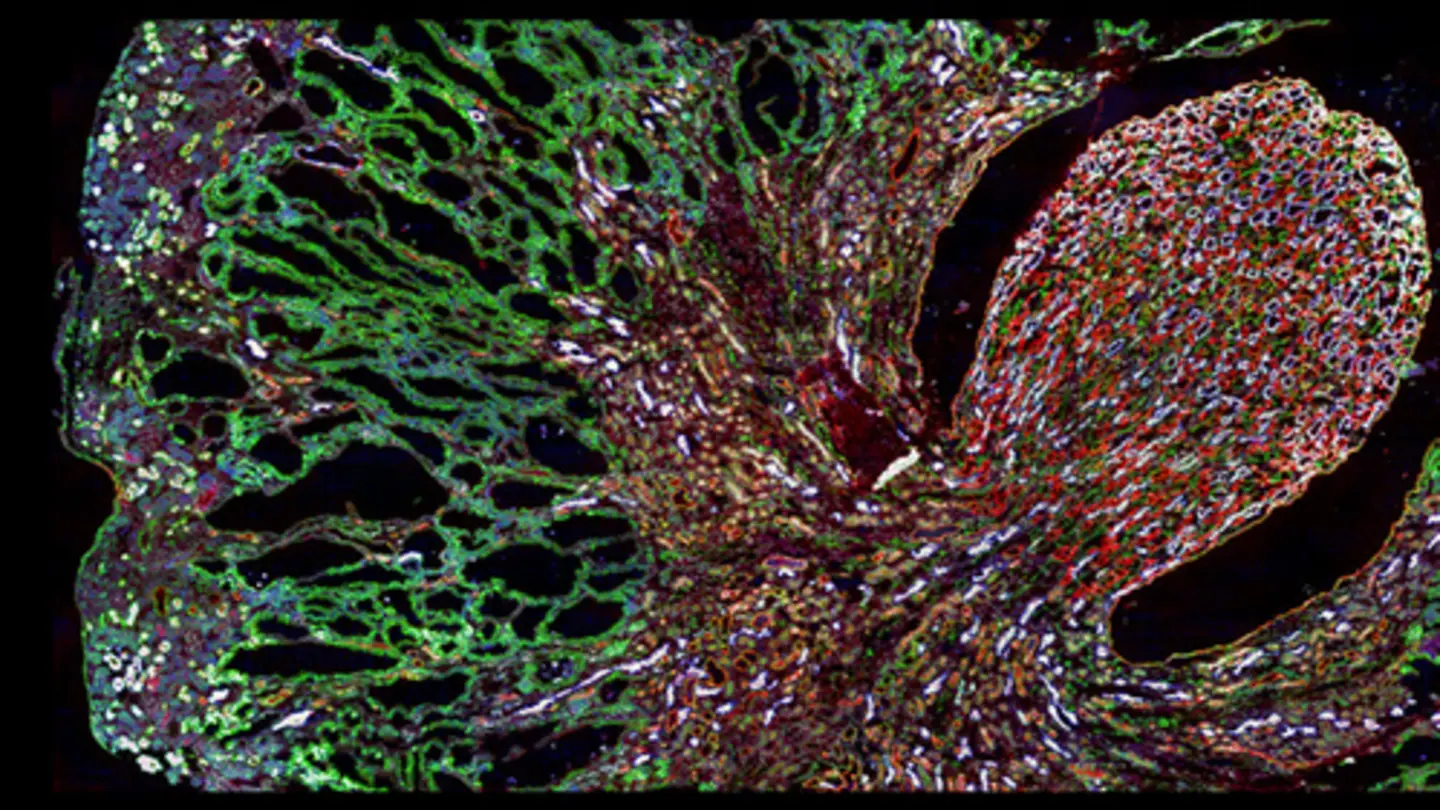
The results were remarkable. Mice treated with this regenerative therapy experienced a significant improvement in kidney function, as evidenced by reduced levels of creatinine and blood urea nitrogen (BUN) – key indicators of kidney health. Moreover, the repaired kidneys showed a remarkable resemblance to healthy kidneys, both in terms of structure and function. The treated mice also exhibited improved overall health and longevity compared to control groups.
Future Implications
While the results are highly promising, researchers emphasize that further studies are needed to confirm the safety and efficacy of this approach in humans. The next step will involve conducting preclinical trials in larger animal models to assess the long-term effects of the regenerative therapy and optimize the treatment protocol. If successful, human clinical trials could begin within the next few years, offering a potential cure for CKD.
The potential impact of this research on human health is immense. CKD is a major public health problem, with a significant economic burden on healthcare systems worldwide. A successful regenerative therapy could not only improve the quality of life for millions of patients but also reduce the need for costly and invasive treatments such as dialysis and kidney transplantation. The researchers are optimistic that their findings will pave the way for a new era of regenerative medicine in the treatment of kidney disease and other organ failures.
This breakthrough also highlights the power of harnessing the body’s own regenerative capabilities to heal itself. By understanding the complex biological processes that govern tissue repair and regeneration, scientists are developing innovative therapies that offer the potential to cure previously incurable diseases. This drug-free approach to reversing kidney failure represents a paradigm shift in the treatment of chronic diseases and opens up new avenues for research in regenerative medicine.
Image Source: Google | Image Credit: Respective Owner