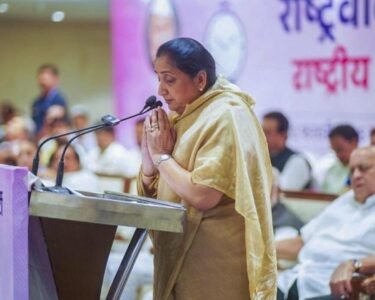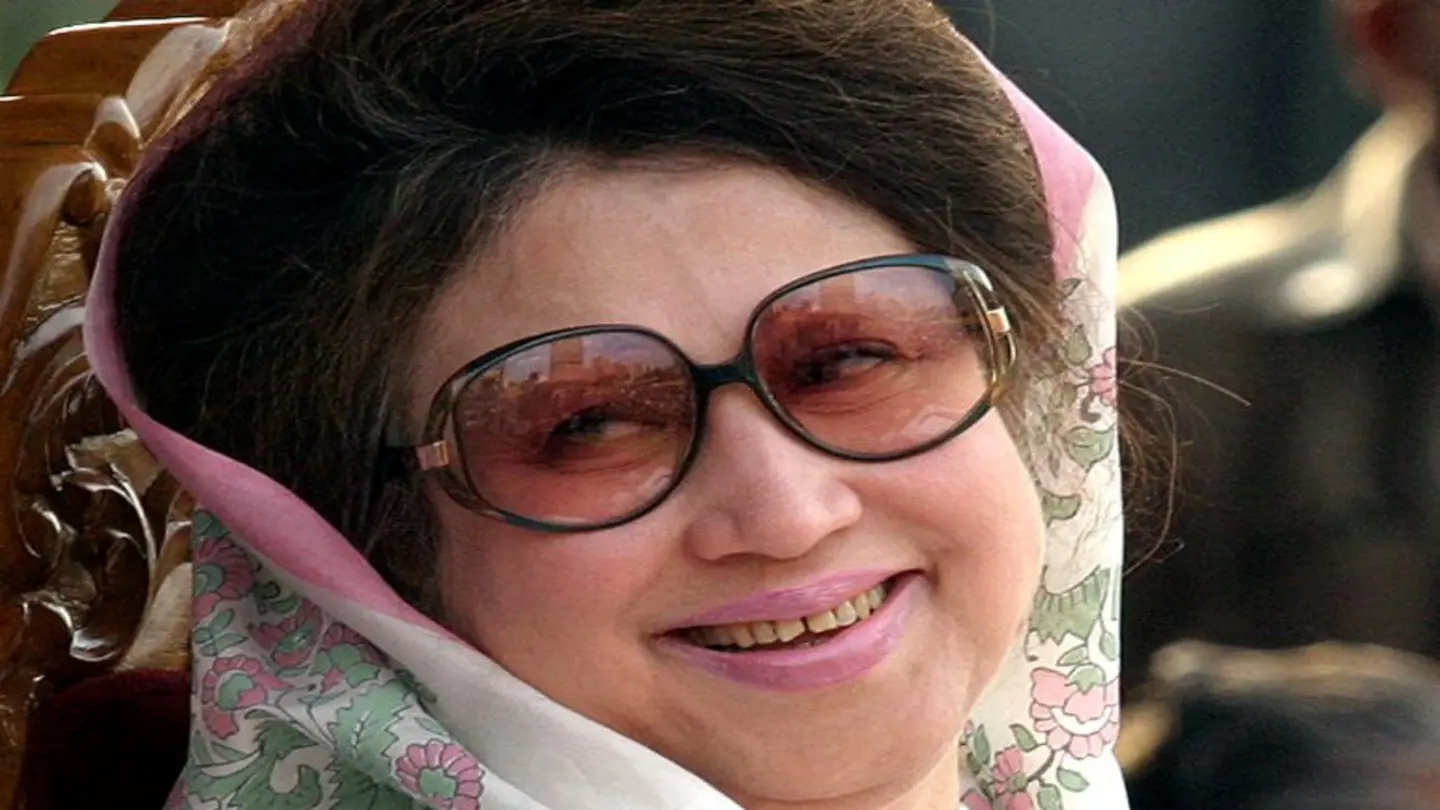
Dhaka’s political landscape has been irrevocably altered by the recent passing of Khaleda Zia, the chairperson of the Bangladesh Nationalist Party (BNP). A towering figure in Bangladeshi politics for decades, Zia’s influence extended beyond her country’s borders, particularly in shaping India’s engagement with its eastern neighbour. Throughout her career, marked by both leadership and periods of political struggle, Zia consistently presented a distinct perspective on Bangladesh’s relationship with India, often differing from the ruling Awami League’s approach. This article examines her lasting impact on India’s strategic considerations within the broader South Asian context.
Khaleda Zia’s rise mirrored the political turmoil following the assassination of Sheikh Mujibur Rahman in 1975. As the wife of former President Ziaur Rahman, she became a symbol of opposition to the Awami League and its perceived pro-India stance. During her three terms as Prime Minister – 1991-1996, 1996-2001, and 2001-2006 – Zia pursued policies aimed at fostering closer ties with countries other than India, including China, Pakistan, and Myanmar. This diversification of relationships was, in part, a strategic response to what she viewed as India’s growing influence in Bangladesh.
A key feature of Zia’s foreign policy was her engagement with Myanmar regarding the Rohingya refugee issue. While the Awami League government focused on international condemnation, Zia initiated direct negotiations with Myanmar, attempting to establish a bilateral solution. Although ultimately unsuccessful in preventing the mass displacement of Rohingya, her approach highlighted a preference for regional diplomacy over international pressure. This resonated with her broader aim of asserting Bangladesh’s sovereignty and independent foreign policy.
Contrasting Approaches
Sharply contrasting with the Awami League’s generally cooperative stance, Zia often voiced concerns over shared water resources, border disputes, and trade imbalances with India. These concerns were frequently amplified during election campaigns, appealing to nationalist sentiments and shaping public opinion. Her rhetoric, though sometimes contentious, forced India to acknowledge and engage with Bangladeshi perspectives on critical bilateral issues.
The period surrounding the 2006-2008 Bangladeshi political crisis saw heightened tensions with India, fueled by allegations of Indian support for the Awami League. The military-backed caretaker government that emerged during this time also accused Zia’s son and political heir, Tarique Rahman, of harboring Islamist elements and corruption. Despite these accusations, Zia remained a powerful mobilising force, continuing to draw substantial support from a significant portion of the Bangladeshi electorate. Her role as opposition leader provided a continuous counterpoint to the government’s policies and narratives.
In her later years, weakened by illness and legal battles, Zia remained a symbolic figurehead for the BNP. Her absence from active politics, combined with the ruling Awami League’s dominance, increasingly marginalized the BNP’s influence. However, the outpouring of grief following her death demonstrates the continuing resonance of her political legacy within Bangladesh. India, observing these developments, must navigate a shifting political reality, recognizing the enduring influence of the ideas and constituencies Zia represented. Her passing marks the end of an era, but the questions she raised about Bangladesh’s regional role remain pertinent for India’s foreign policy planners.
The future of India-Bangladesh relations will depend on how the new generation of Bangladeshi leaders addresses these long-standing issues and balances its relationships with regional and global powers. Zia’s legacy serves as a reminder that a stable and predictable relationship requires sustained dialogue and a genuine understanding of each other’s concerns.
Image Source: Google | Image Credit: Respective Owner