Anticipated Release with Controversial Cuts
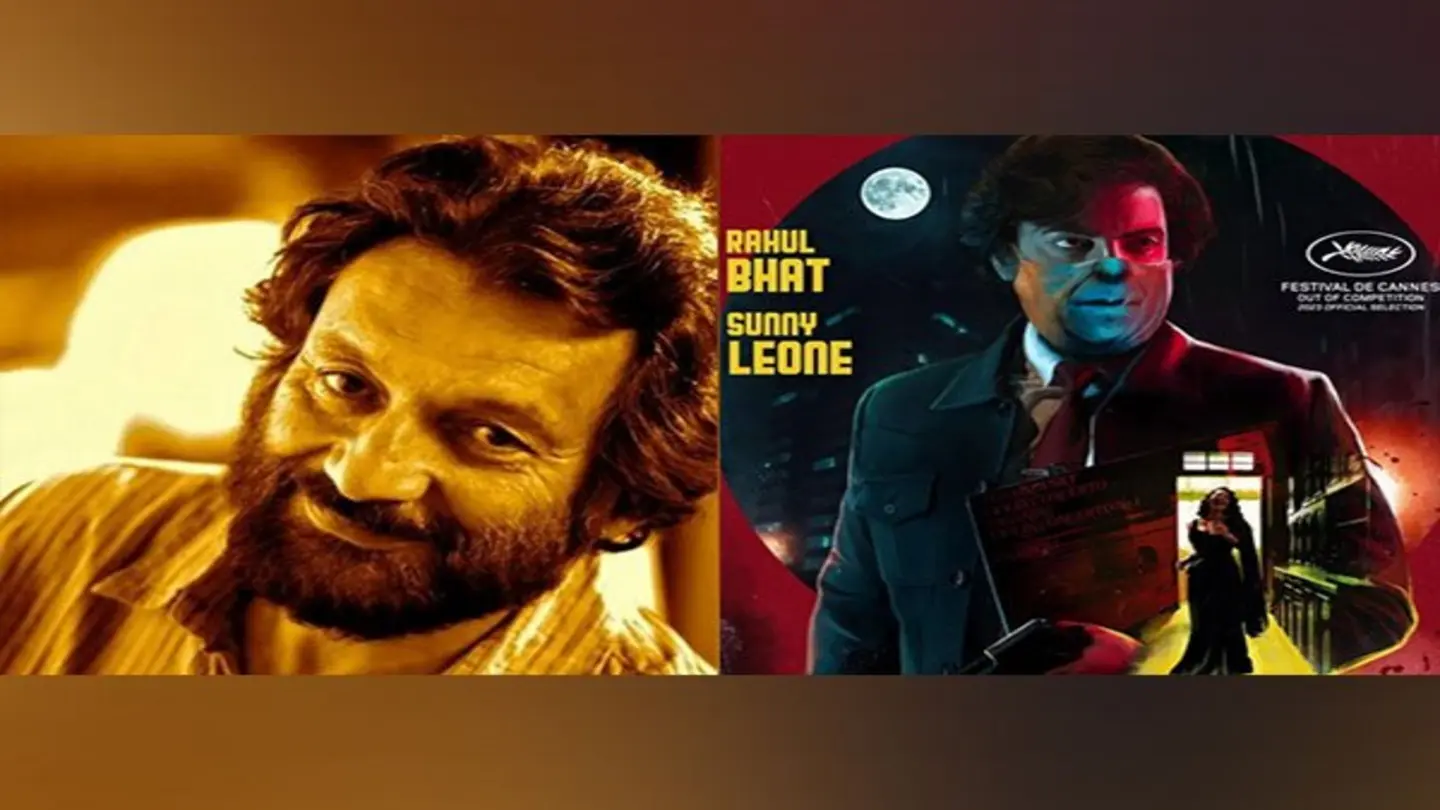
Anurag Kashyap’s highly anticipated film “Kennedy” has finally made its way to Indian theaters after months of speculation and delays. The psychological thriller, which has been generating buzz since its premiere at international film festivals, has arrived in its home country but not without significant modifications. The Central Board of Film Certification (CBFC) has required several cuts to the film, most notably removing all references to underworld don Dawood Ibrahim and former US President Donald Trump. This decision has sparked a debate about creative freedom and censorship in Indian cinema.
The film, starring Rahul Bhat in the titular role alongside Sunny Leone, has been Kashyap’s most ambitious project in recent years. Set against the backdrop of Mumbai’s underbelly, “Kennedy” explores themes of redemption, corruption, and the search for meaning in a chaotic world. Kashyap, known for his uncompromising storytelling, has often found himself at odds with censor boards in the past. The director had to make similar cuts to his films “Ugly” and “No Smoking” before their releases in India.
The CBFC’s decision to excise references to Ibrahim and Trump has raised eyebrows across the industry. While the board has not officially commented on the specific reasons for these cuts, it is believed that the references were deemed potentially inflammatory or controversial. The film’s international release, which took place earlier this year, featured these scenes without any issues, highlighting the differing standards between Indian and global film certification processes.
Despite the modifications, “Kennedy” has been generating significant interest among audiences and critics alike. The film’s dark tone, complex narrative, and Kashyap’s distinctive directorial style have been widely praised. Early screenings suggest that the core storyline remains intact, with the cuts primarily affecting specific dialogue and background elements. However, some purists argue that these alterations diminish the film’s intended impact and artistic integrity.
The release of “Kennedy” comes at a time when discussions about censorship in Indian cinema are more prominent than ever. Filmmakers have been increasingly vocal about the challenges they face in getting their work released uncut, with many arguing that the current system stifles creative expression. Kashyap himself has been a vocal critic of what he perceives as arbitrary censorship, often taking to social media to express his frustrations.
As audiences flock to theaters to experience “Kennedy” in its edited form, the question remains: will these cuts affect the film’s reception and box office performance? Only time will tell whether audiences will embrace the modified version or if the controversy surrounding the censorship will overshadow the film’s artistic merits. For now, Kashyap’s latest offering stands as a testament to the ongoing tension between creative vision and regulatory constraints in the Indian entertainment industry.
Image Source: Google | Image Credit: Respective Owner