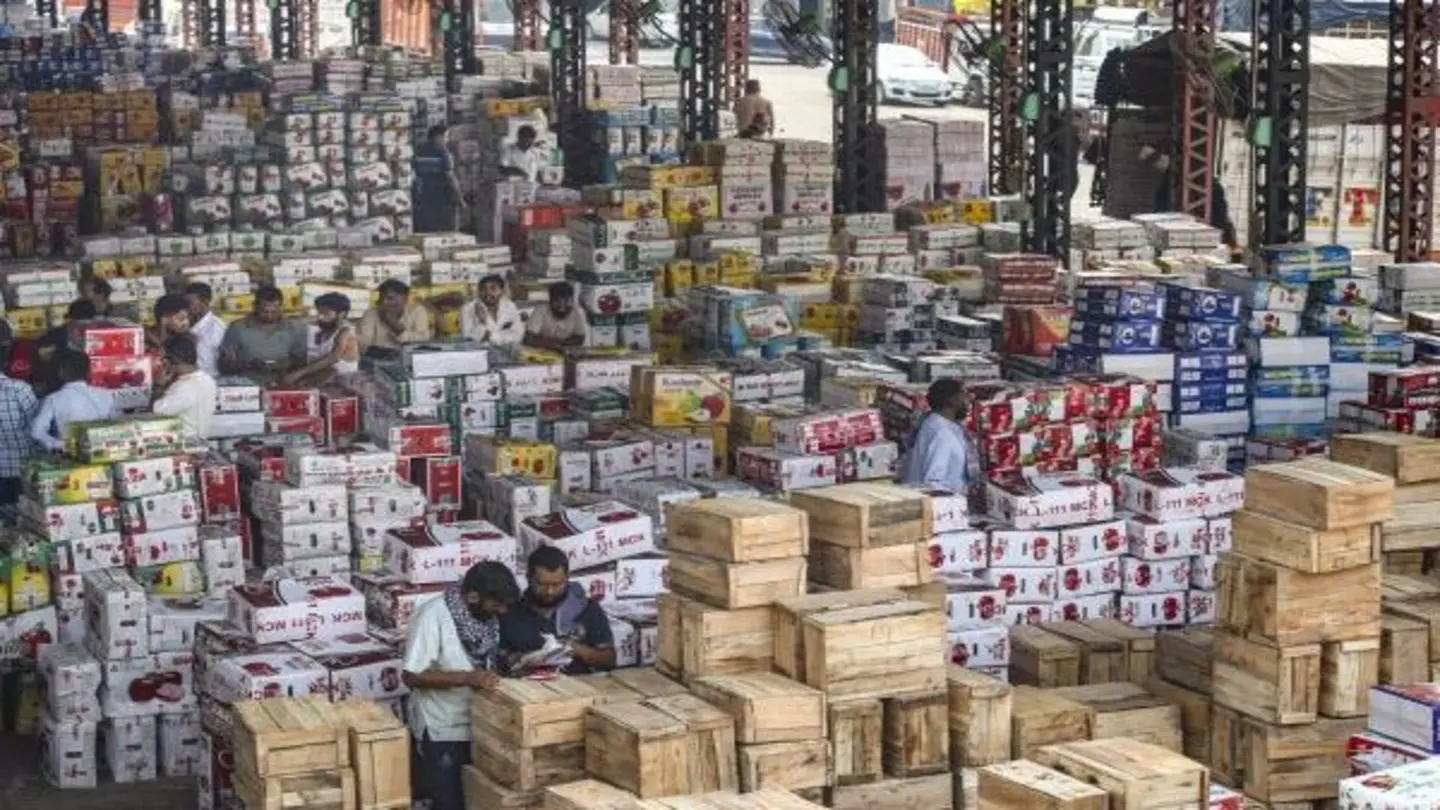
Apple growers in Kashmir are facing significant challenges as prices have plummeted in the Jammu fruit Mandi, primarily due to disruptions in the supply chain. The once-thriving market is now grappling with a glut of apples, leaving farmers struggling to recoup their investments. Several factors contribute to this downturn, including transportation bottlenecks, increased competition from other apple-producing regions, and a lack of adequate storage facilities.
The Jammu fruit Mandi, a crucial hub for apple trade in the region, has witnessed a sharp decline in prices over the past few weeks. Farmers who once fetched reasonable returns for their produce are now forced to sell their apples at drastically reduced rates, barely covering their transportation and labor costs. This situation has triggered widespread discontent among the apple-growing community, who are demanding immediate government intervention to alleviate their distress.
Transportation Bottlenecks
One of the primary reasons for the supply chain disruption is the frequent closure of the Jammu-Srinagar National Highway, the lifeline for transporting apples from Kashmir to other parts of India. Landslides, inclement weather, and security concerns often lead to prolonged disruptions, causing significant delays and damage to the perishable fruit. The lack of alternative routes exacerbates the problem, leaving farmers stranded with their produce.
Increased Competition
Another factor contributing to the price decline is the increased competition from other apple-producing states in India, such as Himachal Pradesh and Uttarakhand. These regions have witnessed a surge in apple production, leading to an oversupply in the market and driving down prices. Kashmiri apples, known for their superior quality and taste, are struggling to maintain their competitive edge in the face of this growing competition.
Lack of Storage Facilities
The absence of adequate cold storage facilities in Kashmir further compounds the problem. A significant portion of the apple harvest is lost due to spoilage and decay, as farmers lack the means to preserve their produce for extended periods. This forces them to sell their apples immediately after harvesting, often at unfavorable prices. The establishment of modern cold storage infrastructure is crucial for mitigating these losses and ensuring a stable supply chain.
The Jammu and Kashmir government has acknowledged the challenges faced by apple growers and has promised to take measures to address the supply chain disruptions and price volatility. These measures include improving transportation infrastructure, promoting the establishment of cold storage facilities, and exploring new markets for Kashmiri apples. However, the effectiveness of these measures remains to be seen, and farmers are eagerly awaiting concrete action to alleviate their plight.
The current crisis in the apple industry underscores the need for a comprehensive and sustainable strategy to support the agricultural sector in Kashmir. This strategy should focus on improving infrastructure, promoting diversification, and empowering farmers with the knowledge and resources they need to thrive in a competitive market. Only through such concerted efforts can the region’s apple industry regain its former glory and contribute to the economic prosperity of the region.
Image Source: Google | Image Credit: Respective Owner