Researchers have uncovered significant evidence of natrojarosite-natroalunite solid solutions in the Western Kutch region, shedding new light on jarosite formation processes on Earth and their potential analogs on Mars.
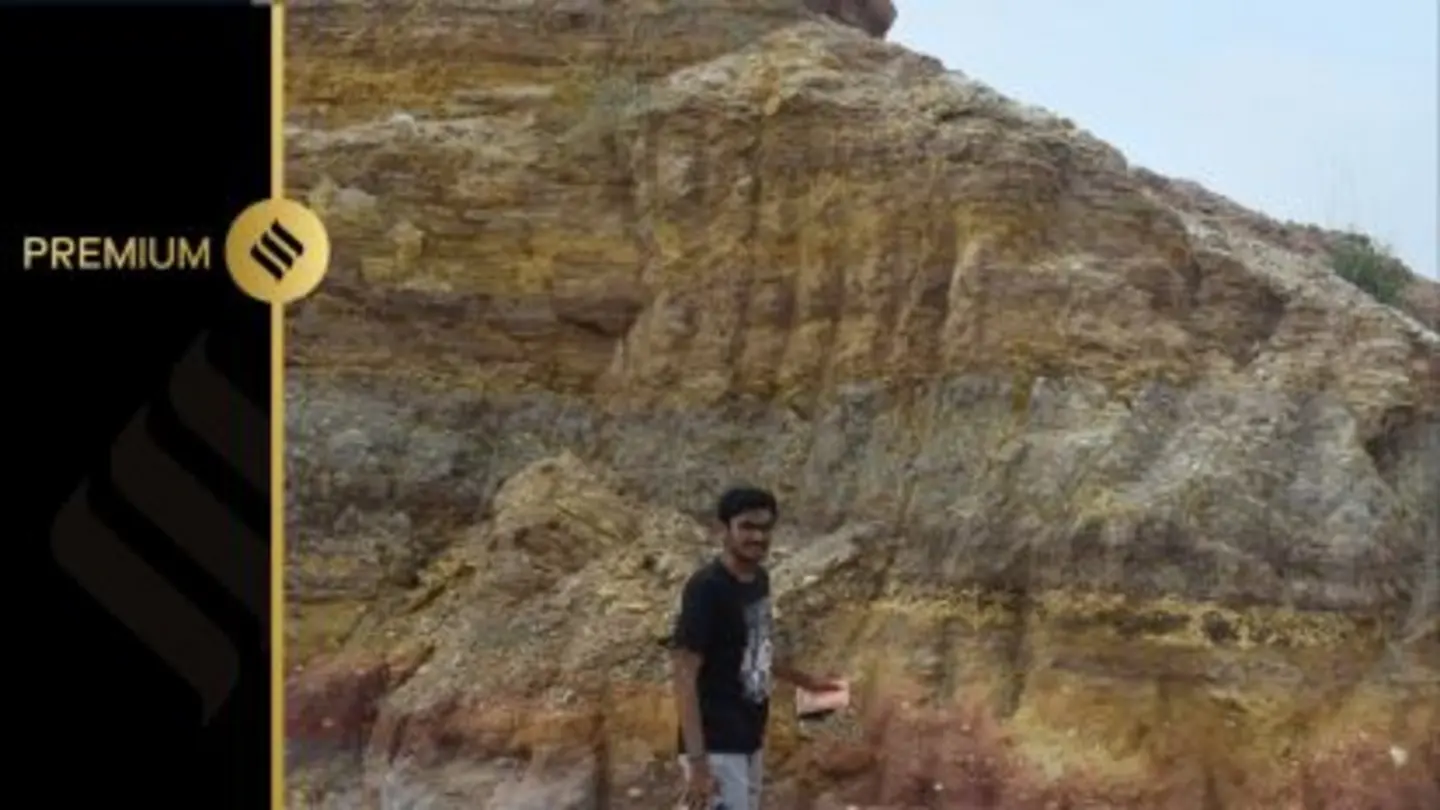
The study, published in the ESS Open Archive, utilized multiproxy analytical techniques to examine mineral compositions and environmental conditions during jarosite formation. Scientists collected samples from diverse geological settings across Western Kutch, focusing on sulfate-rich sediments and volcanic ash deposits that provide ideal conditions for jarosite crystallization.
Jarosite, a hydrous iron sulfate mineral, is of particular interest to planetary scientists because it has been detected on Mars via orbital spectrometry. Understanding its formation mechanisms on Earth helps refine models for water activity and environmental conditions on the Red Planet. The research team discovered that natrojarosite and natroalunite exist as continuous solid solutions rather than distinct minerals, challenging previous classification systems.
Analytical methods included X-ray diffraction, scanning electron microscopy, and sulfur isotope analysis. These techniques revealed nuanced variations in sulfur isotopes and trace element compositions that correlate with distinct formation environments. Freshwater lake systems showed different jarosite characteristics compared to evaporated saline basins, suggesting multiple pathways for mineral formation.
The preservation of jarosite in Western Kutch provides a unique terrestrial analog for Martian sulfates. Researchers noted that some samples retained microscopic texture details despite undergoing diagenetic alteration, offering clues about post-formation processes that might affect mineral detection on Mars. This preservation potential could help interpret remote sensing data from Martian rovers.
Lead author Dr. Anjali Mehta explained, “Our findings demonstrate that jarosite formation is more flexible and environmentally responsive than previously thought. This expands the range of possible habitat conditions we should consider when searching for past life on Mars.” The study also identified specific geochemical fingerprints that could be used to distinguish between terrestrial and Martian jarosite samples.
Scientists emphasized that these results have implications for ongoing and future Mars missions. By comparing Martian jarosite signatures with well-characterized terrestrial examples, researchers can better constrain paleoenvironmental models for the Red Planet. The Western Kutch site now serves as a critical reference point for interpreting sulfate mineralogy in extraterrestrial contexts.
The research team plans to expand their studies to other potential Mars analog sites globally, seeking additional formation scenarios that might mimic conditions on the Red Planet. These efforts will support the development of more sophisticated analytical protocols for upcoming Mars exploration programs.
Image Source: Google | Image Credit: Respective Owner