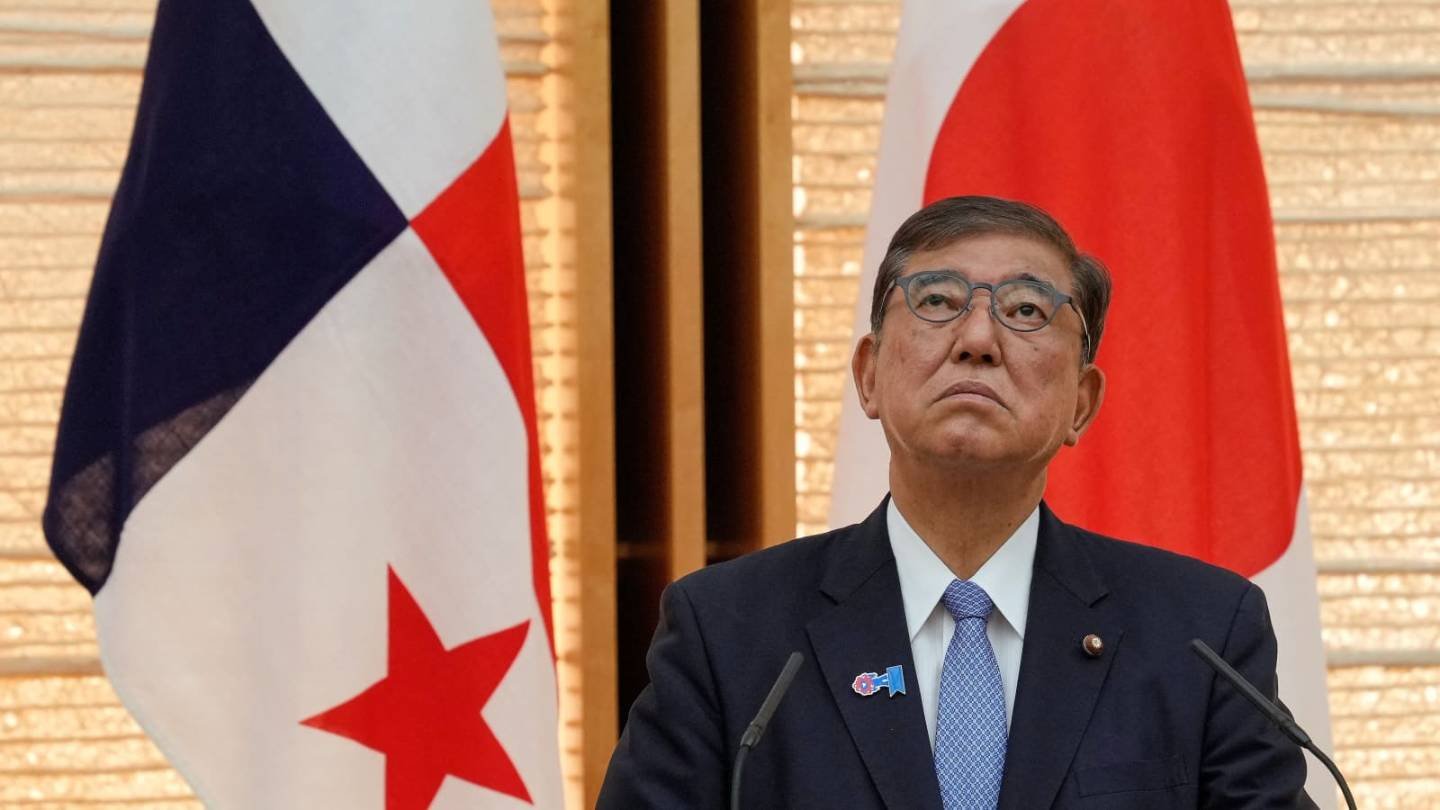
Japanese Prime Minister Shigeru Ishiba announced his resignation on Sunday, bowing to pressure from within the ruling Liberal Democratic Party (LDP) after a major electoral defeat in July.
Ishiba, 68, said he would step down as LDP president to take responsibility for the loss in the upper house elections, where the LDP-Komeito coalition saw its strength fall from 141 to 122 seats in the 248-member chamber. The setback intensified calls for his resignation, with party members warning of a potential split if he stayed on.
“I have decided to resign from the position of president of the Liberal Democratic Party,” Ishiba told reporters, adding that a leadership contest would be organized to select his successor.
Ishiba took office in October 2024 after winning the party leadership on his fifth attempt. Seen as a steady hand, he pledged to revitalize rural areas and address Japan’s declining population. However, his decision to call snap lower house elections shortly after taking office backfired, delivering the LDP its weakest result in 15 years and forcing reliance on opposition support.
The July upper house results deepened the crisis, leaving the coalition without a majority in either chamber. At the same time, public discontent grew over rising living costs, particularly the sharp increase in rice prices, which doubled over the past year.
Ishiba’s resignation ends a brief tenure marked by economic challenges, falling approval ratings, and internal party rifts. He is the 10th Japanese prime minister since 2000 to leave office, continuing a pattern of short-lived leadership in the country’s politics.
Image Source: Google | Image Credit: Respective Owner