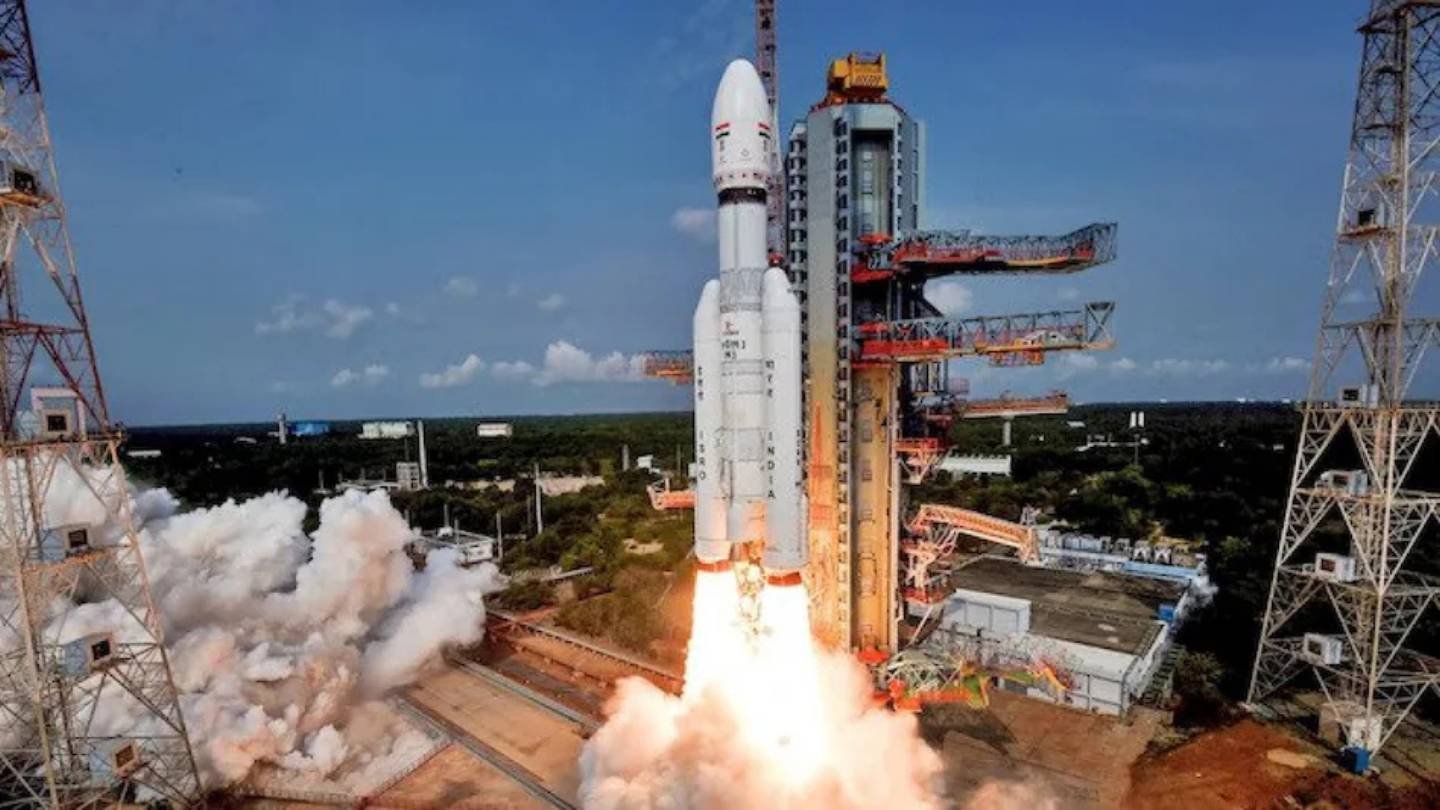
The Indian Space Research Organisation (ISRO) has invited the country’s scientific community to submit research proposals for analysing data collected by the Chandrayaan-3 lander and rover.
The mission, launched on July 14, 2023, achieved all its objectives and gathered valuable information on lunar seismicity, thermo-physical properties, plasma environment, and the elemental composition of the Moon’s south polar region during its operational lunar day.
Call for proposals
In its Announcement of Opportunity (AO), ISRO has asked faculty and researchers from recognised universities, research institutions, colleges, and government organisations across India to submit innovative research proposals. The last date for submission is October 21, 2025.
The data has already been analysed by payload teams and published in peer-reviewed journals. Peer-reviewed datasets were also released to the public on August 23, 2024, through ISRO’s PRADAN portal (pradan.issdc.gov.in).
Building on earlier missions
ISRO highlighted that data from Chandrayaan-1 and the Chandrayaan-2 orbiter has already been widely used by Indian researchers to study the lunar surface, sub-surface, mineralogy, and exosphere. These studies have deepened understanding of the Moon’s evolutionary processes.
Currently, 30 research projects based on earlier Chandrayaan data are running in various academic institutions. With Chandrayaan-3, ISRO hopes to further expand India’s lunar science community.
Accessing the data
The Chandrayaan-3 lander and rover payload datasets are now open to the public. Interested researchers can access and download the data from ISRO’s Indian Space Science Data Centre (ISSDC) via the PRADAN portal.
ISRO has encouraged scientists to make full use of these datasets to generate new insights into lunar science and push forward India’s space research capabilities.
Image Source: PTI | Image Credit: Respective Owner