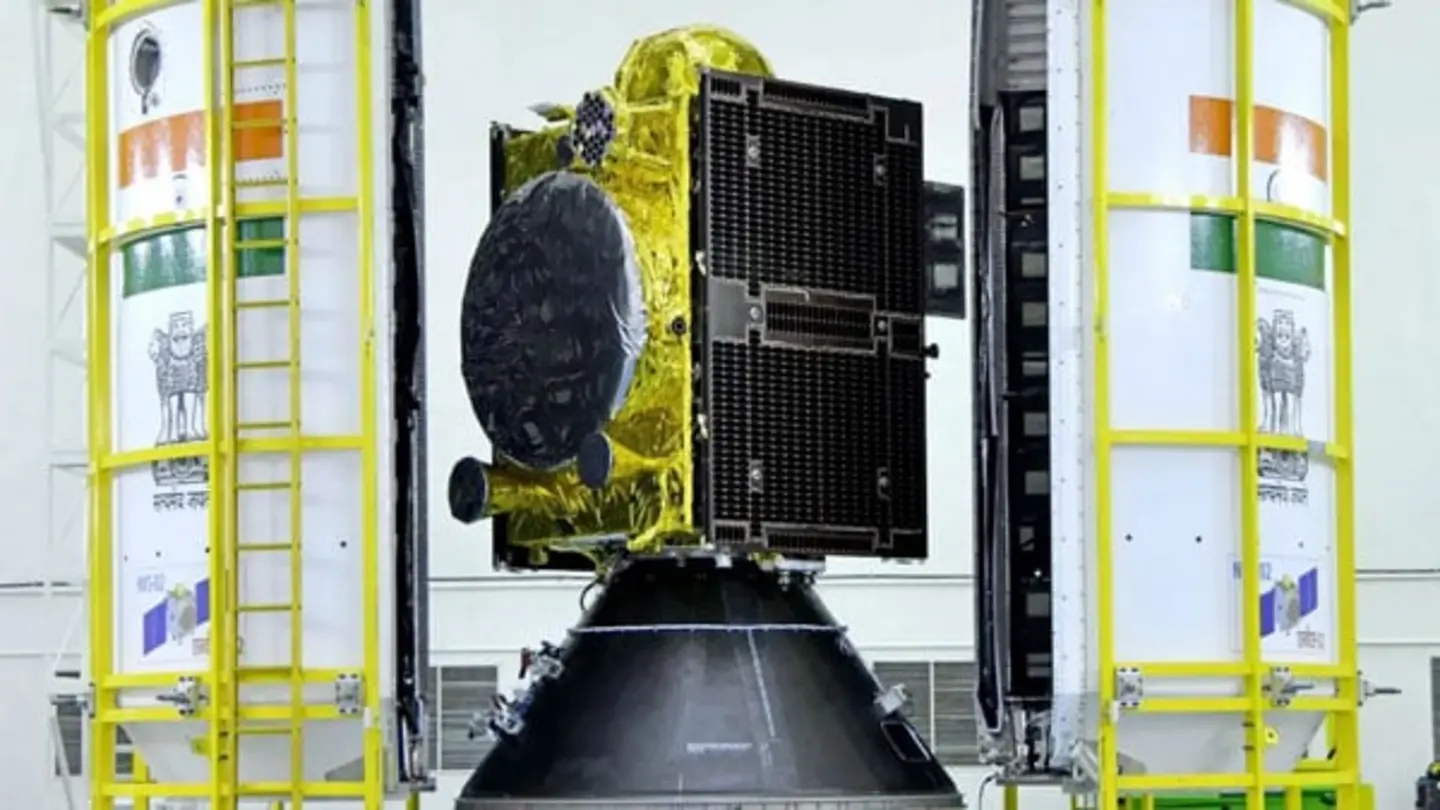
A year after the failure of the NVS-02 satellite, the Indian Space Research Organisation (ISRO) has released a detailed explanation of the events leading to the malfunction. The satellite, launched in December 2022, ceased functioning approximately 75 days after its deployment, prompting an extensive investigation by ISRO.
The primary cause of the failure, according to ISRO, was a ‘thermal anomaly’ within the satellite’s attitude control system. Specifically, a component responsible for maintaining the satellite’s orientation experienced a sudden and significant temperature rise. This thermal stress, ISRO stated, led to a cascade of failures within the system, ultimately resulting in the loss of control.
Root Cause Analysis
ISRO’s investigation meticulously examined various aspects of the satellite’s design and operation. They utilized telemetry data, ground station observations, and sophisticated modeling techniques to reconstruct the sequence of events. The analysis revealed that the initial thermal anomaly was triggered by an unexpected interaction between the satellite’s solar panels and the surrounding space environment. This interaction caused a localized heating effect, which was then exacerbated by the satellite’s own thermal management system.
The team identified that the satellite’s thermal design, while robust for typical operational conditions, wasn’t fully equipped to handle the specific thermal stresses encountered during its early deployment phase. Furthermore, the sensitivity of the attitude control system to temperature fluctuations proved to be a critical vulnerability.
ISRO emphasized that the failure was not due to any manufacturing defect or design flaw. Instead, it was a consequence of unforeseen environmental conditions and a combination of factors that exceeded the satellite’s operational limits. They highlighted the importance of conducting thorough environmental testing and incorporating redundancy measures to mitigate such risks in future missions.
The agency is now implementing several corrective actions to prevent similar incidents from occurring in the future. These include refining thermal modeling techniques, enhancing the satellite’s thermal management system, and incorporating more robust fault detection and isolation mechanisms. ISRO is also reviewing its operational procedures for satellite deployment to ensure a smoother and more reliable launch process.
The NVS-02 satellite was part of India’s Navigation Satellite System (IRNSS), also known as NavIC, which provides accurate positioning and navigation services across the country. While the failure of this particular satellite has impacted the system’s overall performance, ISRO remains committed to ensuring the continued availability and reliability of the IRNSS constellation.
Image Source: Google | Image Credit: Respective Owner