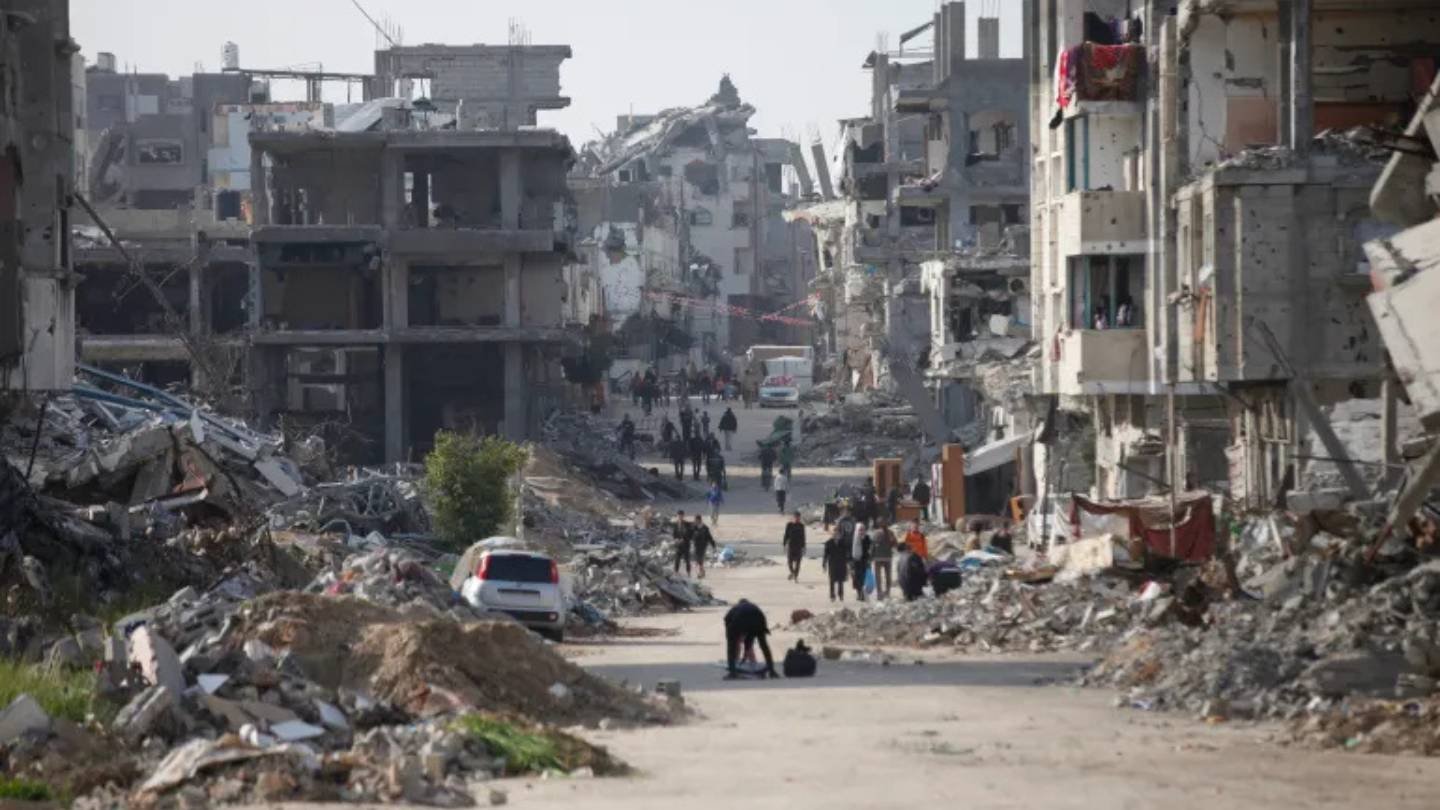
Tensions escalate as Israel intensifies its blockade on the Gaza Strip, coinciding with Hamas signaling its firm rejection of the Trump peace plan. The already-fragile humanitarian situation in Gaza faces further strain amid tightened restrictions on the movement of people and goods. International observers express growing concern over the potential for a humanitarian crisis to deepen, impacting the civilian population already struggling with limited access to essential resources.
The increased security measures implemented by Israel are reportedly a response to recent escalations in militant activity originating from the Gaza Strip. The Israeli government maintains that the blockade is necessary to prevent the flow of weapons and materials used for hostile purposes into Gaza. However, critics argue that the collective punishment of the entire Gazan population is disproportionate and violates international law.
Hamas’ Rejection of the Peace Plan
Hamas’s rejection of the Trump peace plan further complicates the already-complex geopolitical landscape. The group views the plan as biased in favor of Israel and detrimental to Palestinian aspirations for statehood. Key points of contention include the proposed borders, the status of Jerusalem, and the issue of Palestinian refugees. The rejection underscores the deep divide between the Israeli and Palestinian positions, making any prospect of a negotiated settlement appear increasingly remote. The peace plan, unveiled with significant fanfare, aimed to resolve the decades-long conflict, but has faced widespread criticism from the Palestinian side and several international actors.
The current situation exacerbates the ongoing challenges facing the people of Gaza. Limited access to clean water, electricity, and healthcare has created a precarious environment. The tightened siege will further restrict the flow of essential supplies, potentially leading to shortages of food, medicine, and fuel. Humanitarian organizations are struggling to provide adequate assistance to the affected population, facing logistical and political hurdles in their efforts to alleviate suffering.
International efforts to mediate a ceasefire and de-escalate the situation are ongoing. Various diplomatic channels are being explored to encourage both sides to exercise restraint and return to the negotiating table. However, the deep-seated mistrust and the absence of meaningful dialogue continue to pose significant obstacles to any lasting resolution. The international community is urging both Israel and Hamas to prioritize the well-being of civilians and avoid actions that could further inflame tensions and undermine the prospects for peace. The long-term implications of the ongoing crisis remain uncertain, but the immediate priority is to address the humanitarian needs of the Gazan population and prevent a further deterioration of the situation.
Image Source: Google | Image Credit: Respective Owner