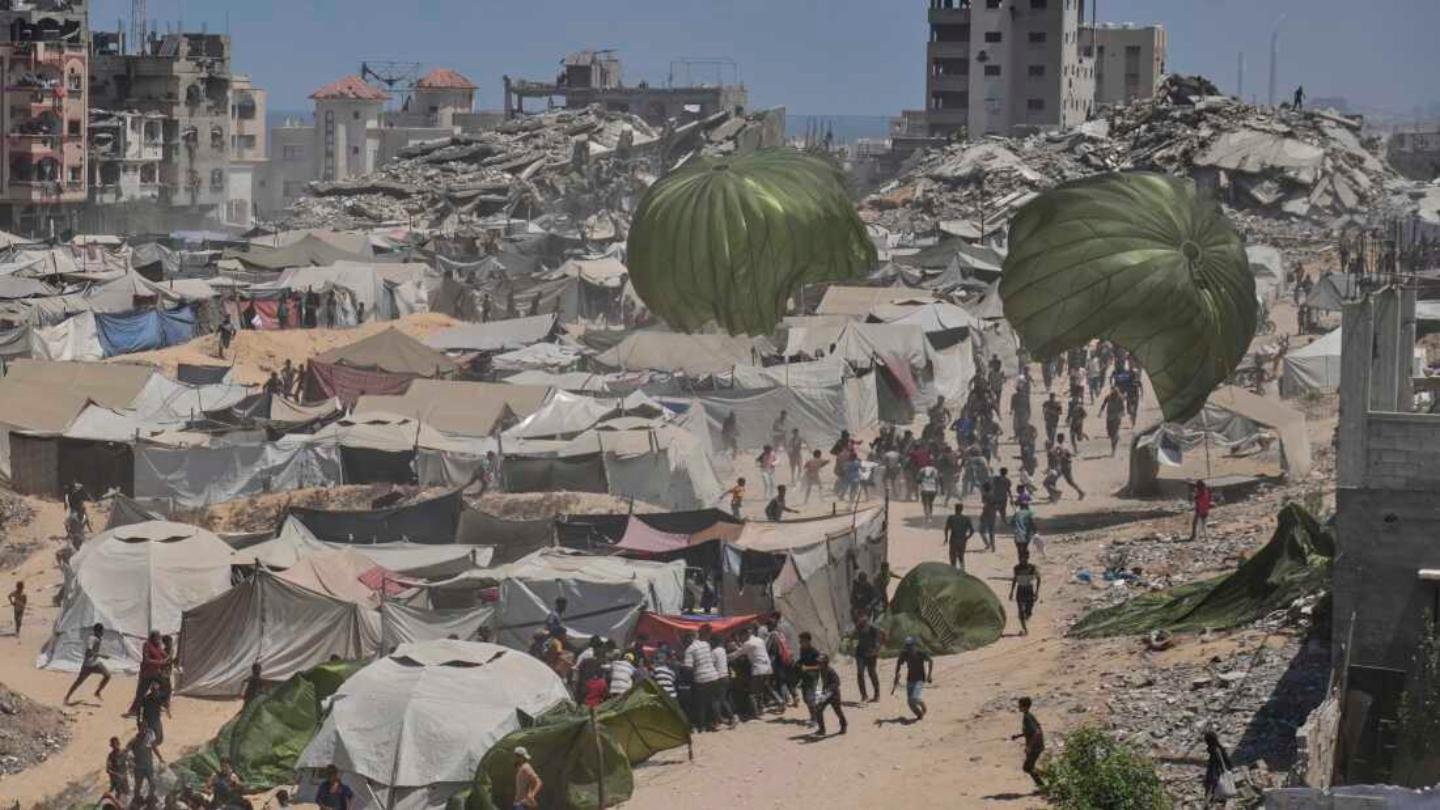
Amid rising tensions in Gaza, Israel has announced a plan to take control of Gaza City, the largest urban area in the enclave. This move, which aims to further weaken Hamas’ hold on the region, has raised both local and international concerns. Here’s a breakdown of the key points surrounding Israel’s decision.
1. What Exactly Has Israel Announced?
Israel’s security cabinet has approved a plan for the Israel Defense Forces (IDF) to prepare for the takeover of Gaza City. Prime Minister Benjamin Netanyahu has emphasized that the aim is to remove Hamas from the region, secure the release of hostages, and restore order. Speaking to Fox News, Netanyahu confirmed that Israel intends to liberate both the people of Gaza and Israel from the “terror” of Hamas.
2. Why Gaza City and Not All of Gaza?
While Netanyahu initially spoke of controlling the entire Gaza Strip, the current plan targets only Gaza City. This could mark the first phase of a broader strategy. Israel claims it controls about 75% of Gaza, with UN reports indicating that 86% of the region is either militarized or under evacuation orders.
3. What Are the Stated Goals of the Plan?
The plan’s objectives are outlined in five main principles:
- Disarm Hamas
- Return all hostages, both living and deceased
- Demilitarize Gaza
- Maintain Israeli security control
- Establish a civilian administration free of Hamas or the Palestinian Authority
4. When Will the Takeover Happen?
The Israeli government has not set a specific date for the military action. Media reports suggest that the military will not immediately move in and that residents will be instructed to leave first. While a more limited plan had been presented earlier, Israel believes it would not lead to the defeat of Hamas or the return of hostages.
5. What Will Happen After the Takeover?
Netanyahu has stated that Israel does not intend to govern Gaza long-term. Instead, Israel plans to hand over control to “Arab forces” while maintaining a security perimeter around Gaza. However, countries like Jordan and Egypt have already ruled out involvement in an Israeli-led occupation.
6. How Has Hamas Responded?
Hamas has vowed to resist fiercely and accuses Netanyahu of sabotaging ceasefire talks. The militant group insists it will only release the remaining hostages if Israel agrees to a lasting ceasefire and withdraws its forces.
7. What is the Reaction Inside Israel?
Many hostage families have expressed concerns, saying the plan could lead to a catastrophic situation for both hostages and soldiers. Reports indicate that some Israeli military officials, including the IDF chief of staff, have opposed the plan, claiming that Hamas no longer poses a significant military threat.
8. What Has Been the International Reaction?
International reactions to the plan have been divided:
- UN Human Rights Chief Volker Türk warned that the plan could lead to more violence and forced displacement.
- UK Prime Minister Keir Starmer called the plan “wrong” and warned it could lead to further bloodshed.
- Saudi Arabia condemned the move as “starvation crimes,” and Egypt reiterated its rejection of Palestinian displacement.
- Jordan labeled the plan an extension of Israel’s blockade policy.
- China urged Israel to halt the operation, while European Commission President Ursula von der Leyen called for a ceasefire.
- On the other hand, US Vice President JD Vance stated that the US has no plans to recognize a Palestinian state.
9. How Many People Are in Gaza City Now?
Gaza City, which had a population of around 700,000 before the conflict, is currently home to many displaced people from across Gaza. Some residents returned during earlier ceasefires, while many others remain in the city amid ongoing conflict.
10. What is the Humanitarian Situation in Gaza?
The humanitarian situation in Gaza has worsened, with over 61,000 casualties reported since the war began, nearly half of them children. Starvation and lack of food are major concerns, with aid agencies and UN officials warning that hunger is spreading rapidly. While Israel denies the existence of famine, the situation remains dire for the civilian population.
This situation continues to evolve, and the international community remains divided over the appropriate course of action. As Israel moves forward with its plan, the coming days and weeks will likely reveal whether this strategy will bring lasting security or escalate the ongoing conflict further.
Image Source: Google Images
Image Credit: Respective Owner