Decades after the 1979 revolution that ousted the Shah, Iran finds itself once again at a crossroads, gripped by widespread protests echoing the sentiments of that earlier uprising. The current unrest, sparked by the death of Mahsa Amini in September 2022, shares striking parallels with the events that led to the fall of the Pahlavi dynasty, raising questions about whether Iran is destined to repeat its history.
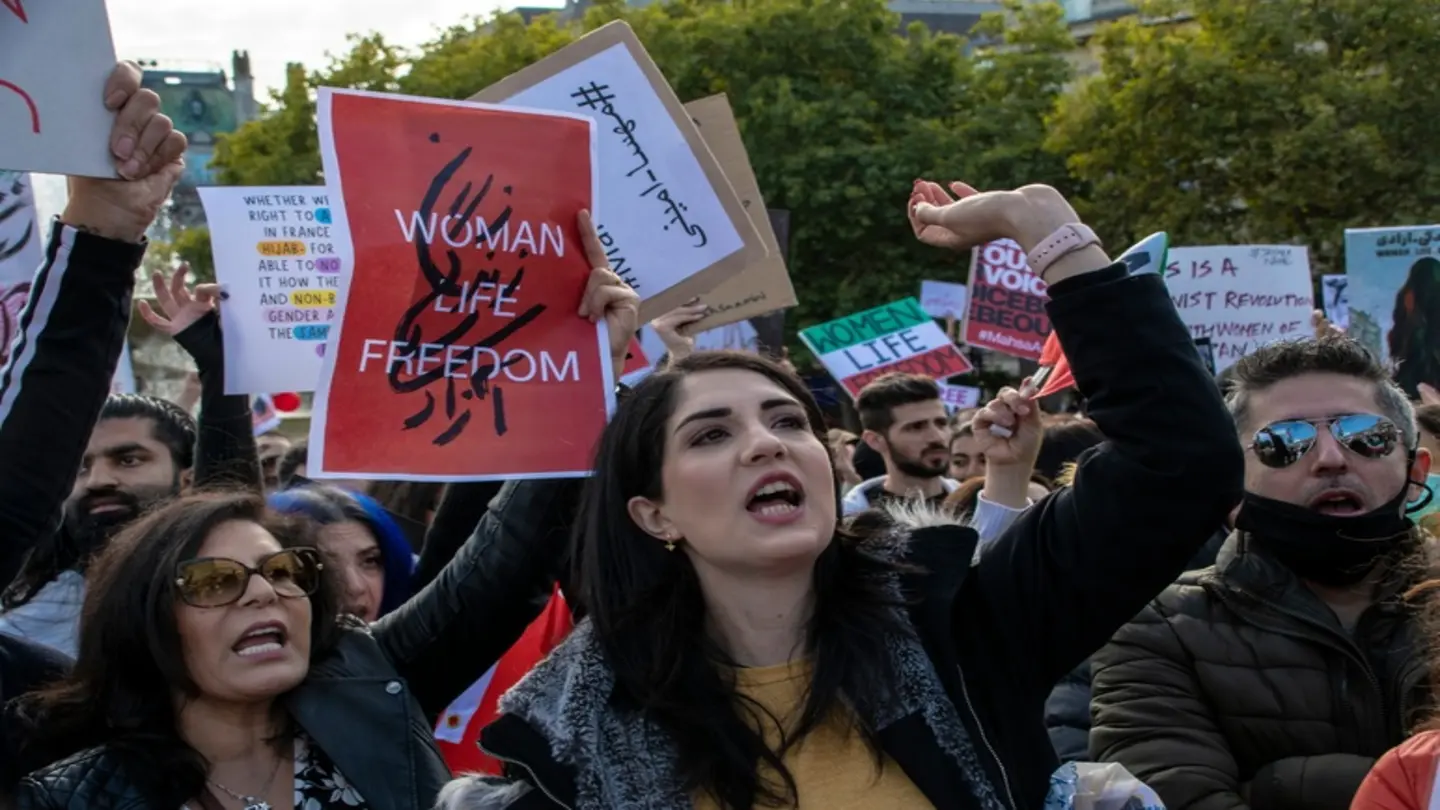
The 1979 revolution was fueled by a confluence of factors: economic inequality, political repression, and a desire for a more just and Islamic society. Similarly, today’s protests are driven by economic hardship exacerbated by international sanctions, restrictions on personal freedoms – particularly for women – and a deep-seated frustration with the ruling clerical establishment. The slogan “Woman, Life, Freedom” encapsulates the core demands of the current movement, mirroring the calls for dignity and self-determination that resonated during the previous revolution.
However, significant differences also exist. The 1979 revolution was led by a charismatic religious leader, Ayatollah Ruhollah Khomeini, who provided a clear ideological framework and unified opposition. Today, the protest movement is more fragmented, lacking a single, identifiable leader. It is a diverse coalition of students, workers, and ordinary citizens, united by their opposition to the regime but divided on the path forward. This lack of centralized leadership presents both a challenge and an opportunity; it makes the movement more resilient to suppression, but also more difficult to articulate a coherent political agenda.
Echoes of the Past
The Shah’s regime, like the current Islamic Republic, faced accusations of authoritarianism, corruption, and a disconnect from the needs of the Iranian people. Both regimes relied heavily on security forces to quell dissent, resulting in violent crackdowns on protesters. The use of lethal force against demonstrators today evokes memories of the bloodshed that characterized the final days of the Shah’s rule. The internet shutdowns and restrictions on media access are also reminiscent of the tactics employed by the Pahlavi dynasty to control the narrative and suppress information.
Despite the similarities, the geopolitical context has changed dramatically. In 1979, the Cold War was raging, and the United States was a key player in the region. Today, the situation is far more complex, with multiple regional and international actors vying for influence. The potential for escalation and external intervention is higher than ever. The ongoing negotiations over Iran’s nuclear program add another layer of complexity to the situation, as the outcome of these talks could have significant implications for the future of the protest movement.
The current protests represent a profound challenge to the legitimacy of the Islamic Republic. Whether they will succeed in bringing about fundamental change remains to be seen. The regime has demonstrated a willingness to use force to suppress dissent, and the protests are likely to continue for some time. However, the underlying grievances that fuel the unrest are deeply rooted, and it is unlikely that they will simply disappear. Iran is, once again, grappling with its identity and its future, a struggle that could define the region for decades to come. The question isn’t just about ‘death to dictatorship’, but what will rise from the ashes.
Image Source: Google | Image Credit: Respective Owner