The Strait of Hormuz, a narrow waterway connecting the Persian Gulf to the Gulf of Oman, has once again emerged as a focal point of geopolitical tension. Iran’s strategic use of this vital chokepoint represents one of its most potent cards in its ongoing confrontation with the United States. The strait is not just a maritime passage; it is the lifeline of global energy security, through which nearly 20% of the world’s oil supply passes daily.
The Strategic Importance of Hormuz
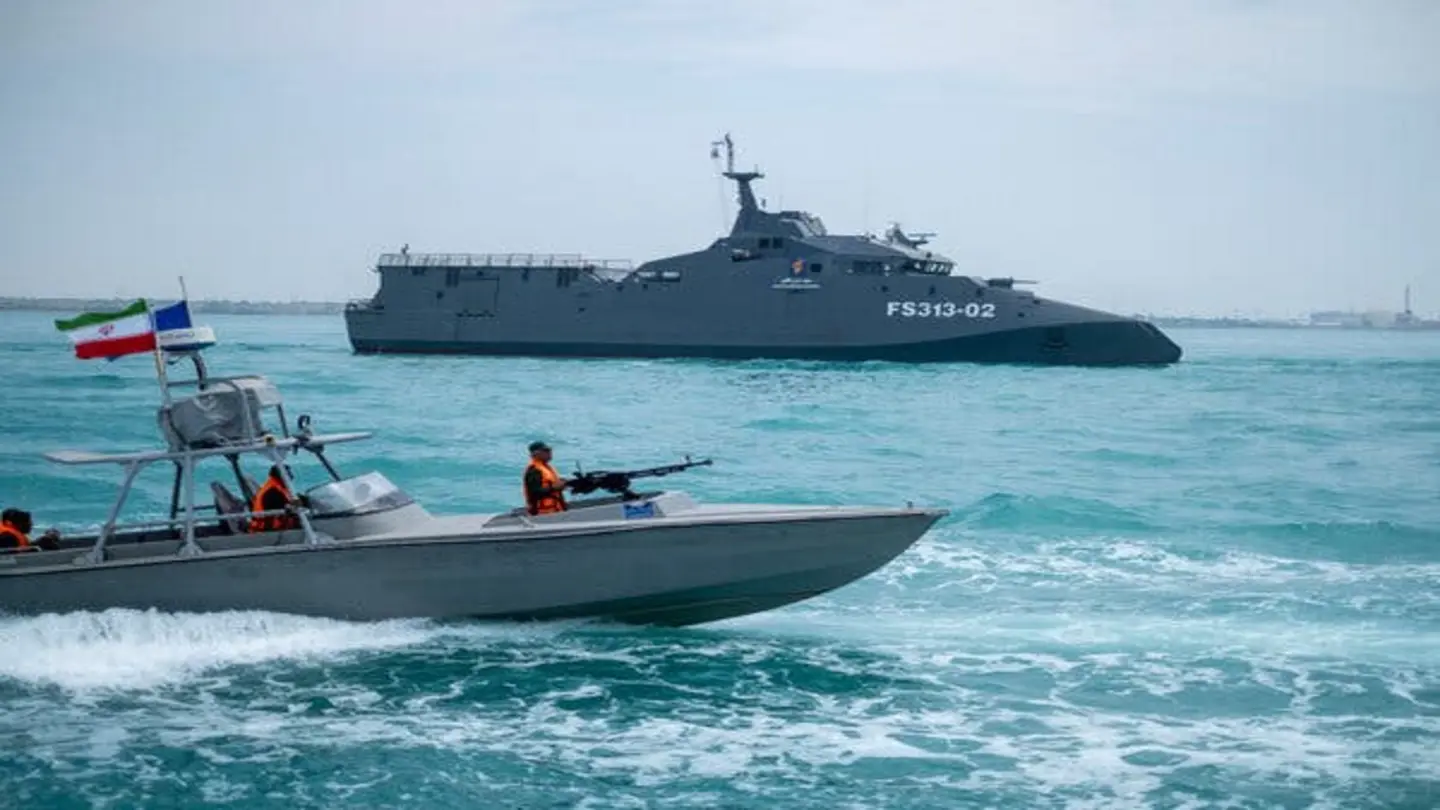
Control over the Strait of Hormuz gives Iran significant leverage in its dealings with the West. The waterway is so narrow that Iran can easily disrupt traffic using a variety of means, including naval mines, small fast-attack boats, and shore-based missile systems. This capability has been a cornerstone of Iran’s defensive strategy, particularly as it faces economic sanctions and military pressure from the United States and its allies.
In recent years, Iran has repeatedly threatened to close the strait in response to escalating tensions. These threats are not mere rhetoric; they are backed by a well-developed asymmetric warfare doctrine that leverages Iran’s geographic advantages. The Iranian Revolutionary Guard Corps (IRGC) has conducted numerous military exercises in and around the strait, showcasing its ability to mine the waterway, deploy swarm tactics with small boats, and launch anti-ship missiles from the Iranian coastline.
US Military Presence and Iran’s Counter-Strategies
The United States maintains a significant military presence in the region, including the Fifth Fleet based in Bahrain. This fleet is tasked with ensuring the free flow of commerce through the strait and deterring Iranian aggression. However, Iran’s strategy is not to engage in a conventional naval battle, which it would likely lose, but to create enough uncertainty and risk to deter military action and influence global oil markets.
Iran’s approach is multifaceted. It includes the development of advanced missile systems capable of striking targets hundreds of kilometers away, the use of drones for surveillance and attack, and the cultivation of proxy forces in the region. These proxies, including groups in Yemen, Iraq, and Lebanon, can launch attacks that complicate US and allied responses, creating a web of potential conflicts that Iran can leverage.
The economic implications of a Hormuz closure are profound. Even a temporary disruption could send oil prices soaring, impacting global markets and economies. This economic weapon is particularly potent given the current volatility in energy markets and the ongoing recovery from the COVID-19 pandemic. Iran understands that by threatening the strait, it can exert pressure not just on the United States, but on the global economy as a whole.
Historical Context and Recent Developments
The strategic importance of Hormuz is not new. During the Iran-Iraq War in the 1980s, both countries targeted tankers in the strait, leading to a U.S.-led operation to protect shipping. More recently, tensions have flared over Iran’s nuclear program, with the US withdrawing from the Joint Comprehensive Plan of Action (JCPOA) in 2018 and reimposing sanctions. In response, Iran has gradually reduced its compliance with the nuclear deal and increased its military activities in the region.
In 2019, a series of attacks on oil tankers in the Gulf of Oman raised alarms about the security of the strait. The US blamed Iran, which denied involvement. These incidents underscored the vulnerability of the waterway and the potential for miscalculation or escalation. The situation was further complicated by the US assassination of Iranian General Qasem Soleimani in January 2020, which brought the two nations to the brink of open conflict.
Despite these tensions, both sides have so far avoided a direct military confrontation. The US has focused on building a coalition to protect shipping in the strait, while Iran has continued its diplomatic efforts to undermine international support for US sanctions. The dynamic remains fluid, with each side testing the other’s resolve and seeking to gain the upper hand.
The Broader Geopolitical Context
The Hormuz threat cannot be understood in isolation. It is part of a broader pattern of Iranian behavior aimed at asserting its influence in the Middle East and challenging US hegemony. Iran’s actions are driven by a combination of strategic necessity, domestic politics, and ideological commitment to opposing Western influence in the region.
For the United States, the challenge is to deter Iranian aggression without triggering a conflict that could destabilize the region and disrupt global energy supplies. This requires a delicate balance of military preparedness, economic pressure, and diplomatic engagement. The US has sought to strengthen its alliances with Gulf Arab states and Israel, while also exploring the possibility of returning to negotiations over Iran’s nuclear program.
The international community, particularly major energy importers like China and India, has a vested interest in maintaining the free flow of oil through Hormuz. These countries have called for restraint and dialogue, recognizing that a conflict in the strait would have severe economic consequences for them. At the same time, they are wary of being drawn into a confrontation between the US and Iran.
As the situation evolves, the Strait of Hormuz remains a critical flashpoint in the complex web of Middle Eastern geopolitics. Iran’s ability to threaten this vital waterway gives it a unique form of leverage, one that it is likely to continue to wield as long as tensions with the United States persist. For the international community, the challenge is to manage this risk while seeking a sustainable resolution to the underlying conflicts that fuel it.
The Hormuz threat is more than a military tactic; it is a symbol of Iran’s determination to resist external pressure and assert its place in the regional order. How the US and its allies respond to this challenge will have significant implications for the future of the Middle East and the global balance of power.
Image Source: Google | Image Credit: Respective Owner