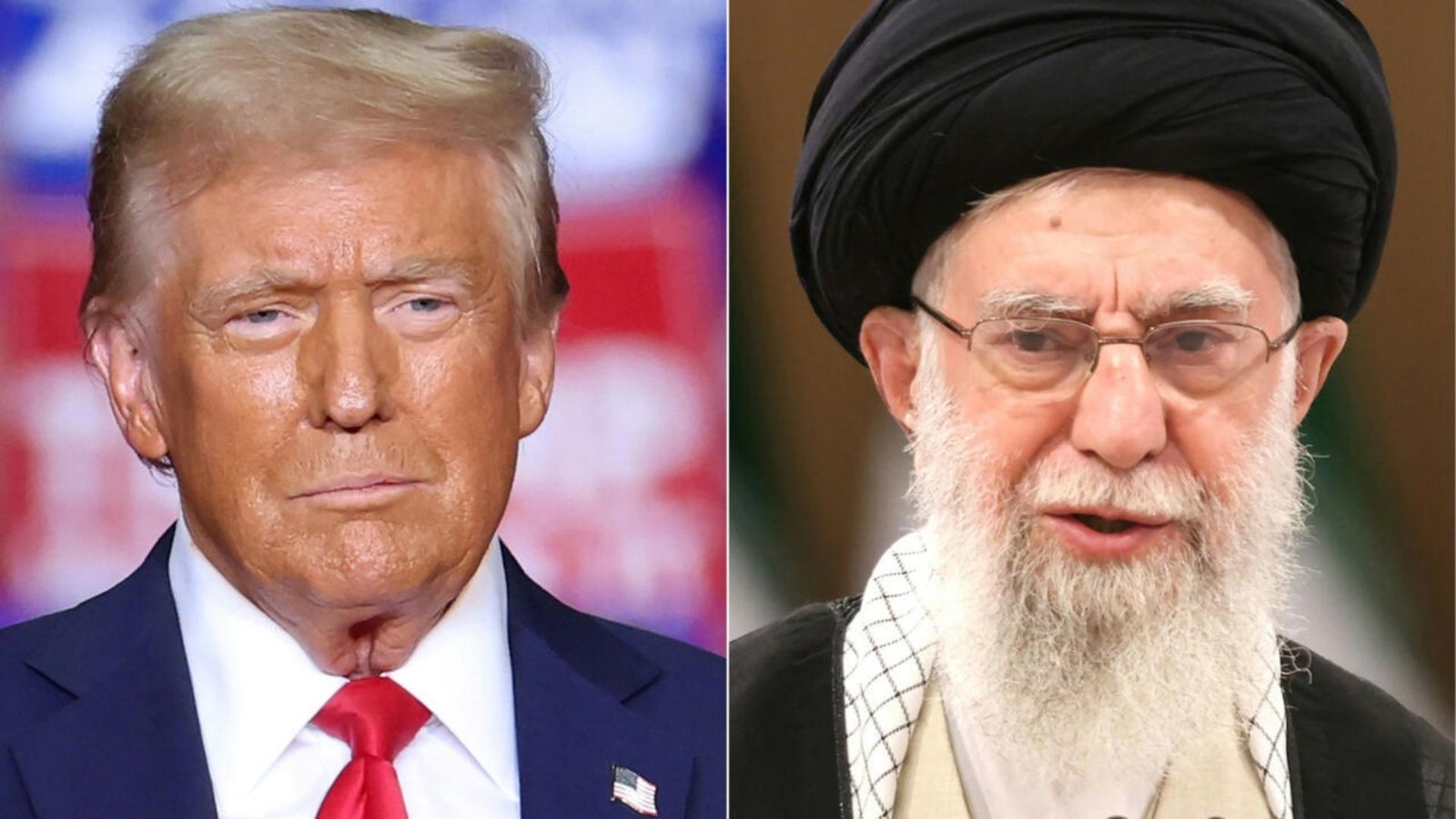
Tehran – Iranian state television has issued a stark and chilling threat against former U.S. President Donald Trump, vowing retribution for the killing of Qassem Soleimani, a top Iranian general, in a 2020 drone strike authorized by Trump. The broadcast, reported by multiple international news outlets, featured a simulated assassination of Trump, depicting scenarios of potential attacks on U.S. soil.
The threat comes amidst heightened tensions between the United States and Iran, particularly concerning Iran’s nuclear program and its regional influence. While the current U.S. administration under President Joe Biden has sought to re-engage in diplomatic talks with Iran, progress has been limited, and disagreements remain significant. The assassination threat is likely to further complicate any potential for renewed negotiations.
The televised segment reportedly showcased detailed planning for a retaliatory strike, including the use of drones and potential targets within the United States. Analysts suggest this isn’t merely rhetoric, but a demonstration of Iran’s capabilities and resolve. The timing of the threat is also noteworthy, coinciding with the anniversary of Soleimani’s death and ongoing protests within Iran.
Soleimani’s Death and Iranian Response
Qassem Soleimani, commander of Iran’s Quds Force, was killed in a U.S. airstrike near Baghdad International Airport on January 3, 2020. The attack was widely condemned by Iran as an act of aggression and a violation of international law. In response, Iran launched a barrage of ballistic missiles at Iraqi bases housing U.S. troops, though no American or Iraqi lives were lost.
The Iranian government has consistently vowed to avenge Soleimani’s death, and this latest threat represents a significant escalation in that rhetoric. Previous statements have alluded to potential attacks, but the detailed simulation broadcast on state television is unprecedented in its directness and specificity.
U.S. officials have not yet issued a formal response to the Iranian threat, but security measures surrounding Trump and other high-profile figures are expected to be reviewed and potentially enhanced. The Secret Service is likely to be on high alert, and increased vigilance is anticipated at potential targets identified in the broadcast.
The broadcast also serves as a domestic messaging tool for the Iranian government, aimed at bolstering support for the regime amidst widespread discontent and protests. By portraying a strong stance against the United States, the government hopes to deflect attention from internal challenges and rally nationalistic sentiment. The protests, sparked by economic hardship and social restrictions, represent a significant challenge to the authority of the Iranian leadership.
International observers are urging restraint from both sides, warning that any miscalculation could lead to a wider conflict in the already volatile Middle East. The situation remains highly sensitive, and the potential for escalation is a serious concern. Diplomatic efforts to de-escalate tensions and prevent further violence are considered crucial at this time.
The Iranian government’s decision to publicly threaten Trump raises questions about its long-term strategy and its willingness to engage in meaningful dialogue with the United States. The broadcast is a clear signal that Iran remains deeply aggrieved by Soleimani’s death and is prepared to take drastic measures to achieve its objectives.
Image Source: Google | Image Credit: Respective Owner