Iran Issues Stern Warning Following Trump’s Remarks
Tehran has responded forcefully to recent statements from former U.S. President Donald Trump, asserting that it is ‘on the trigger’ in response to his renewed threats against the country’s nuclear program and broader geopolitical activities. The Iranian government, through various official channels, has communicated a clear message of defiance and readiness to defend itself against any perceived aggression.
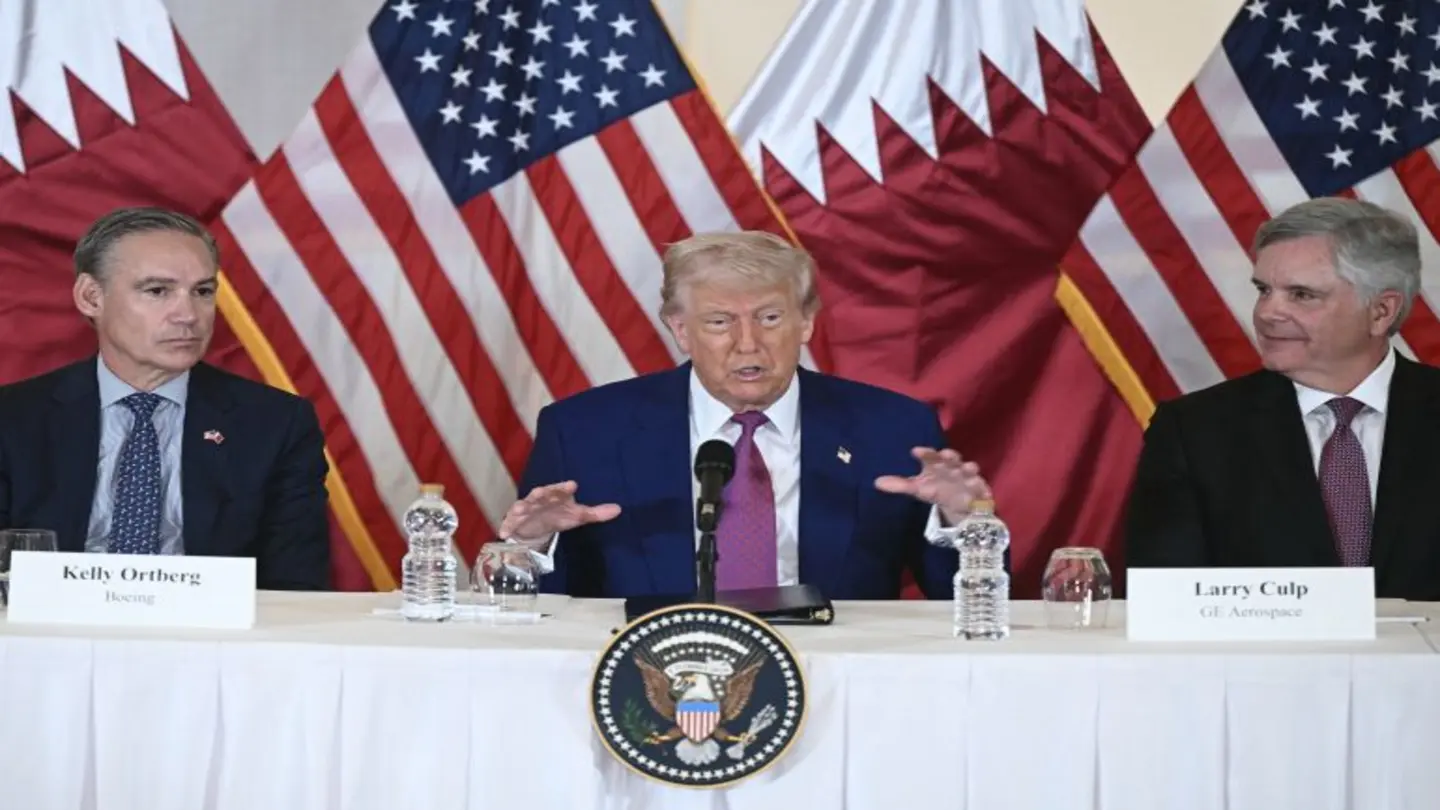
Trump’s latest warnings, delivered during a recent political rally, reiterated his long-standing criticism of the Joint Comprehensive Plan of Action (JCPOA), the 2015 nuclear deal that placed restrictions on Iran’s nuclear activities in exchange for sanctions relief. Trump has repeatedly vowed to dismantle the agreement if he were to regain office, and his comments have fueled concerns about a potential return to multilateral sanctions and a renewed escalation of tensions in the Middle East.
Iran’s response has been swift and uncompromising. Iranian officials have condemned Trump’s statements as ‘reckless’ and ‘dangerous,’ accusing him of attempting to destabilize the region and provoke a conflict. They have emphasized that Iran is committed to its nuclear program, which it maintains is solely for peaceful purposes, and that it will not be deterred from pursuing its legitimate security interests.
The Iranian Foreign Ministry issued a statement reiterating the country’s determination to uphold its commitments under the JCPOA, despite the U.S.’s withdrawal from the agreement. However, they also stressed that Iran reserves the right to respond proportionately to any hostile actions against its nuclear facilities or other strategic assets.
Regional Implications and Concerns
Analysts suggest that Iran’s response reflects a broader strategy of deterrence, aimed at discouraging the U.S. and its allies from taking actions that could undermine Iran’s security or economic stability. The ‘on the trigger’ rhetoric, while potentially provocative, also serves to signal Iran’s willingness to defend itself against perceived threats.
The situation raises significant concerns about the future of the JCPOA and the broader prospects for diplomacy in the Middle East. The U.S.’s renewed pressure on Iran is likely to further complicate the region’s already volatile security landscape. Many fear that a return to sanctions and heightened tensions could lead to a wider conflict.
Furthermore, Iran’s actions are being closely monitored by regional powers, including Saudi Arabia and Israel, who share concerns about Iran’s nuclear ambitions and its regional influence. The potential for escalation remains a significant risk, and diplomatic efforts to de-escalate tensions are urgently needed.
The current developments underscore the ongoing challenges of managing the relationship between Iran and the United States, and the importance of finding a path towards a more stable and predictable regional order. The international community is grappling with how to address Iran’s nuclear program while also preventing a wider conflict.
Ultimately, the future trajectory of this situation will depend on the decisions made by both Iran and the United States, as well as the broader dynamics of the Middle East.
Image Source: Google | Image Credit: Respective Owner